


This year's Milan design week will likely be dominated once again by fancy stuff for rich people but there are still gems to be found if you look hard enough, writes Max Fraser.
For longer than anyone can remember, Milan's design week has prevailed as the most important moment in the global design calendar. Next week, the city will once again come alive with international visitors sampling hundreds of events, exhibitions and installations across Italy's design capital, in search of the latest products, talents and trends.
If you're a seasoned visitor, you'll have developed your own way of best prioritising your time amid a sea of exhibitions. And if it's your first visit, you'd be forgiven for feeling overwhelmed by the enormity of shows to visit in such a short period of time. Having attended almost every edition since 2000, I'd put myself firmly in the first category.
It increasingly feels crude for companies to champion shiny new luxury objects
In my debut year working as a nascent freelance journalist, the event was very much a commercial fiesta of furniture focused on the Salone del Mobile trade fair, which was located in vast halls not far from the city centre. I had never seen so many chairs in one place.
There were some more experimental exhibitions in unusual locations around the city, but they were a bonus to the offerings at the fair. Yet today, with so much going on around the city, some people feel no need to attend the fair at all.
In a time before Google Maps or social media, I remember navigating Zona Tortona at night with only an address and paper map to hand, in search of a rumoured party by Italian stalwart brand Cappellini. The streets were deserted and felt foreboding. Today, those same streets are closed to traffic and you can hardly move for the hoards of design revellers.
The phenomenon of Milan design week has been evolving for decades. Salone del Mobile began in 1961 as a showcase for Italian furniture at a time when the sector was proving to be an important contributor to the country's post-war economic recovery.
Back then, furniture was the dominant cultural and commercial force among design disciplines. Today, the backbone of the event is still furniture and the wider realm of interior products.
But at a time of growing instability amid geo-political and climatic turmoil, it increasingly feels crude for companies to champion shiny new luxury objects on pedestals. However, few will say that out loud.
There is no shortage of other industries wanting to cash in on the event's magnetism
It still feels like the vast majority of companies are marching forward with a business-as-usual approach, troubled instead by the immediate impact of rising energy, material and labour costs, and sluggish market conditions under the shadow of war.
Yet plodding around crowded, airless spaces gawping at enormous sofas, lengthy dining tables, intricate chandeliers and sleek kitchens, you would be led to believe that this industry is somehow shielded from these problems.
To my surprise every year, the industry is forever pandering to those who "have". Can this extraordinary proliferation of fancy stuff for rich people continue forever? It would seem so, and I suspect this year will be no exception.
For now, there is no shortage of other industries wanting to cash in on the event's magnetism; fashion, lifestyle, tech and car brands are ever-eager to feed off the seemingly endless supply of curious and influential individuals descending on the city. If Milan design week has always had furniture at its core, now it is joined by a whole load of noise from these adjacent industries.
Each year, budgets swell as the quest to shout the loudest becomes an imperative to success. Marketing hyperbole triggers queues of expectant visitors, with the resulting shows often little more than sleek displays of brand puffery.
For years now, such shows generally leave me wondering why the brand behind it is expending so much money, material and time on this hot air. It increasingly feels so very out of touch with the urgency of our age.
This contrast between the big and brash and small and modest is very pronounced
Yes, these installations may provide some moments of joy and escapism from the sombre news of today, but I would nevertheless encourage you to carefully consider what you spend your time visiting; the trap of queues, data capture and marketing messages has become a tiresome distraction.
And just when one's cynicism is about to overflow, Milan will always deliver surprises. The beauty of Milan design week is that you can inadvertently stumble upon a refreshing display of concepts or products by an energetic group of new designers.
Furthermore, in recent years, there have been pockets of designers as well as established institutions making more noise about design's role in both contributing to yet potentially aiding the crises of today. Their presentations are often underwritten with uplifting messages of environmental, political and social change.
Executed with a modest budget, these shows are usually imbued with a spirit of experimentation and optimism that acts as a reminder of why you may have originally been drawn to this industry.
Understandably, amid the noise, these designers want to be noticed by the critical mass of international visitors to Milan. And yet, it can feel futile to compete with the predictable roster of established designers, as well as contend with the growing expense of venues and accommodation.
Indeed, this contrast between the big and brash and small and modest is very pronounced today. On the assumption that the former is again stealing the attention this year, I would urge you to purposefully seek out the latter; the burgeoning voices of our industry have the power to positively change the narrative and, as the world order continues to shift, it's up to all of us to champion that movement.
Max Fraser is editorial director of Dezeen. This article was originally written for the Dezeen Dispatch magazine at Milan design week 2026. Read an online version of the magazine here.
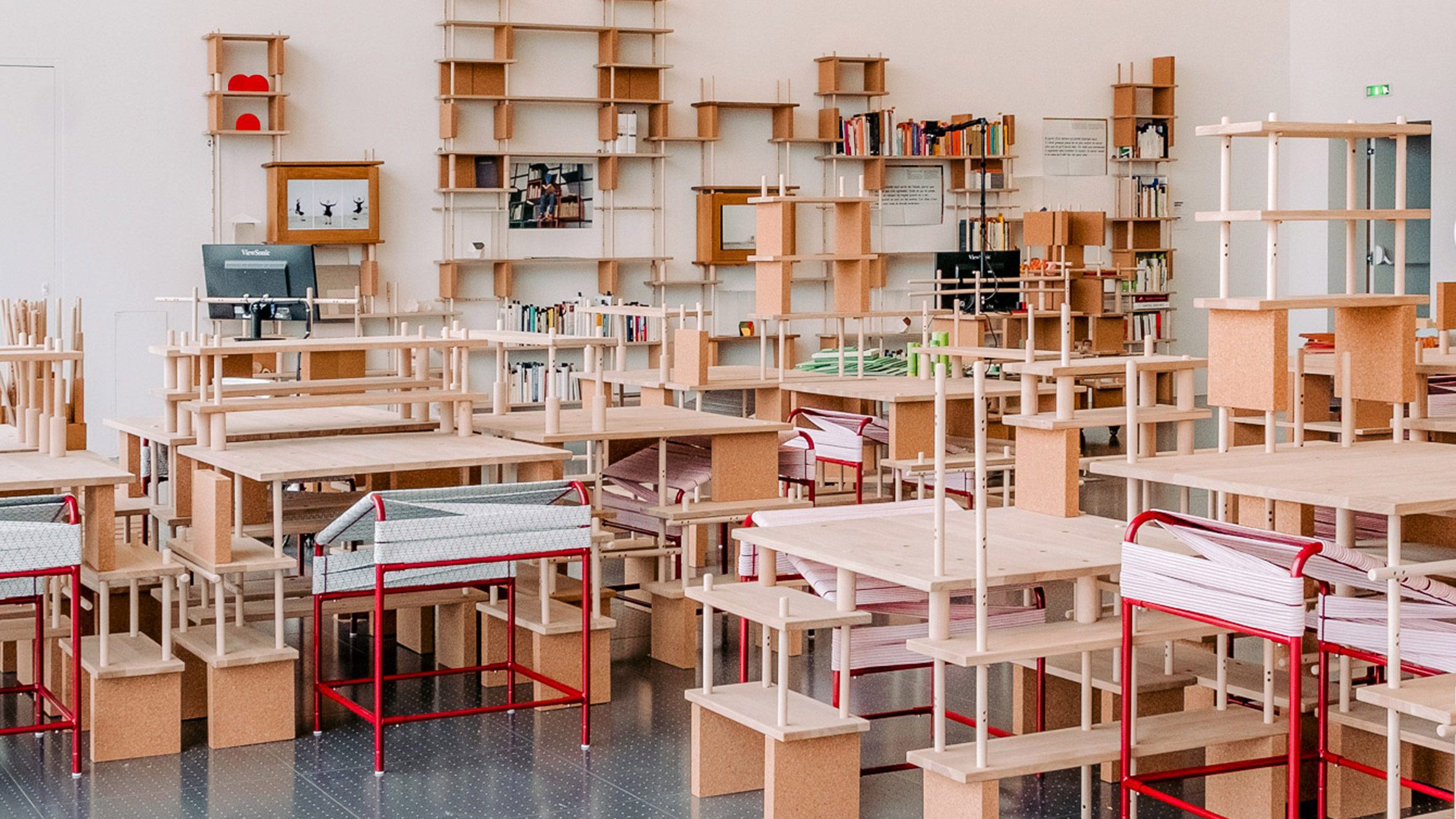
The photo, of Base Milano, Milan design week's home for emerging and experimental design, is by Smarin Studio.
Dezeen In Depth
If you enjoy reading Dezeen's interviews, opinions and features, subscribe to Dezeen In Depth. Sent on the last Friday of each month, this newsletter provides a single place to read about the design and architecture stories behind the headlines.