Historic windmill and engine house transformed into Quentin Blake Centre for Illustration

UK studio Tim Ronalds Architects has converted a series of 17th- and 18th-century buildings in Clerkenwell, London, into the Quentin Blake Centre for Illustration.
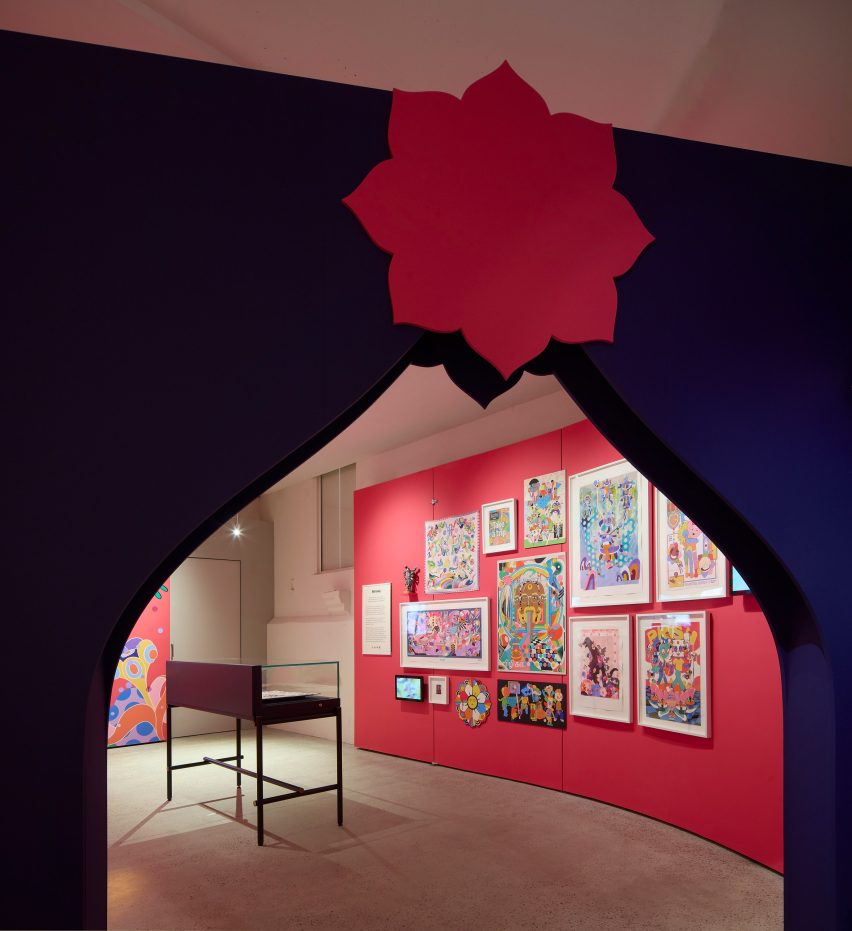
Set to open to the public tomorrow, the Quentin Centre for Illustration claims to be the “world’s biggest public space for illustration”.
The museum dedicated to illustration, which previously operated as the House of Illustration in King’s Cross, now occupies a site with a long history of providing drinking water to London residents.
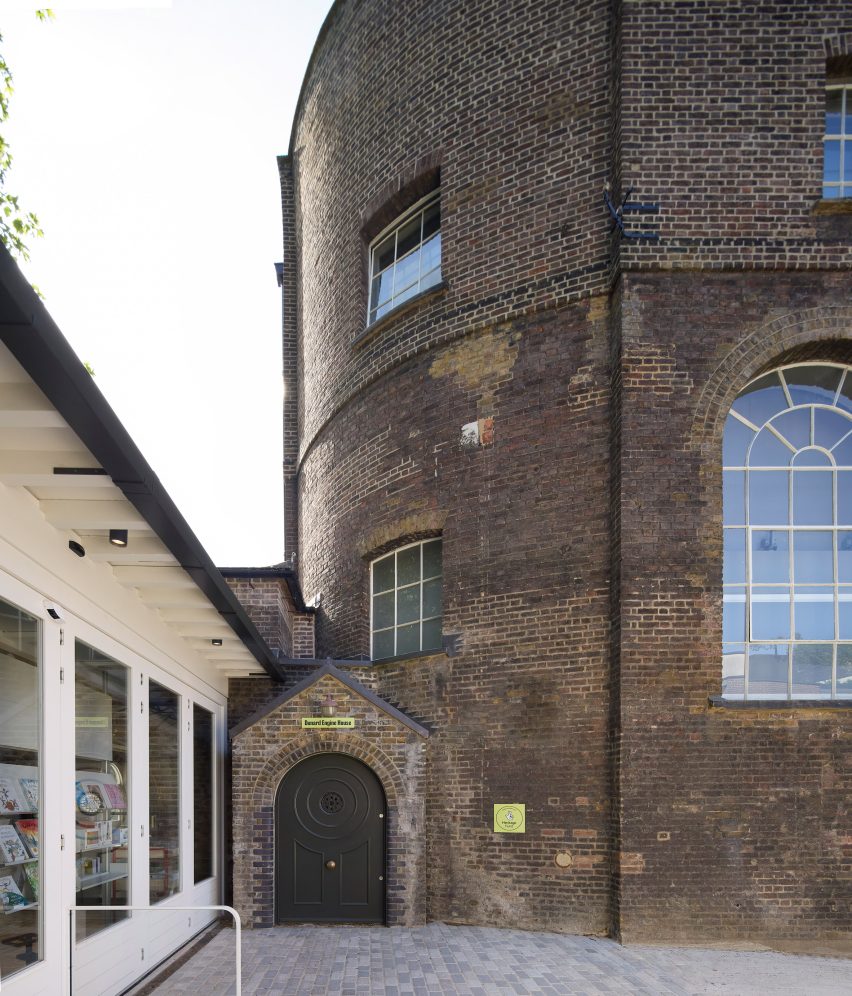
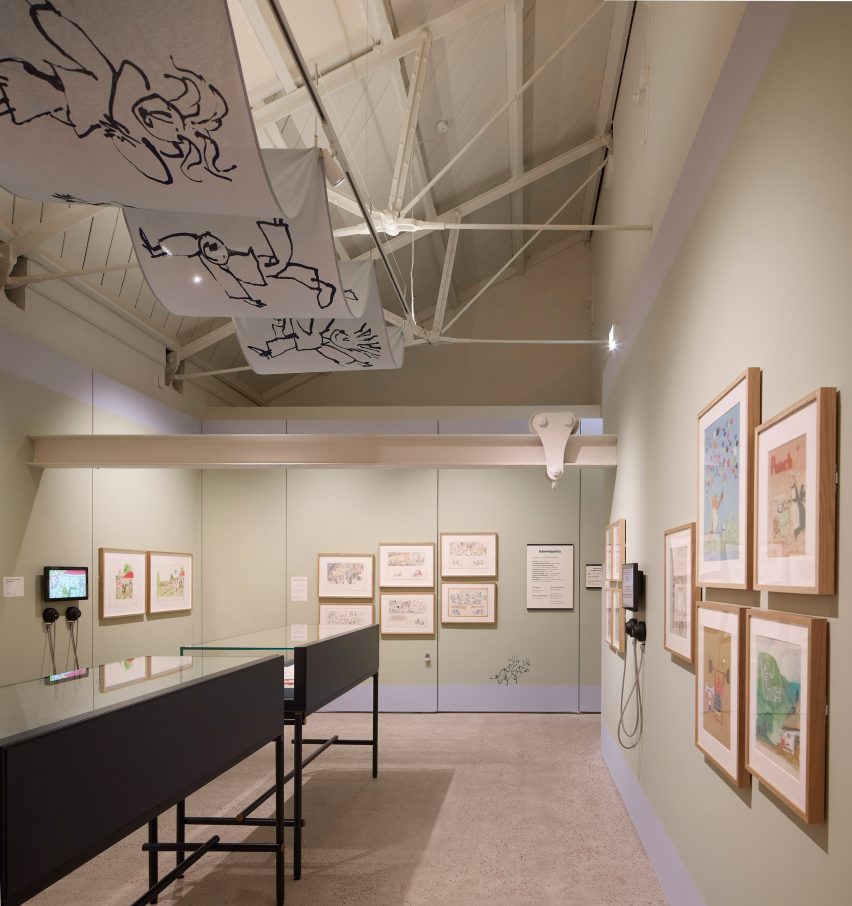
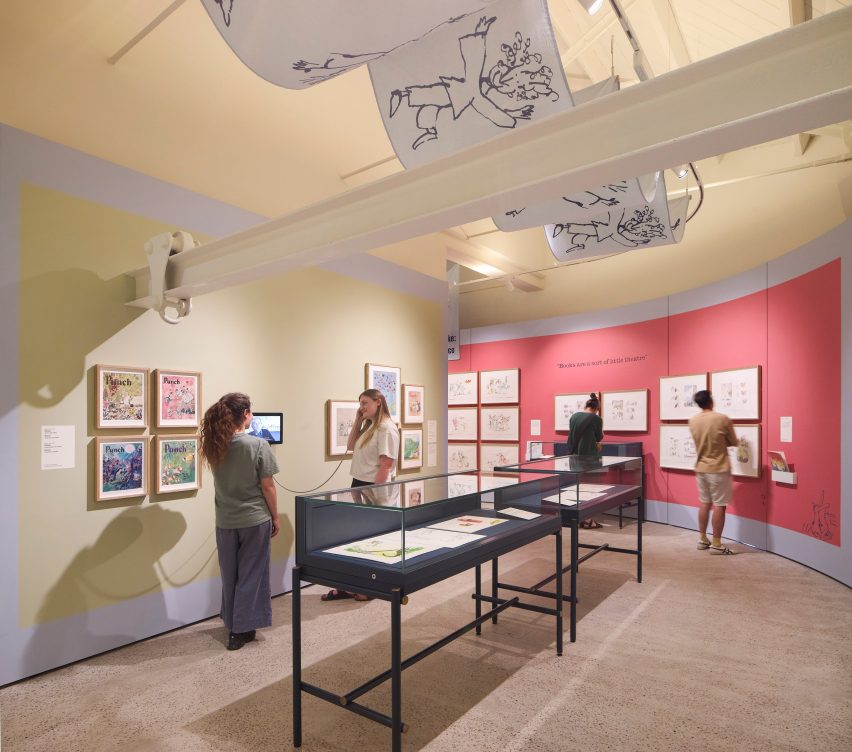
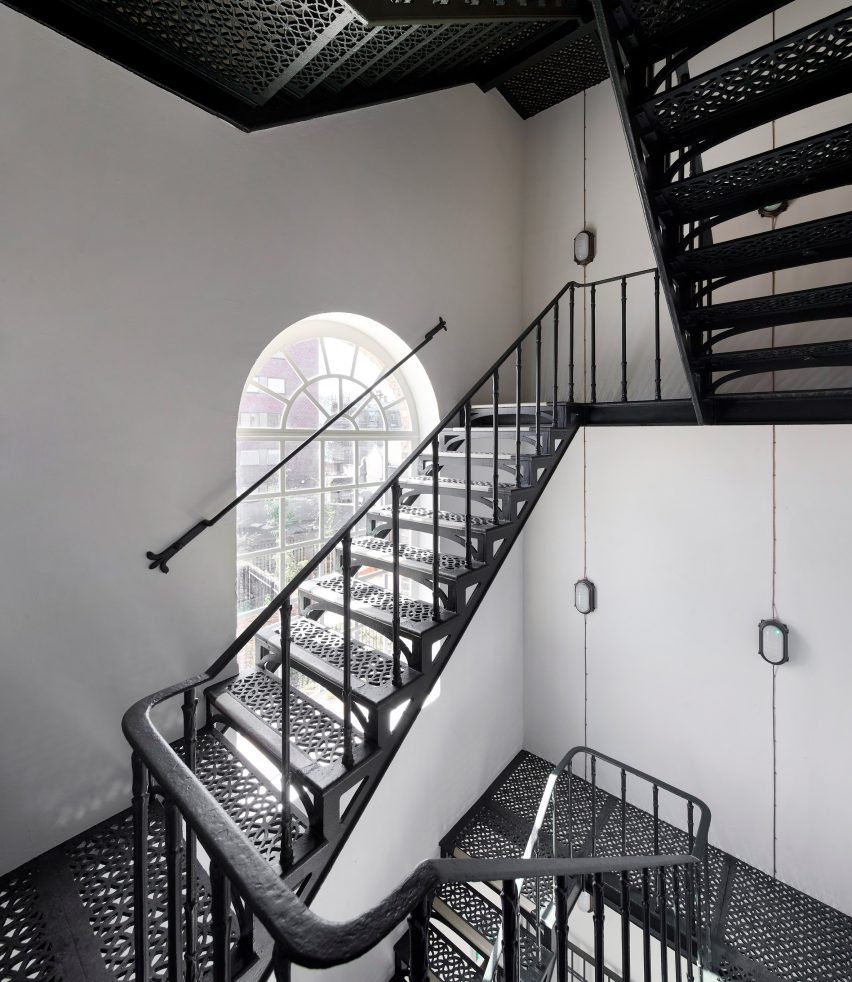
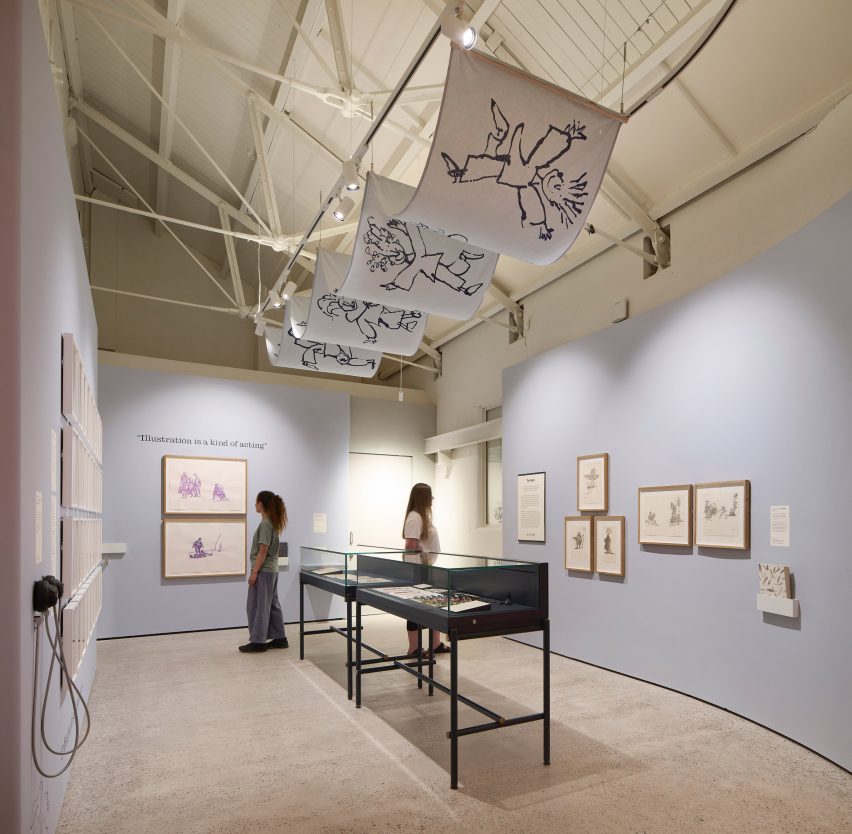
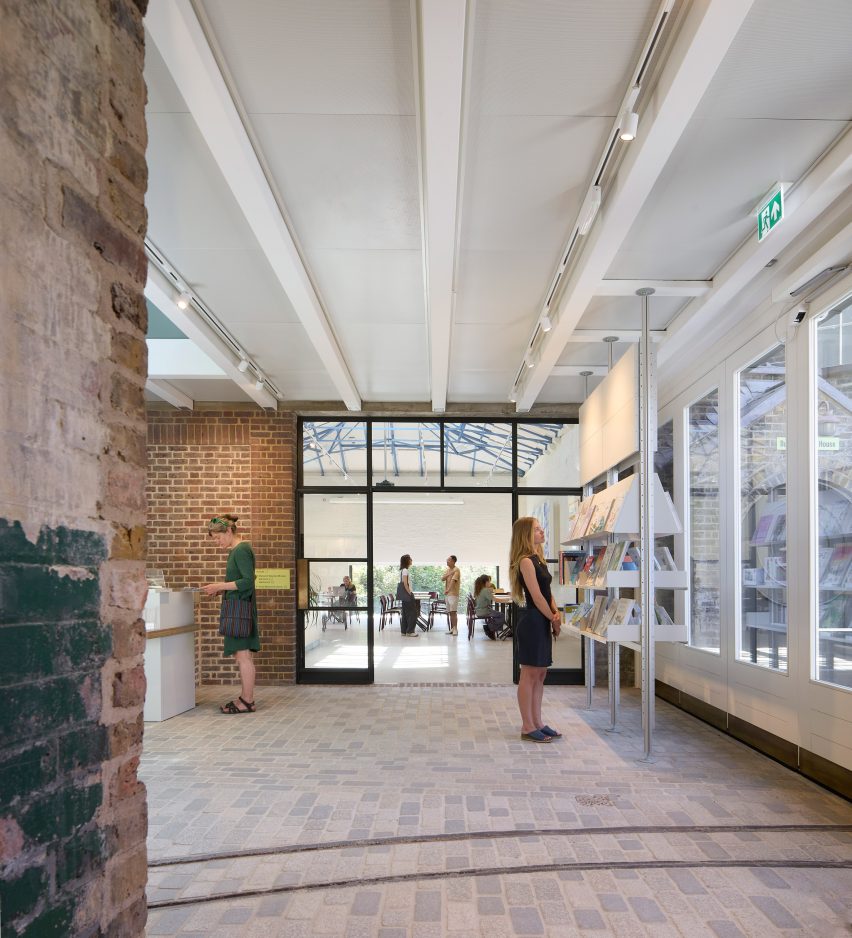
Tim Ronalds Architects converted the cluster of Grade II-listed buildings into gallery spaces with the aim of retaining as much of the historic fabric and atmosphere as possible.
“Our idea from the beginning was to leave the historic buildings as intact as possible inside and out – more difficult than it sounds,” said the studio.
“We wanted the buildings to feel that they were occupied as ‘found space’ by the art of illustration.”
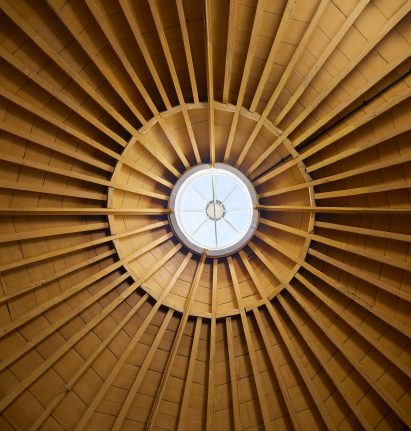
The site, known as New River Head, was once the end of an artificial river created in the early 1600s to channel drinking water into London.
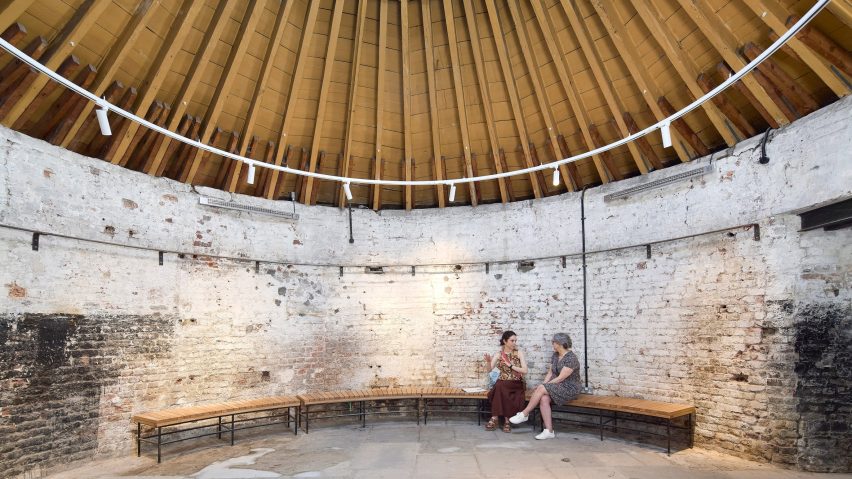
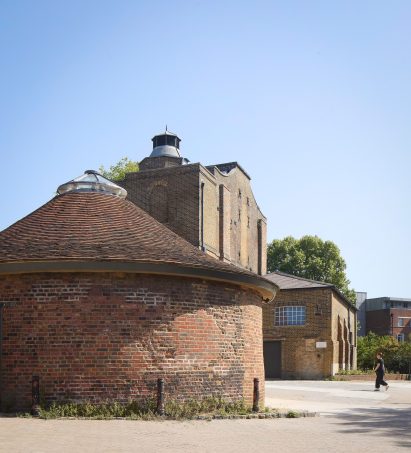
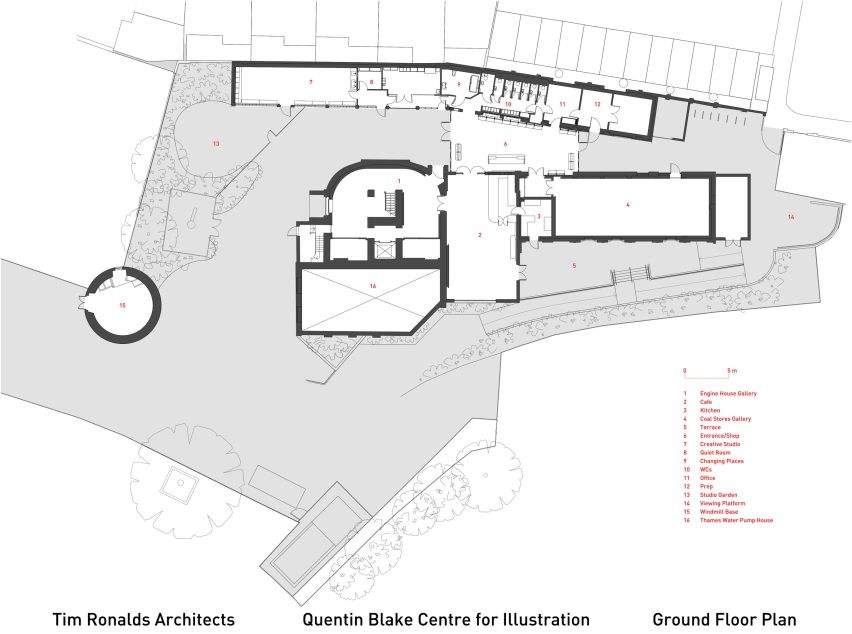
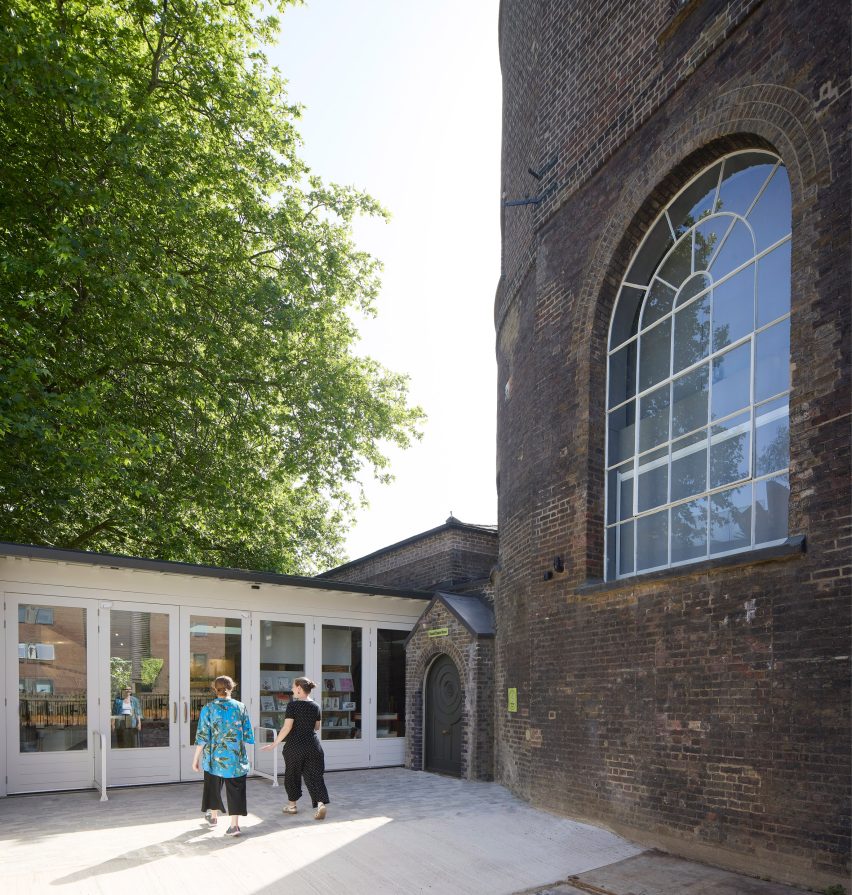
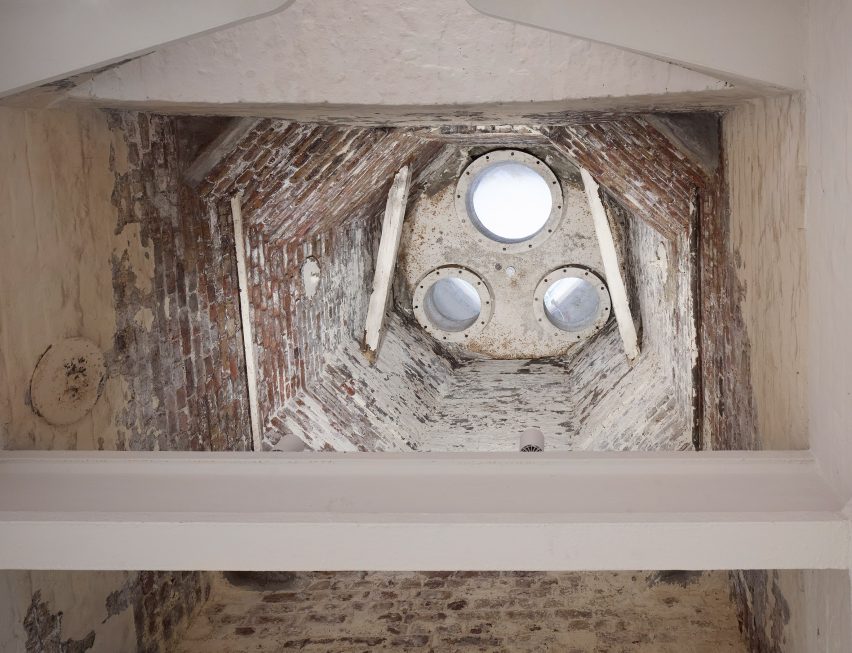
Many of the structures on the site were created as part of the endeavour to pump this water to people’s houses. The oldest of these was the base of a windmill dating back to 1707, which stands at the entrance to the museum’s site and has been converted into a gallery space for temporary exhibitions.
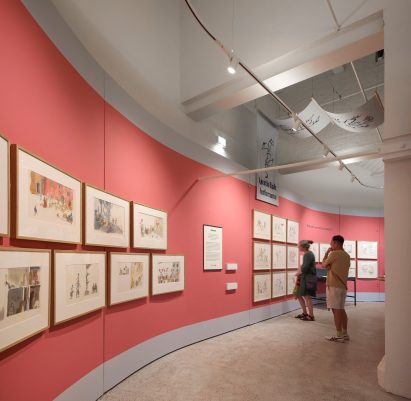
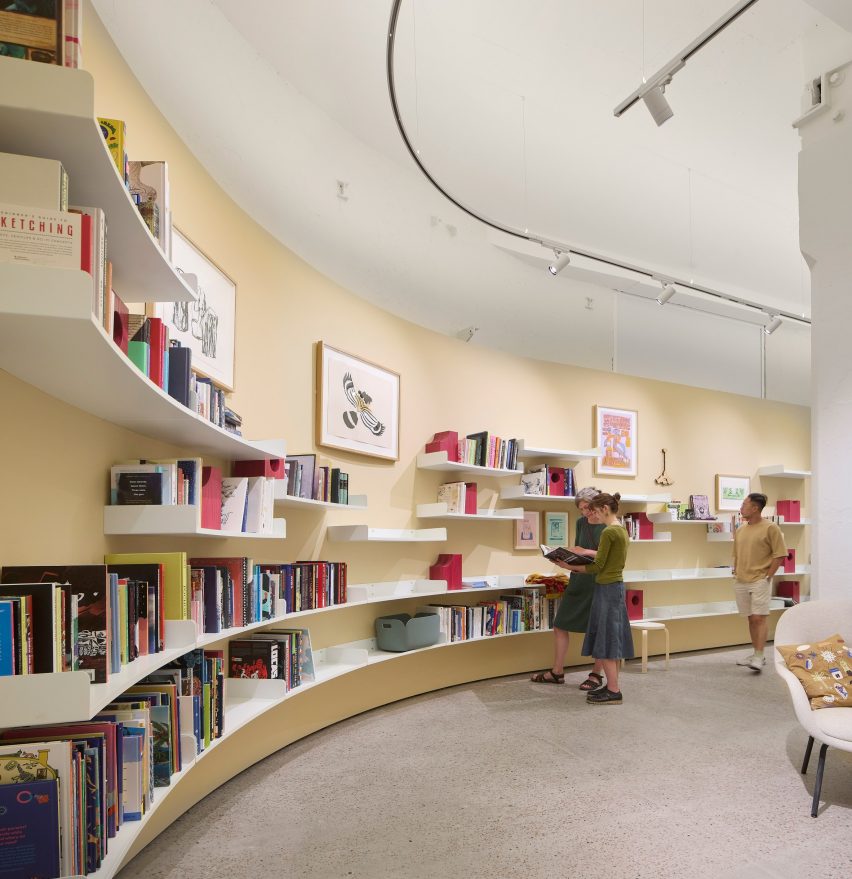
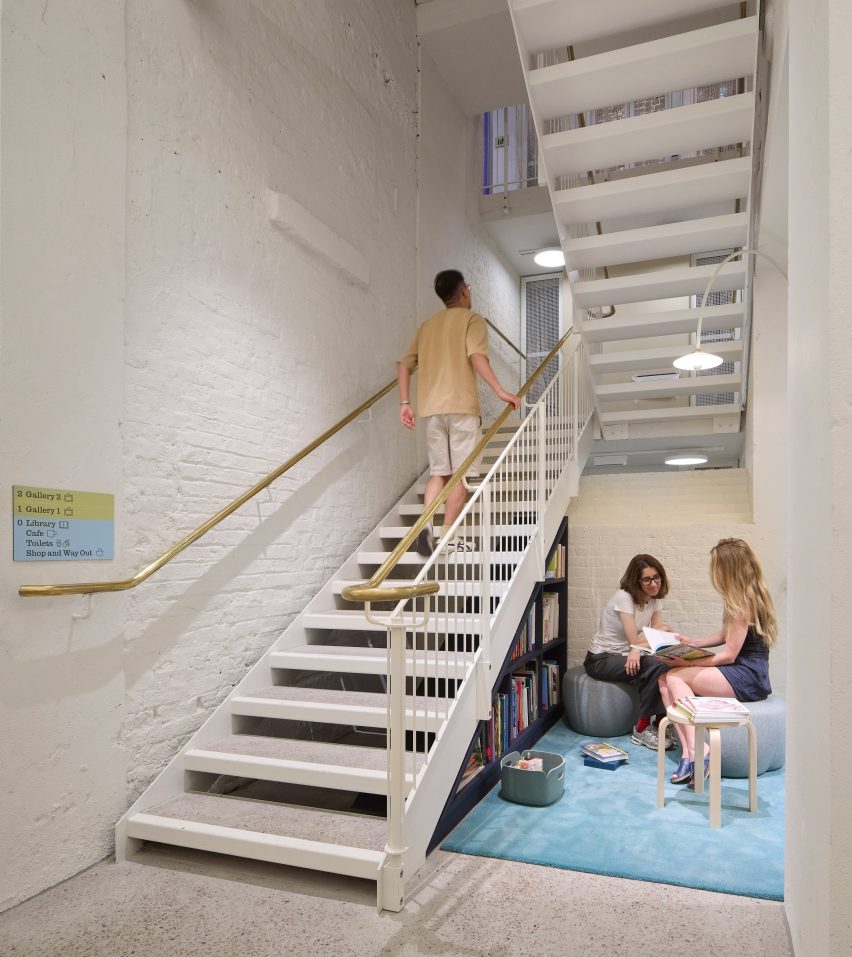
Part of the engine house, which contained a steam engine that replaced the windmill powering the water pumps, was also converted into a gallery space with a library.
As the site is a working water pumping station, a large part of the building was retained by water company Thames Water.
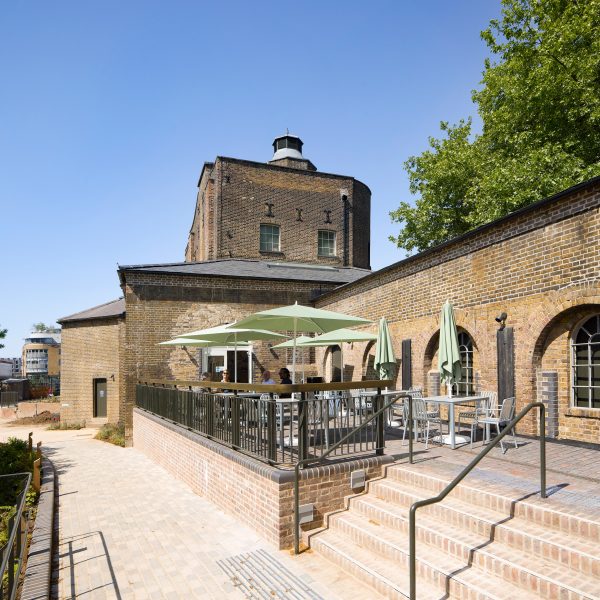
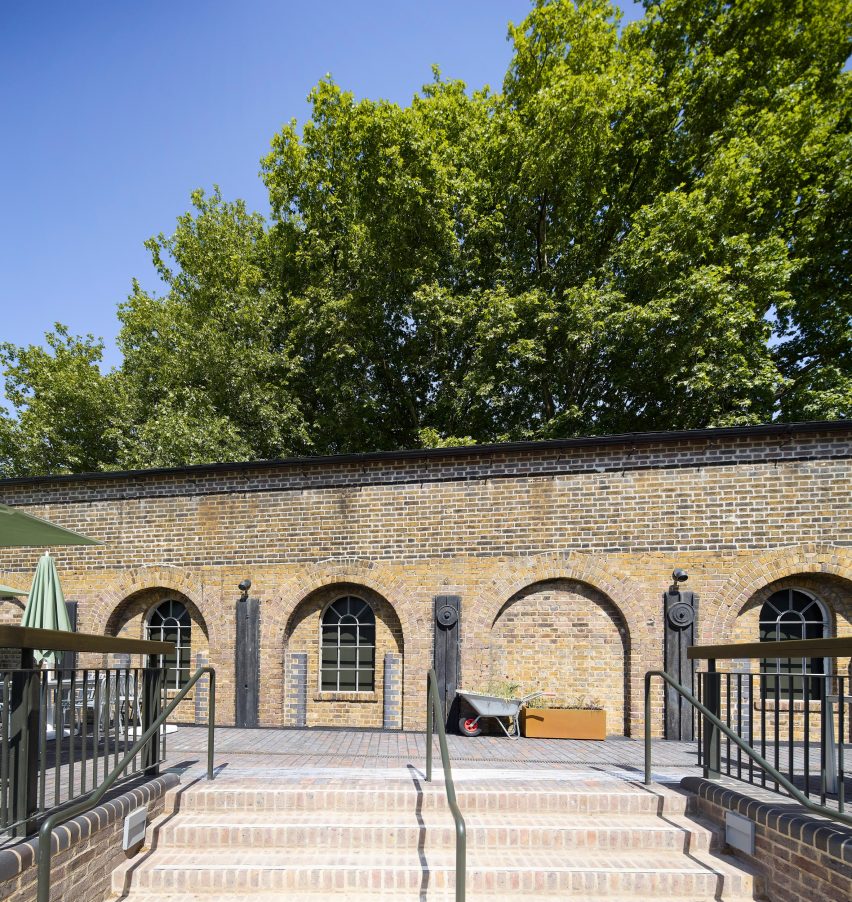
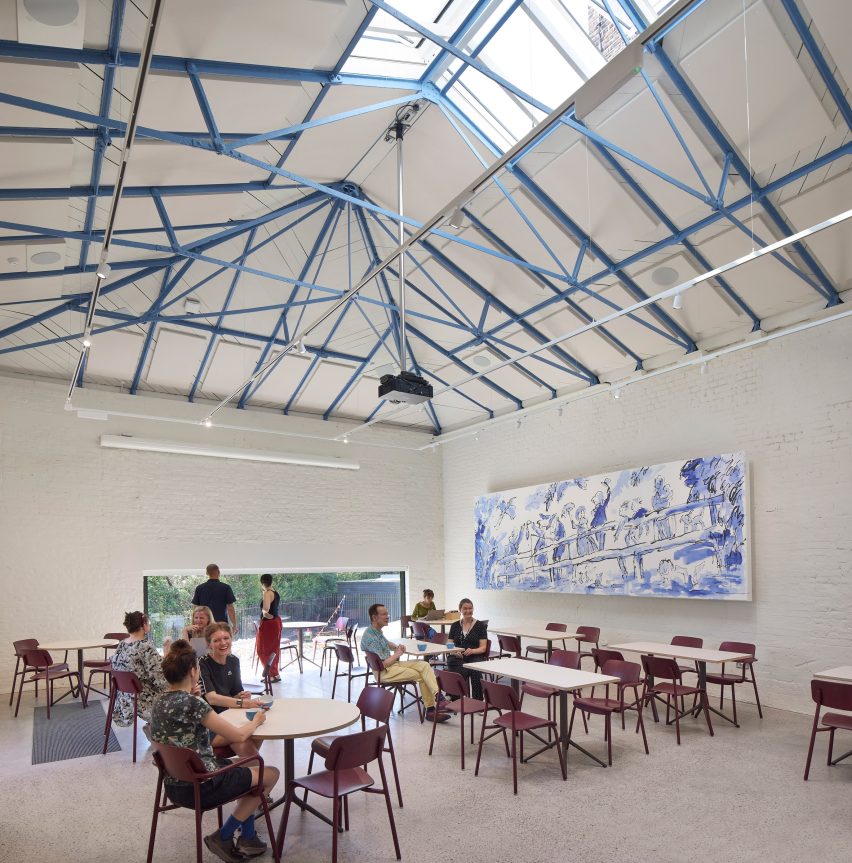
Connected to the engine house gallery is a cafe within the former boiler house, which extends out onto a terrace.
The final major exhibition space is in the converted 19th-century coal store, where remains of the coal cart tracks were retained.
The museum is entered through a low-level entrance block that connects the main gallery and cafe to a long volume housing a creative studio and toilets.
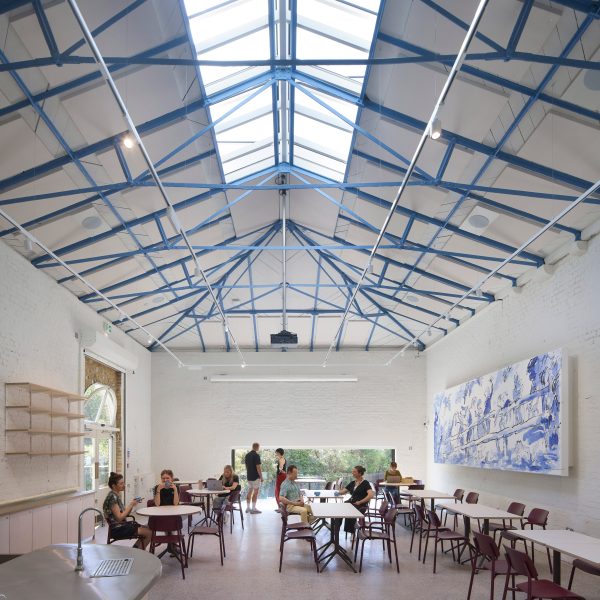
Throughout the renovation, the studio aimed to reference the history of the site, with soot-blackened bricks and the original distinctive roofs left intact. Outside of the buildings, cobbles have been reinstated and biodiverse planting added.
Other projects by studio Squire & Partners include an elongated, black community centre alongside a historic windmill in London.
Elsewhere in London, O’Donnell + Tuomey recently completed the V&A East Museum with galleries by JA Projects and shops by Studio Mutt.
The photography is by Hufton + Crow.
Project credits:
Client: Quentin Blake Centre for Illustration
Architect: Tim Ronalds Architects
Main contractor: Rise Contracts
Structural engineer: Eckersley O’Callaghan
Services engineer: Max Fordham
Services, sustainability: Max Fordham
Cost consultant: Core Five Consulting
Planning consultant: Montagu Evans,
Acoustic consultant: Ramboll UK
Access consultant: Earnscliffe: Making Access Work
Landscape design: Sue Amos
Gallery design: All Things Studio and Wolfe Hall
Cafe: Deeney’s
Retail consultant: Ailsa Forbes
Wayfinding design: Fraser Muggeridge Studios
Read more
Recommended stories
SIRS Architects converts London brewery into gallery for Gilbert & George
Marks Barfield Architects proposes UK tidal power station “to reduce reliance on fossil fuels”
David Chipperfield adds social housing and offices to Lyon riverside development
RSHP to transform world’s largest cluster of Victorian gas holders into housing
Studio Egret West unveils Manchester’s first city centre park for 100 years
Tate Modern’s Corner cafe revamped to be less “Herzog & de Meuron-y”
PUP Architects extends Surrey Docks Farm with a sawtooth orangery and black tower