RSHP arranges convention centre in China around mile-long walkway

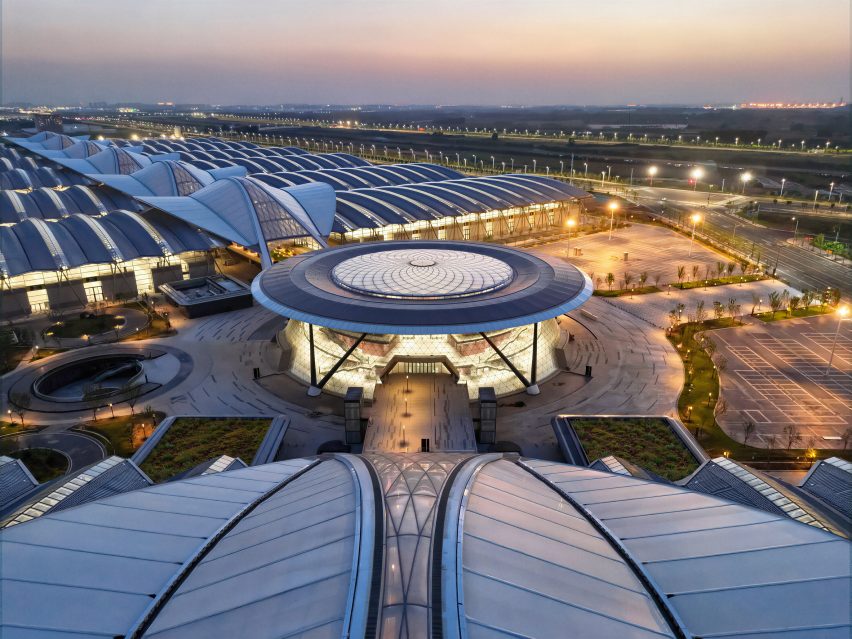
British architecture studio RSHP has completed a vast convention centre in Zhengzhou, China, with 16 exhibition halls connected by a mile-long elevated walkway.
Located in the Zhengzhou Airport Economic Zone, the project’s completion marks the end of the second phase of construction at the Central China International Convention and Exhibition Centre.
It joins a conference centre and a hotel, which RSHP said together form a “landmark that is recognisable from both land and air”.
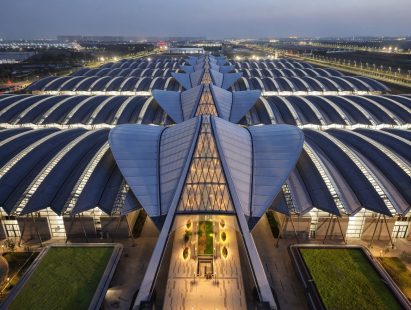
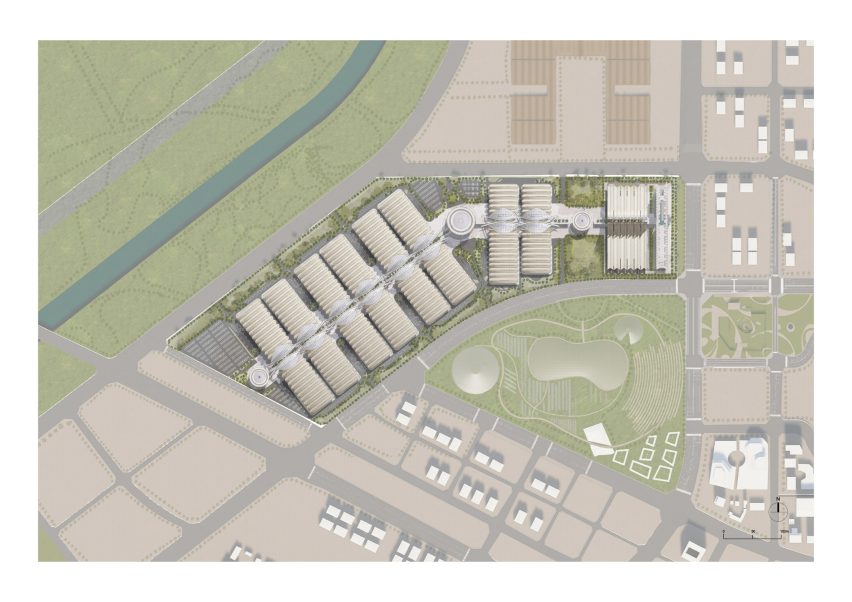
According to RSHP, the giant conference centre’s 697,566-square-metre site area is equivalent to around 558 Olympic swimming pools.
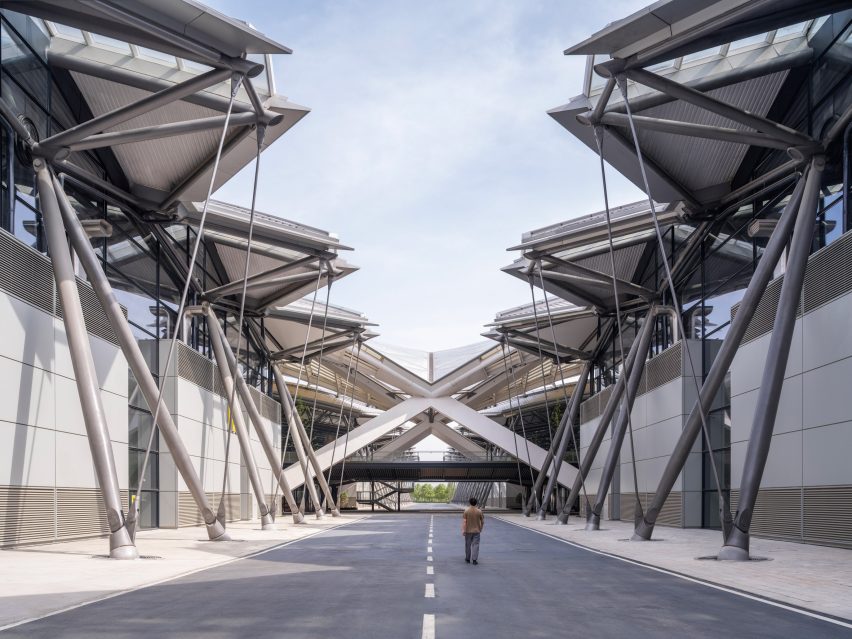
It was built using a modular steel structural system to ensure efficient construction.
“This was an immensely ambitious project – vast in scale and delivered within a limited timeframe – which demanded a design that emphasises modularity, standardisation, and the use of cutting-edge technology, resulting in a series of buildings that are distinctive, efficient, and joyful,” said director Richard Paul.
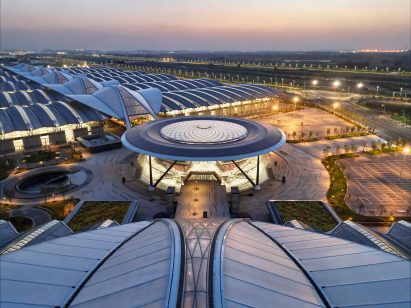
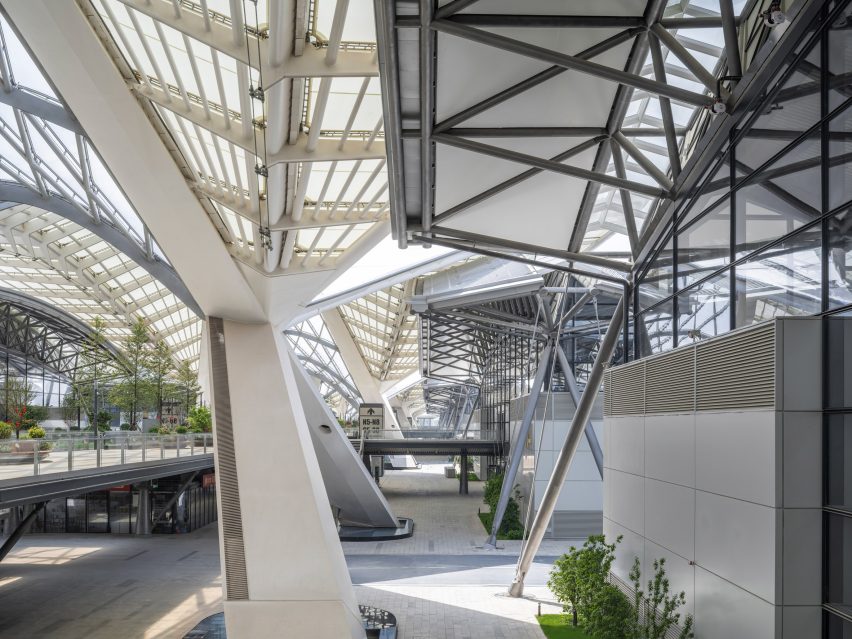
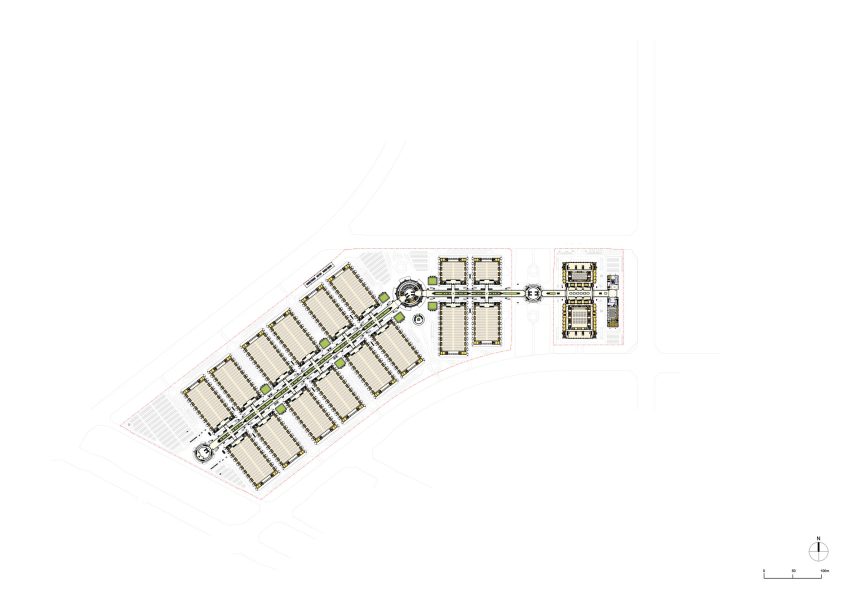
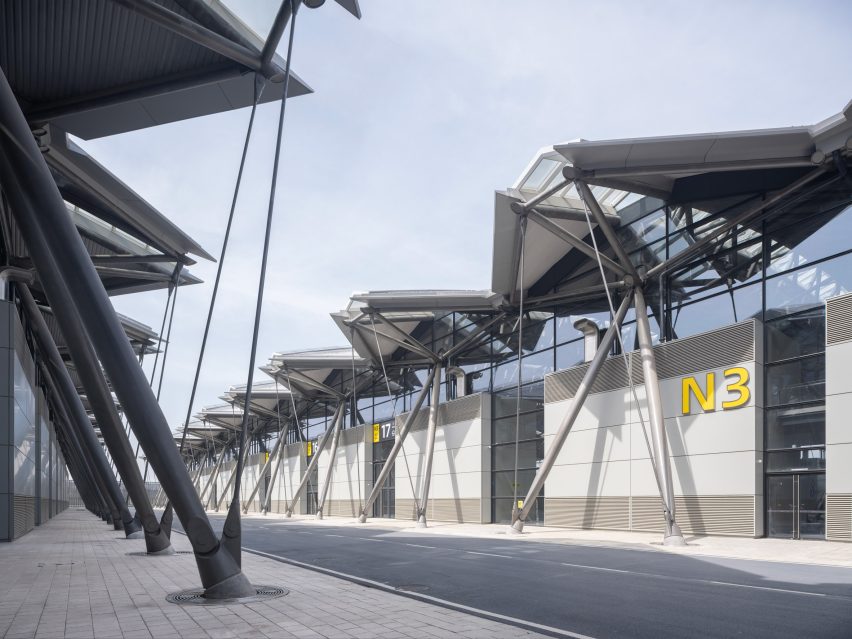
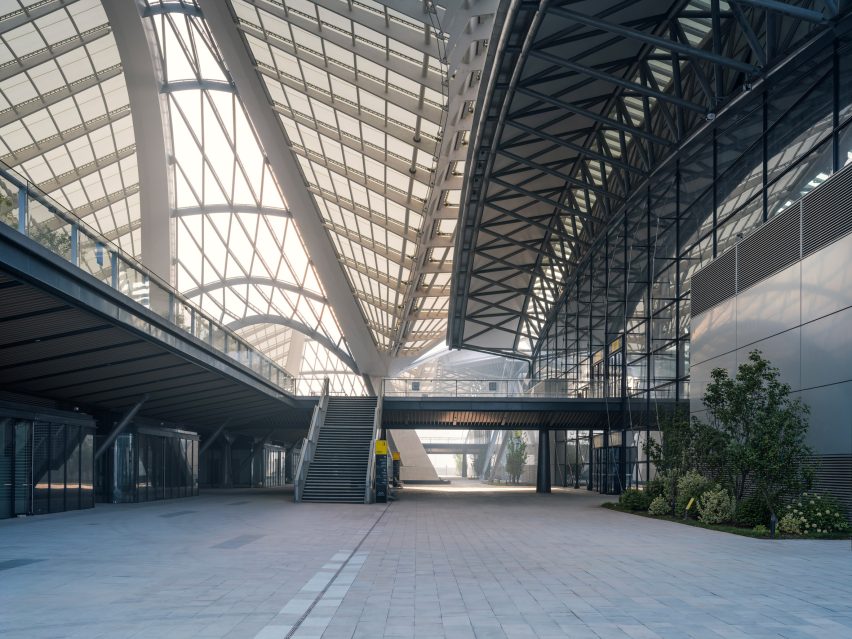
Sixteen exhibition halls are arranged along a one-mile-long (1.7-kilometre-long) central spine, which takes the form of an elevated walkway divided into two levels. According to the studio, this offers a pedestrian-friendly experience while ensuring efficient circulation.
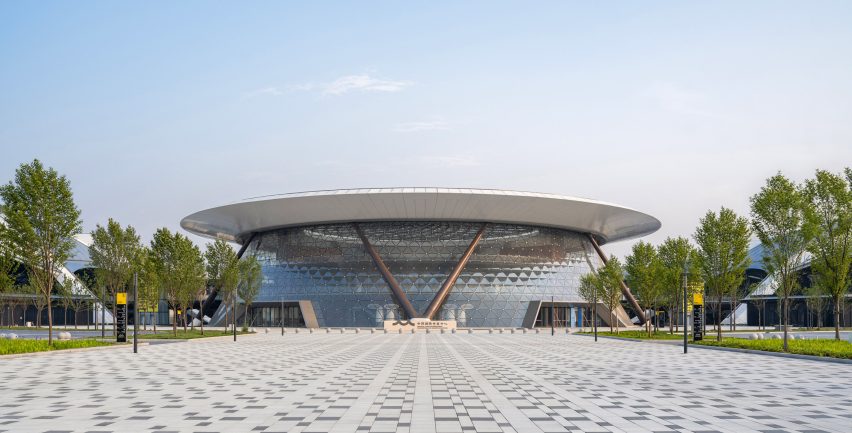
Three entrance pavilions provide access to the convention centre via the upper level of the walkway, while also connecting to the conference centre.
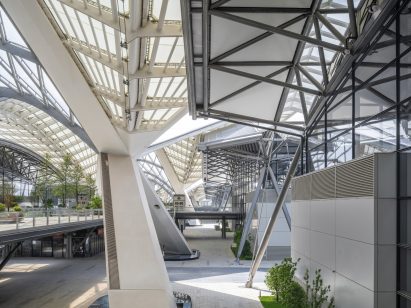
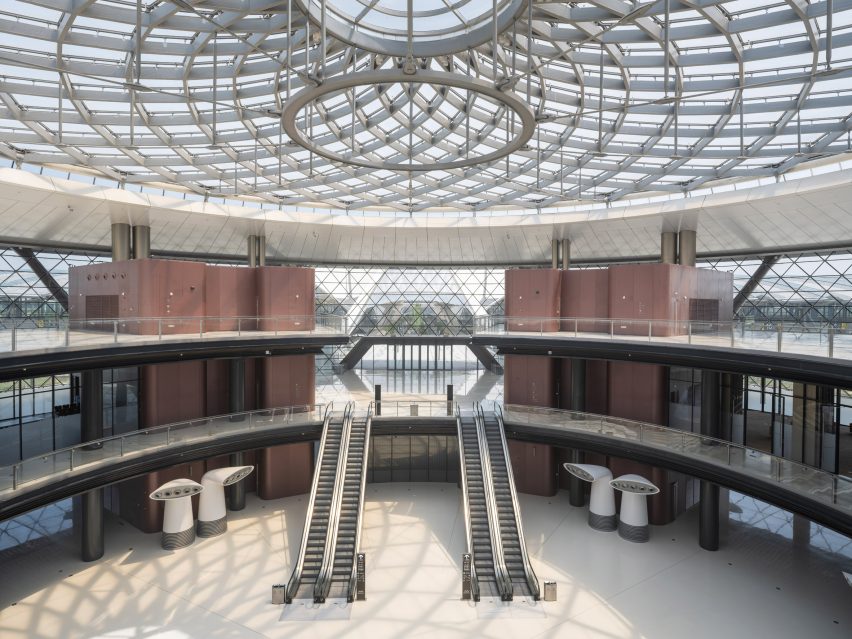
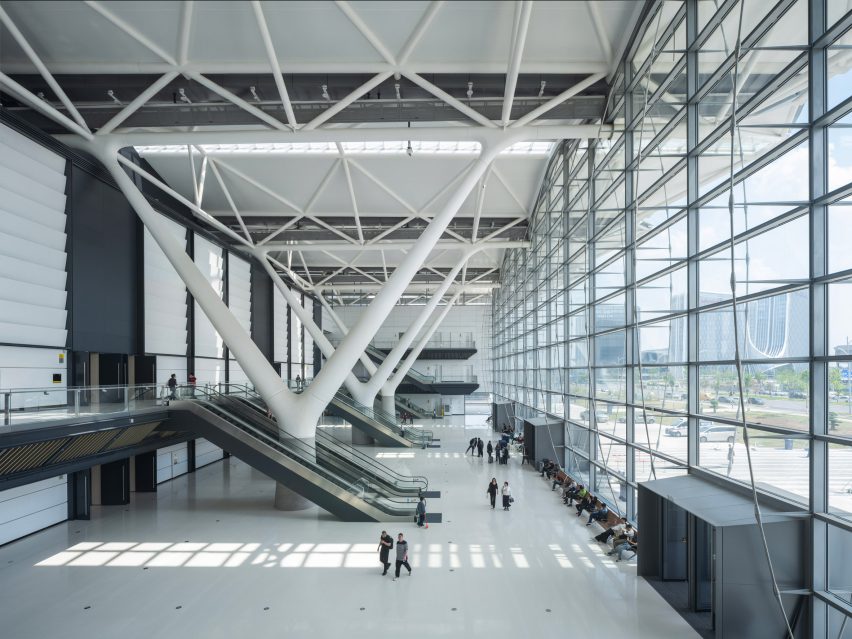
Travelators lead up to the upper level, while escalators descend into the designated exhibition halls.
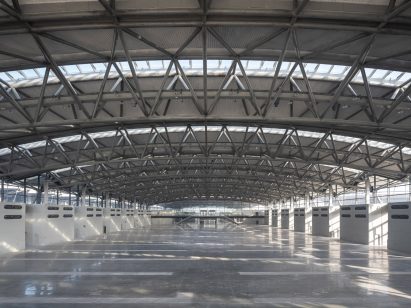
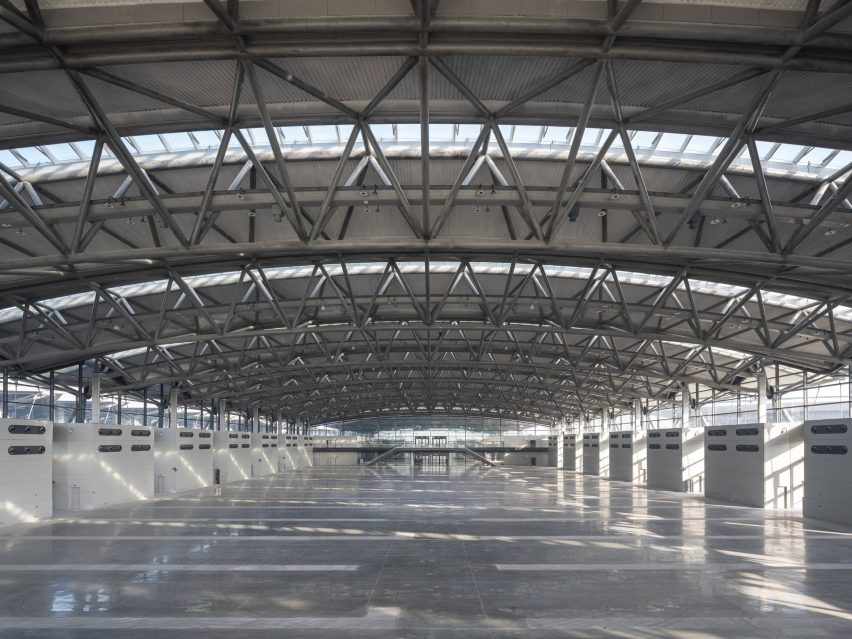
A mezzanine entrance level for each exhibition hall was created for visitors to view the dramatic span of each hall from above before heading inside.
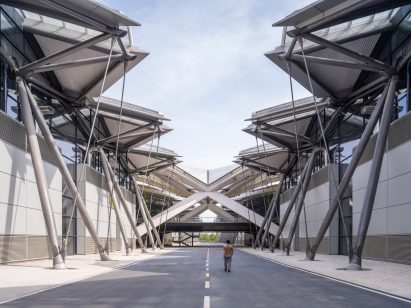
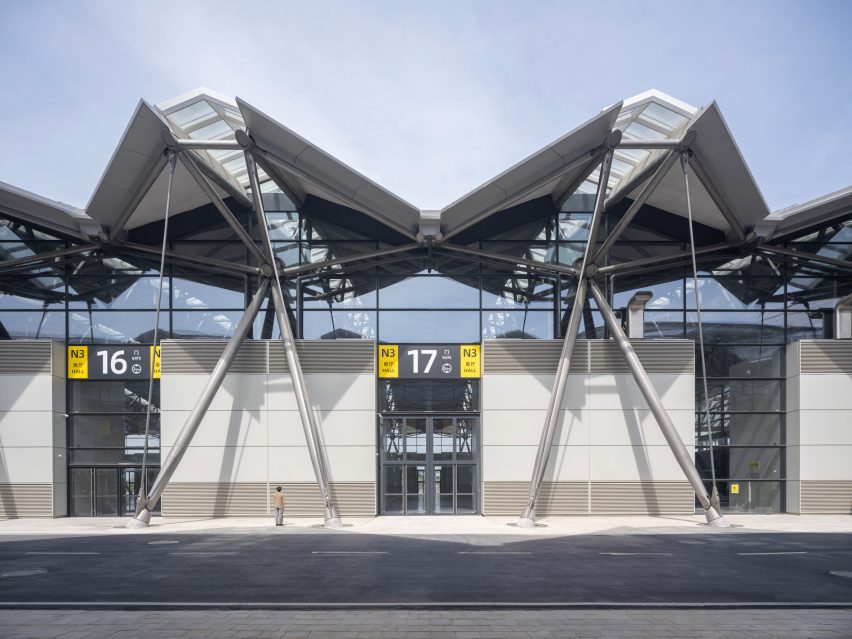
The convention centre includes thirteen standard halls, each measuring 12,638.5 square metres, and three additional multifunctional halls. These halls can be combined or divided into separate sections to allow events of different scales to happen simultaneously.
Restaurants and other public spaces are located on the ground floor, beneath the walkway.
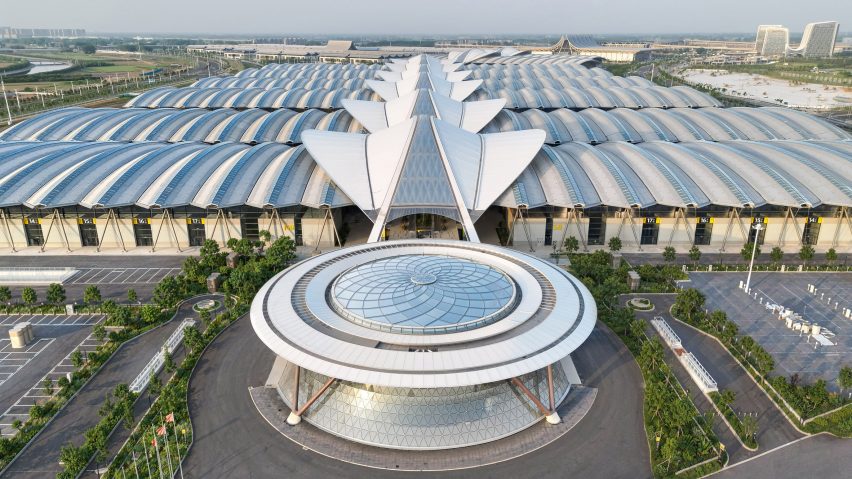
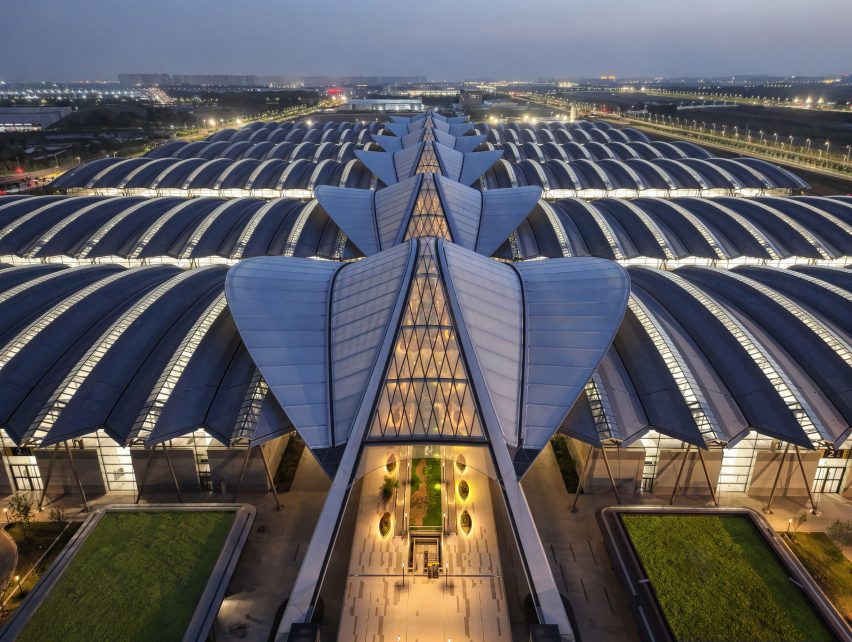
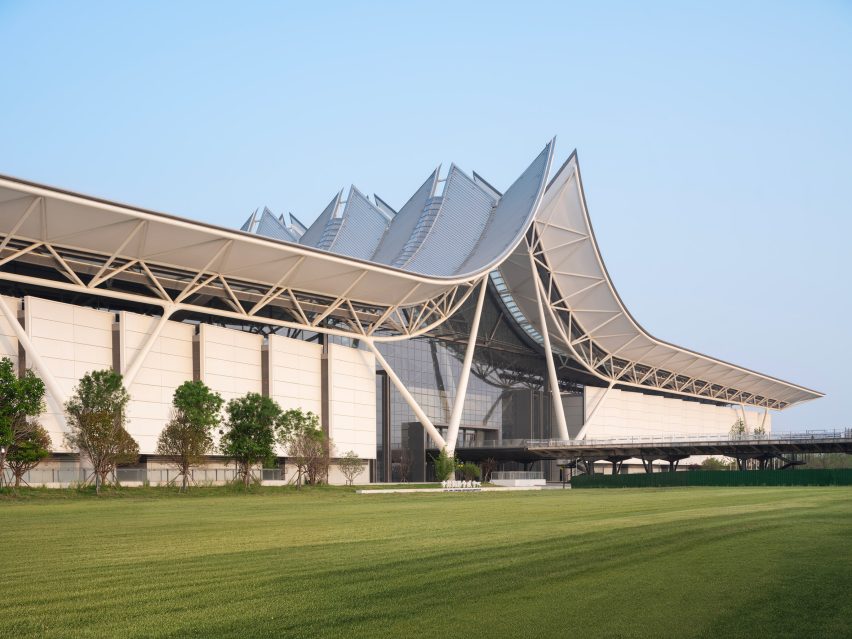
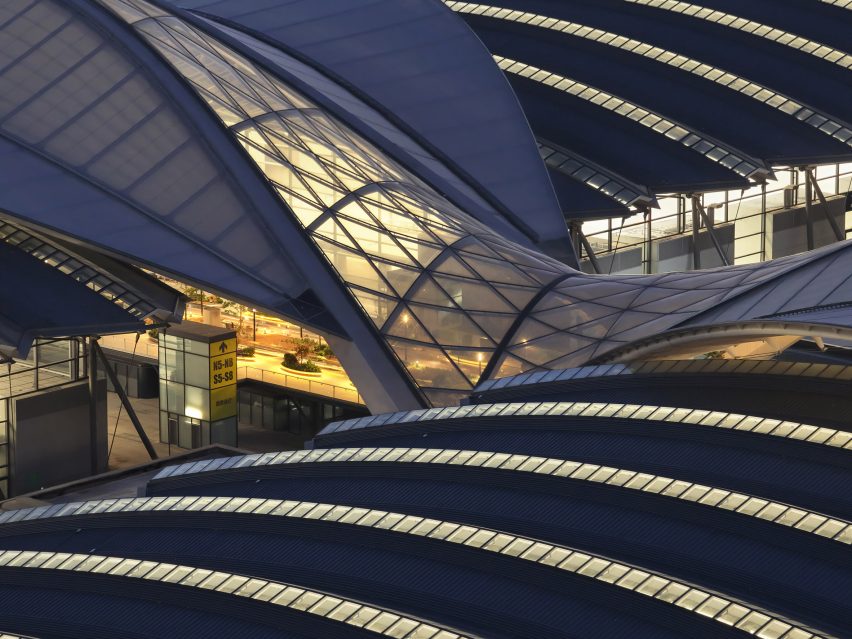
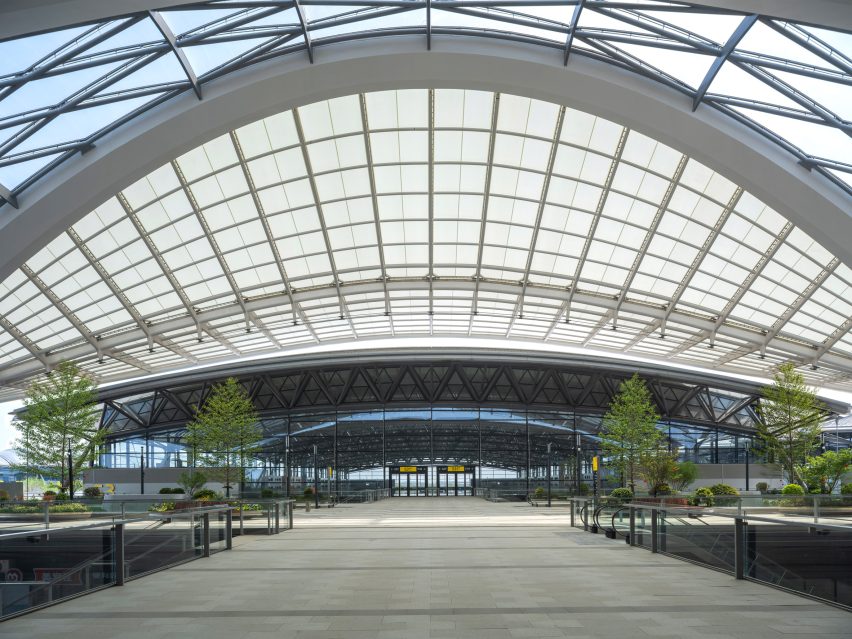
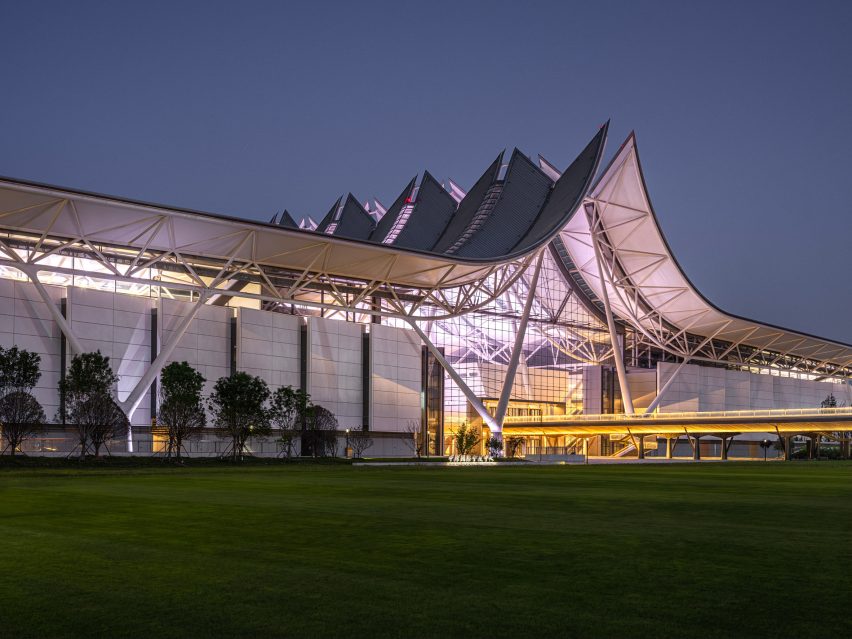
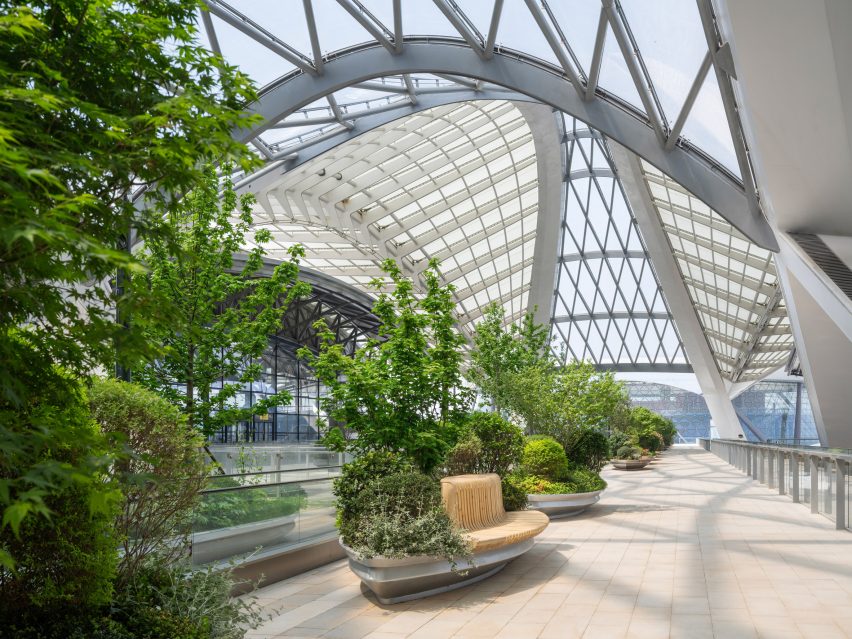
A series of sweeping canopy roofs provides shelter for the walkway, while inviting natural light into the covered space. According to RSHP, the design of these was informed by the local natural landscape, including the Yellow River and Song Mountain.
The canopies form a continuous wave along the central spine and across the whole site.
“The 1.7-kilometre concourse is shaped by a sweeping undulating arch structure that brings lightness and offers welcoming open spaces to enhance the visitor experience, with naturally lit spaces and intuitive routes organised around a central spine,” said Paul.
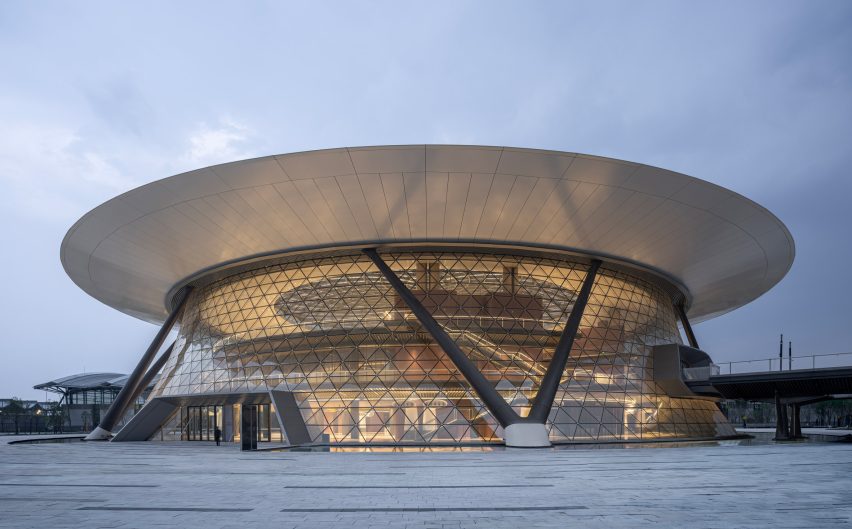
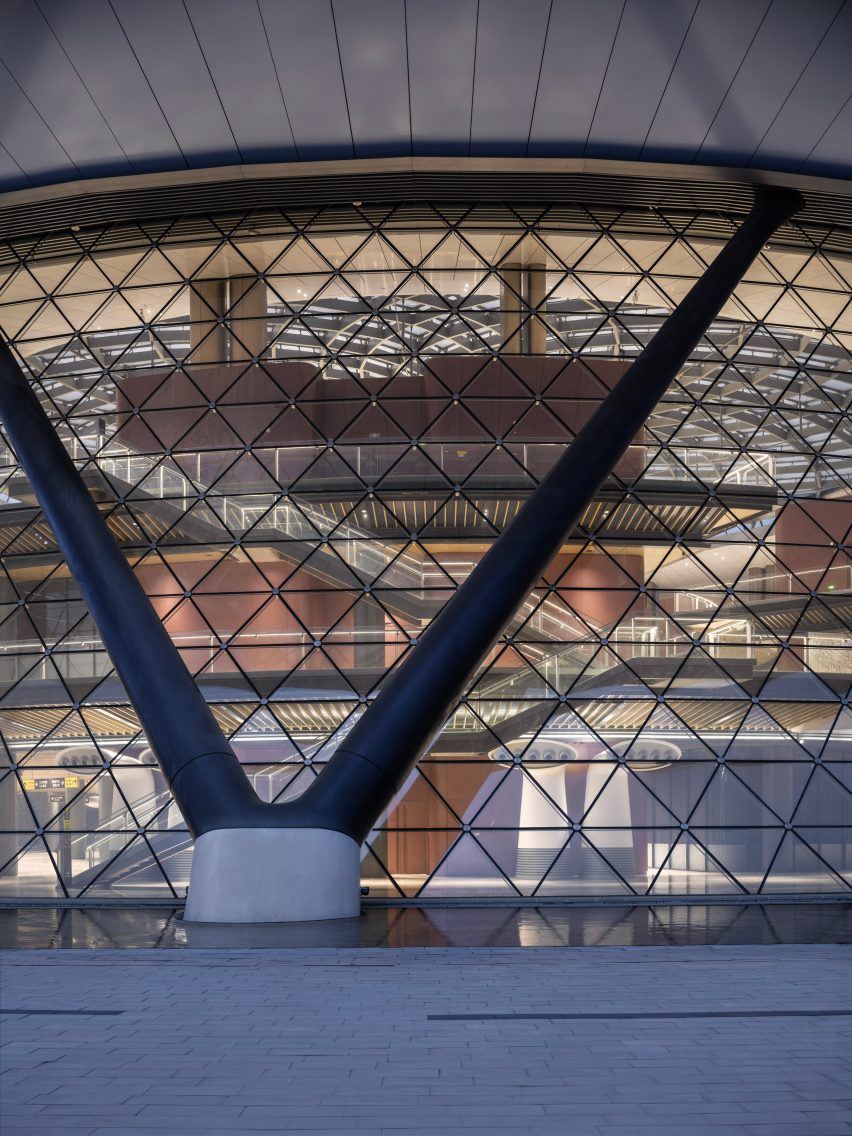
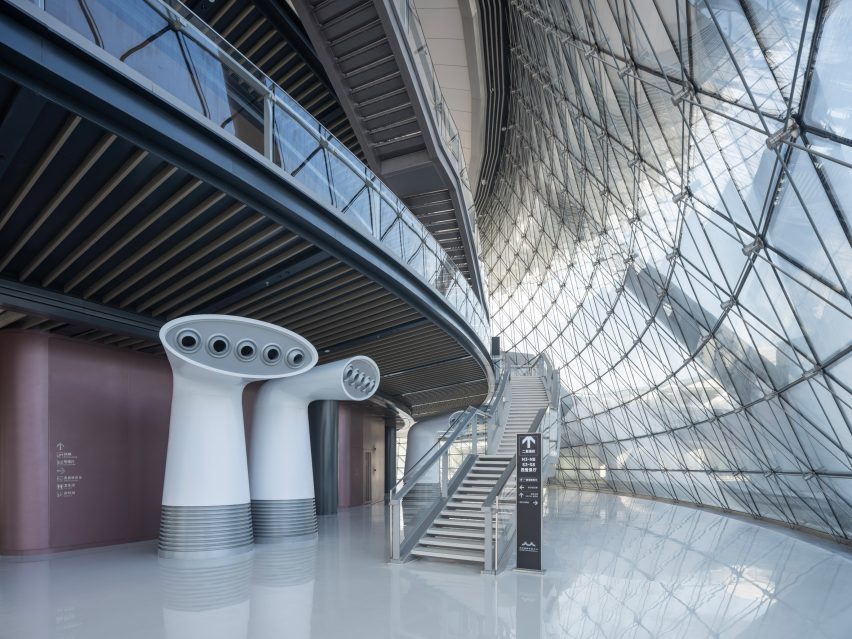
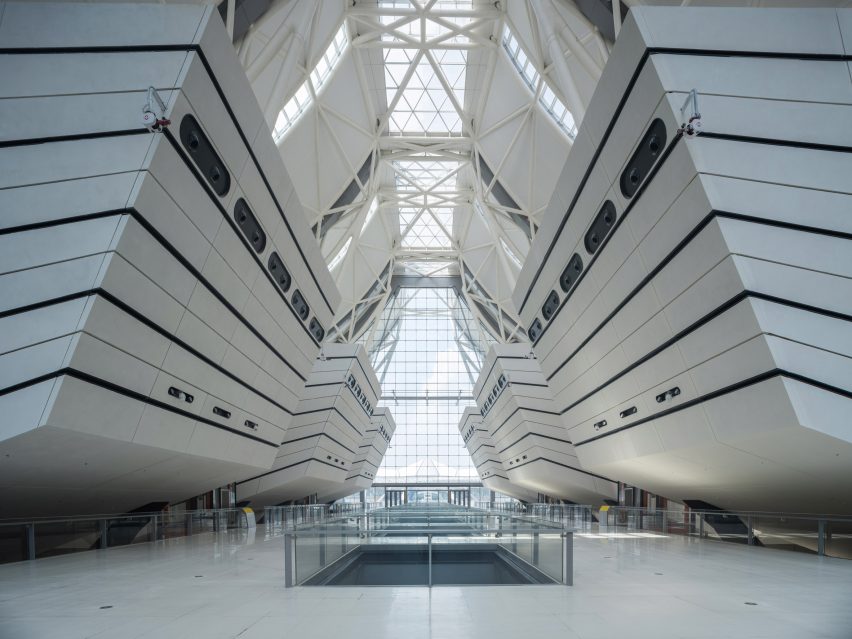
The conference centre, located to the east of the site, features large cable-net facades as well as a curved “floating” roof that rises over the central hall.
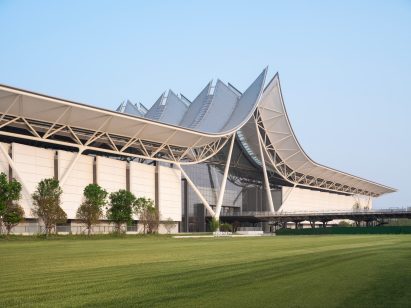
Adjacent to the conference centre, the hotel is defined by a zigzag roofscape. It comprises 275 guest rooms, a grand ballroom and private dining areas.
The studio also incorporated passive and sustainable energy systems throughout the development, including photovoltaic panels installed on the roof of the central entrance pavilion to support power generation and rainwater harvesting used for landscape irrigation.
Other recent projects completed by RSHP include the Metro Tunnel rail network in Melbourne and the Barangaroo South masterplan in Sydney.
The photography is by Tian Fangfang.
Project credits:
Architect: RSHP
Client: Henan Airport Construction & Development Co.
JV partner: Tongji Architectural Design (Group) Co.
Local architects: Tongji Architectural Design (Group) Co., Architectural Design & Research Institute of Tsinghua University Co., Henan Provincial Institute of Transportation Planning and Design Co.
General contractor: China First Metallurgical Group Co., China Railway Construction Engineering Group Co., China Railway Tenth Bureau Group Co.
Facade consultant: EFC
Structure consultant: SBP
Fire consultant: Arip
Lighting consultant: Speirs Major
Interior design consultant: Xuwen
Read more
Recommended stories
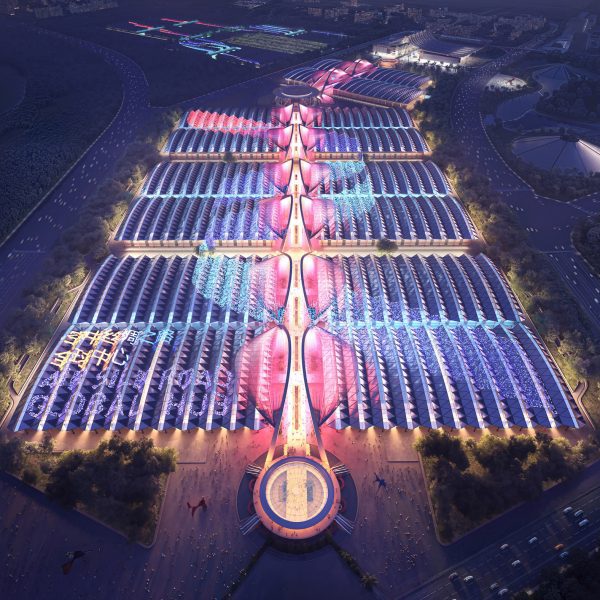
RSHP designs 1.7-kilometre-long convention centre in China
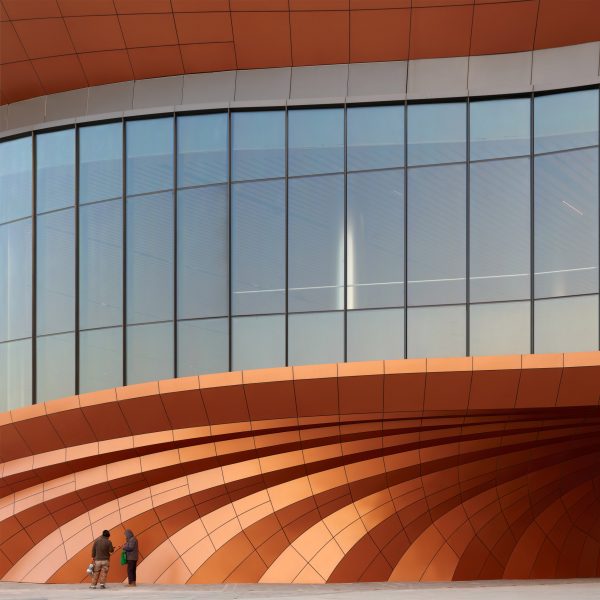
Copper-coloured curves define Beijing convention centre by Zaha Hadid Architects
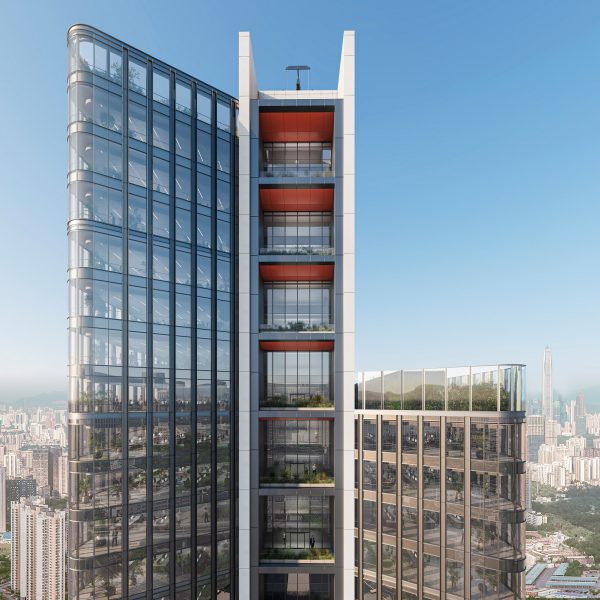
RSHP unveils design for “open and welcoming” Shenzhen skyscraper
RSHP unveils tripartite Shanghai skyscraper informed by historical laneways
WAU Design completes cultural centre to preserve heritage of town in Guangzhou
SOM uses AI to design diamond-like West Bund Convention Centre in Shanghai
National Convention and Exhibition Centre, Tianjin by GMP Architekten