Morrama designs recording device as alternative to AI “ghost bots”

Design studio Morrama has developed a recording device that can be used to replay conversations with a loved one after they die.
Morrama designed the device as an alternative to AI-generated facsimiles that mimic the voice and personality of a deceased relative, known as “ghost bots”.
According to the studio’s founder Jo Barnard, this emerging trend known as “grief tech” is promoted as a way to keep the memory of a loved one alive, often without much consideration for their present role within a family.
“For the first time in history, we have the tools to digitally replicate not just what someone looked like, but the stories they told and the way they spoke,” said Barnard.
“This can be a seductive method of preserving our loved ones, but risks forgoing authentic, real-world connections,” she continued.
“At Morrama, we believe the future of AI shouldn’t be about building better chatbots, it should be about bringing us closer to the people who matter.”
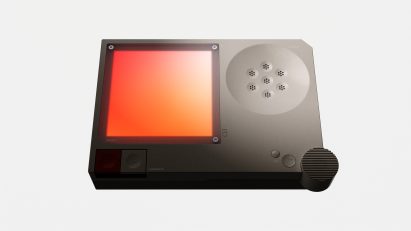
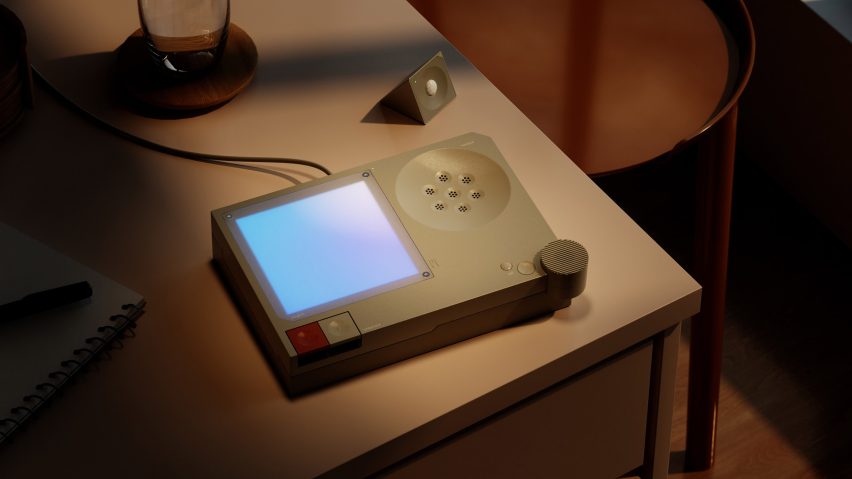
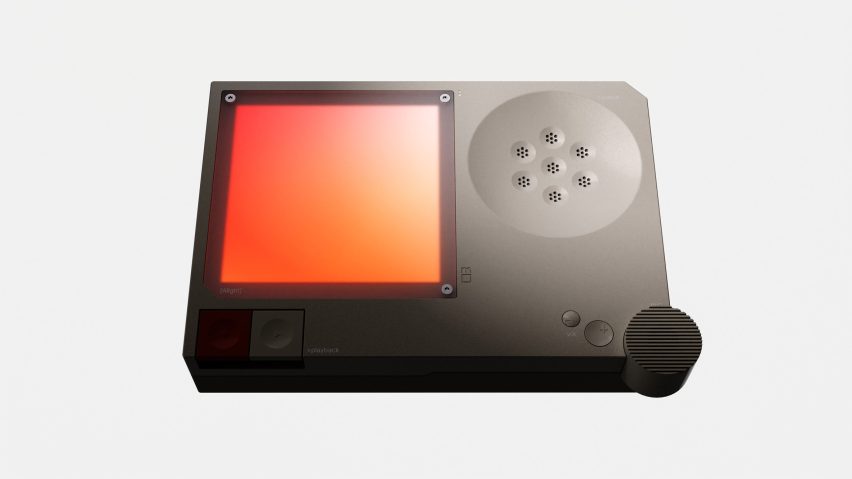
Instead of focusing on generative AI, Morrama developed a device called Alight that aims to have a more considered approach to intergenerational connection and dealing with loss.
Based on research into the challenges facing younger generations growing up in an increasingly unpredictable world, the concept prioritises human interaction and emotional legacy over data capture.
Alight uses satellite technology to track movement within the home, producing a soft, ambient glow when loved ones are present and available to talk.
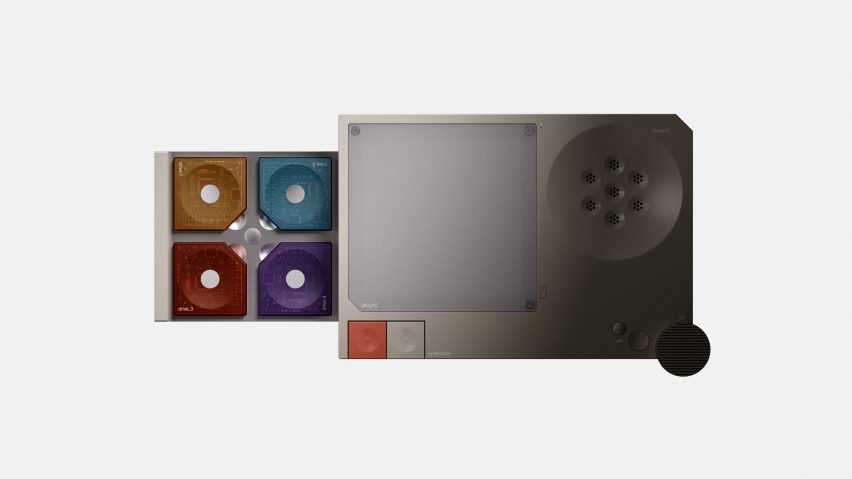
The device records conversations and archives them so they can be replayed as a way of remembering real-life interactions.
Its restrained use of AI applies the technology purely as an efficient search tool to help find and play relevant audio files, such a story, joke or conversation that has particular emotional resonance.
The project aims to preserve intergenerational wisdom, which research shows can play a key role in supporting the psychological resilience of young people.
“Our proposal provides a catalyst for connection that encourages users to have conversations, ask questions and therefore build up an archive while their loved one is still alive,” Barnard told Dezeen.
“If done properly, this transfer of wisdom and lived experiences helps people maintain a connection to their tribe and gives them confidence to overcome the challenges they will face in their own life.”
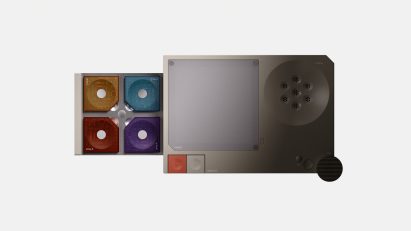
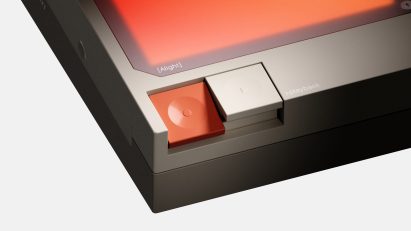
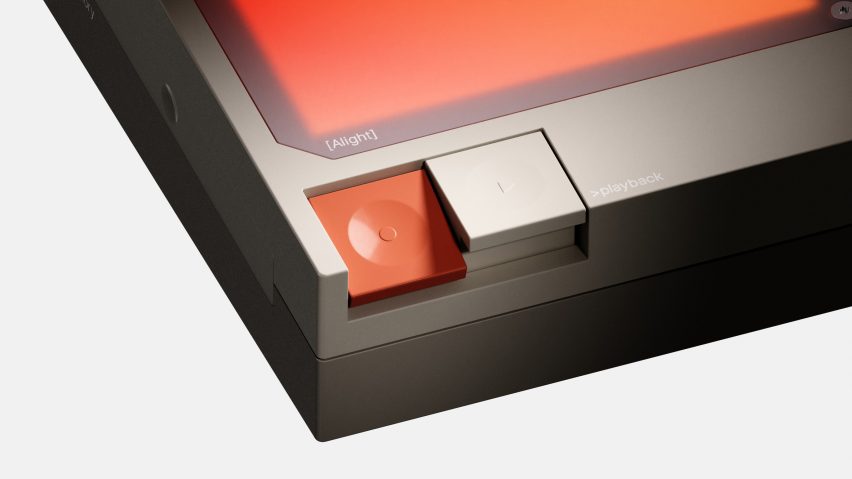
Rather than discreetly listening in to conversations as many modern devices do, a large button clearly provides a tactile interface that foregrounds the need for consent before any recording takes place.
“We want to create an object that feels like a familiar household staple, not a piece of cold tech,” Barnard added.
“Alight is designed to remove the friction of scheduling and the distraction of screens. It creates a space for the voice – one of the most intimate mediums we have – allowing for genuine, focused conversation.”
Barnard explained that the project’s main aim is to help start a conversation around the use of AI that could lead to further development and potentially a viable working product in the future.
Morrama was established in 2015 as a product design and innovation agency focused on helping brands develop visionary solutions and meaningful experiences that resonate with their audiences.
Previous projects including an AI-based menopausal treatment service and a set of children’s headphones made from agricultural packaging waste contributed to Barnard being named the winner of the Bentley Lighthouse Award at Dezeen Awards 2025.
Read more
Recommended stories
Dezeen’s policy on AI
Home designed by humanoid robot goes on display in Denmark
Imago audio player lights a path for ethical AI use in music
“Architects may become a thing of the past” says ChatGPT
Eight actually interesting uses of AI from 2025
AI-powered Dream Recorder lets users play back their dreams

Hickok Cole uses ChatGPT to design 24-storey mixed-use building