
Snap Specs bring rich augmented reality to smart glasses
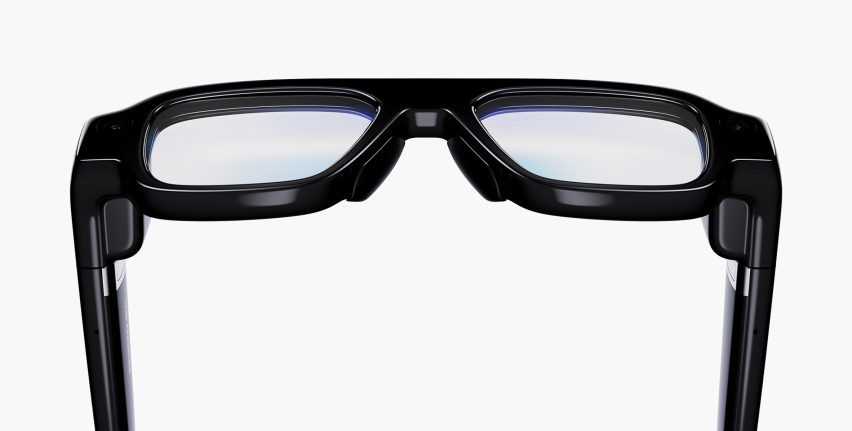
Tech company Snap has blended the immersive display style of mixed-reality headsets with the lightweight appearance and functionality of AI glasses in its latest product, the Specs.
Unveiled yesterday at the Augmented World Expo in Long Beach, California, the Snap Specs are built to allow wearers to enjoy entertainment, work on the go or access AI assistance through a display projected into their field of vision.
Snap's Specs follow high-profile launches of AI-powered smart glasses from Meta, Google and Samsung, and smaller players such as Even Realities in the past year. However, they take a different tack in prioritising rich augmented-reality experiences over physical lightness and minimal overlaid displays.

Instead, they feature a large display that promises high resolution and 16 million colours. According to Snap, the 51-degree field of view feels like a 24-inch desktop monitor when you're working or a 115-inch home cinema screen placed about three metres away when you're watching a movie.
As with mixed-reality headsets such as the Apple Vision Pro, there is room-tracking technology, so virtual objects can appear anchored to the real environment, and hand tracking for gesture control.
The Specs are bulkier than most AI glasses but lighter than headsets, weighing between 132 and 136 grams, and work on their own, without being tethered to an external "puck", making it easier for users to wear than a headset when they are out and about.

Some of the use cases Snap outlined for the glasses include walking through a city and seeing directions projected onto the street, measuring a space without a tape measure, watching a movie, and working on a computer- or whiteboard-like screen.
Hundreds of apps – which Snap calls Lenses — have already been created by developers using a previous developer version of the glasses.
"When people first hear about augmented reality, they often imagine existing software floating in front of their face," Snap said. "We think the opportunity is much bigger than that."
"Some experiences will help people learn, some will help people work, some will help people create, and some will simply be fun. Many of them haven't been imagined yet."
As with other technology companies before it, Snap is positioning its product as one that can help people feel more present in the moment and free from the pull of their phone screens.
"We believe the best technology fades into the background, helping when it's needed and getting out of the way when it's not," said Snap. "Specs bring computing into the world around us."
"Instead of pulling us away from the moment, they make it possible to access information, entertainment, and assistance while staying engaged with the people and places around us," it continued. "We believe augmented reality is the most natural way to use a computer because it aligns with how people already experience the world: visually, socially, and in three dimensions."
The Snap Specs are made of the Swiss thermoplastic polymer TR90, which Snap co-founder Evan Spiegel referred to as "plastic titanium" on stage at the the Augmented World Expo, saying it was light enough to be worn for hours.
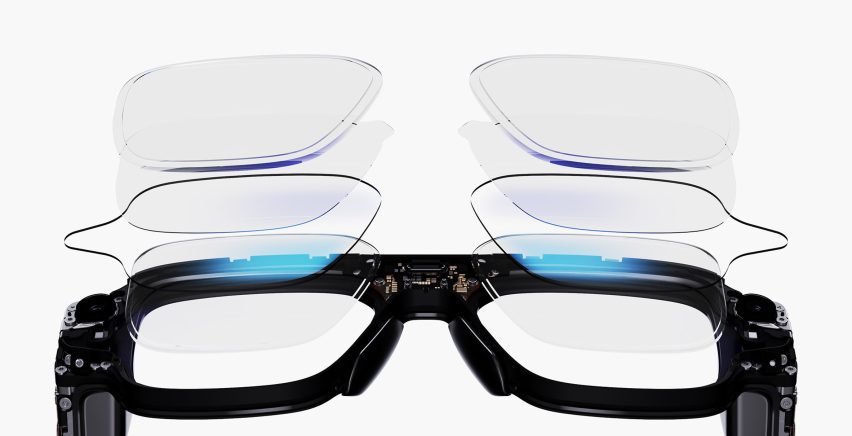
The glasses support prescriptions but through removable inserts rather than fixed lenses, allowing the glasses to be shared among friends and family. The lenses are electrochromic, becoming tinted in bright sunlight.
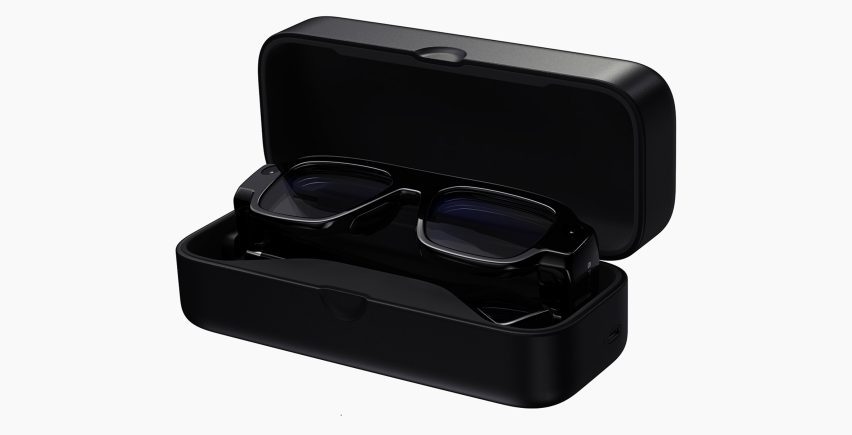
The Specs are made for long but not necessarily constant wear, with up to four hours of mixed-use battery life and an included charging case providing four additional charges on the go.
The display is powered by liquid crystal on silicon technology, with invisibly small nanostructures called waveguides directing the light to the wearer's eye, while two Snapdragon processors power the computer vision and Lenses.
Snap says it has prioritised privacy for the outset, with an LED indicator that lights up when recording is taking place and user control over what data is stored, synced or shared.
The Specs are built for on-device processing, apart from for AI interactions, which are processed in the cloud.
The Specs are the product of over 10 years of development at Snap, which launched its first pair of smart glasses in 2016, at the same time as it changed its name from Snapchat. Snap says they will begin shipping in autumn.
Meta has a similar prototype in development called Orion, which it previewed in 2024 but has not yet launched to the public.