Made in Japan by Antrepo
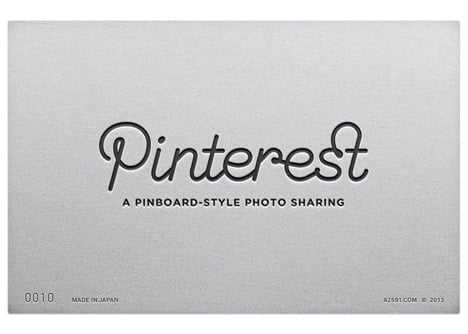
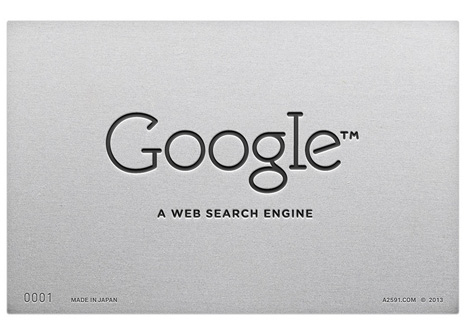
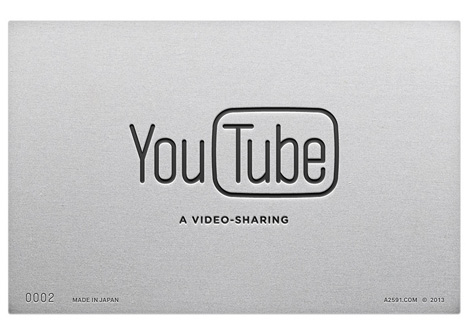
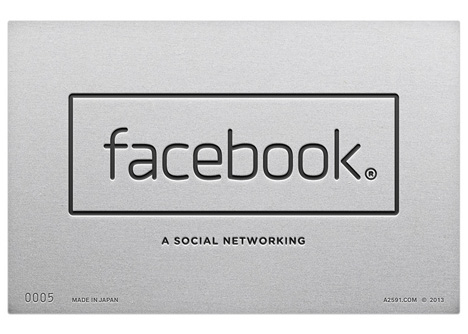
The pared-down logos found on vintage Japanese cameras inspired Istanbul-based design consultancy Antrepo to create conceptual minimal logos for web brands like Facebook, Google and YouTube (+ slideshow).
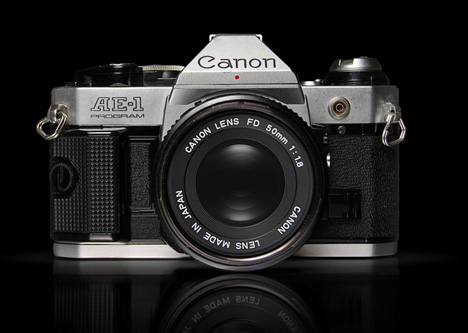
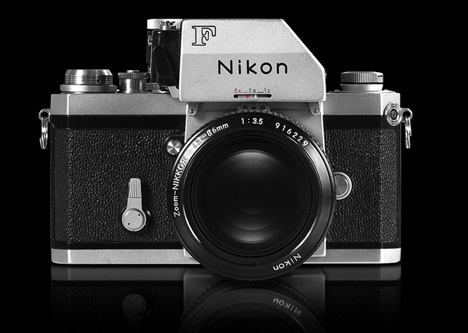
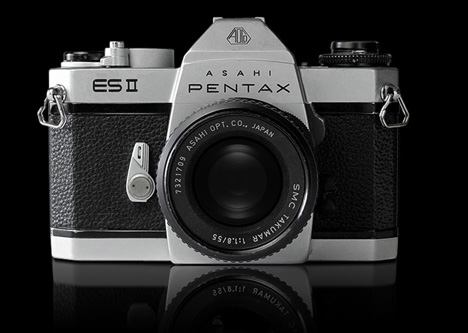
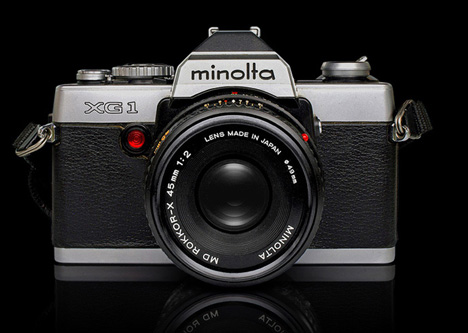
Antrepo, led by designer Mehmet Gozetlik, based the Made in Japan project on 35mm SLR cameras manufactured in the 1970s and 1980s.
The designers noticed that cameras made by Canon, Nikon, Pentax and Minolta in that period all featured simple line drawings in place of the brands' logos, which were normally much bolder.
The line drawings cut production costs by making them easier to apply to the metal camera bodies, Gozetlik explained to Dezeen.
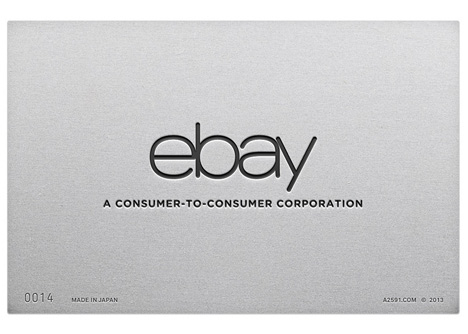
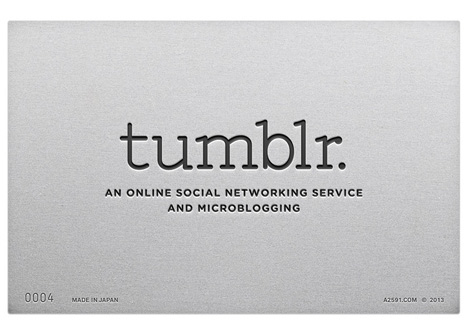
Antrepo took the colourful logos of contemporary web-based companies and services like Instagram, eBay and Twitter and turned them into stark monochrome designs.
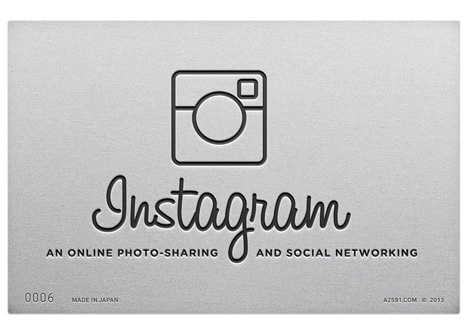
The new logos appear to be etched into metal, echoing the appearance of the vintage cameras.
We previously featured Antrepo's minimalist take on well-known food packaging designs.
Earlier this month we reported that famous brands including Heinz, Marmite and Levi's had produced "unbranded" versions of their products for sale at London department store Selfridges.
Last week American Airlines unveiled a new logo and livery for its aeroplanes, while designer Yves Béhar recently revamped the packaging of skincare brand Nivea – see all graphic design on Dezeen.
Here's more information from Antrepo:
Made in Japan
Canon AE-1, Nikon FTn, Ashai Pentax ESII, Minolta XG-1 – these cameras are some of the Japanese 35mm SLR cameras from the vintage '70s and '80s, the "Made in Japan" era, when Japan set the global standard of producing quality.
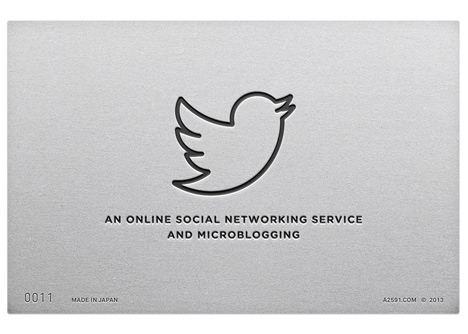
When we take a look at the vintage 35mm cameras, we notice that almost all of these brands used the same style for their logos and typography – line-based logos and extended-outline fonts.
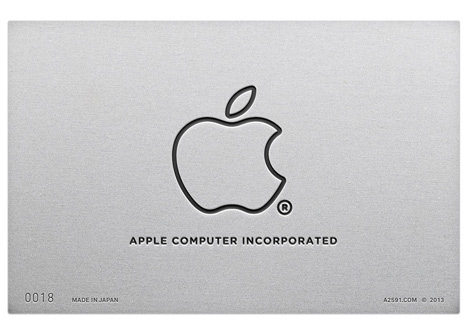
Almost all of these brands used bold logos on their packaging or advertising in the '70s and '80s.
The production industry created line-based logos for the metal bodies, probably to cut down the production costs. So we try to see the digital world in the same perspective of this vintage style.