Gaudí Centenary celebrates the legacy of an architect like no other

To kick off our Gaudí Centenary series marking 100 years since the death of Catalonia’s most famous architect, we take a look at his life and work.
Instantly recognisable by his mononym, Antoni Gaudí is an architect whose presence and almost legendary aura extend far beyond those interested in architecture.
The incomparable, unique forms of his buildings, the seemingly never-ending construction of the Sagrada Familia, his deep association with Barcelona‘s identity and his untimely death 100 years ago all add to the fascination.
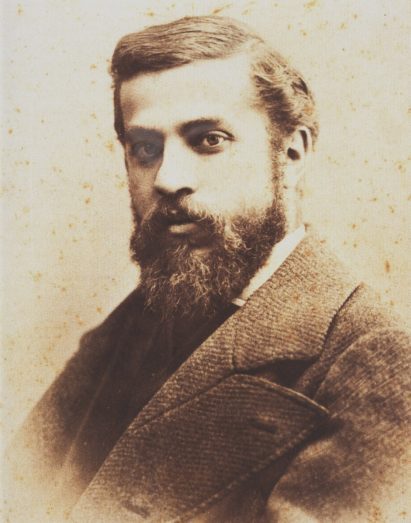
Born in 1852, Gaudí was raised in Reus in Catalonia, the region his architecture would come to define, and in which he had great pride.
At 16, Gaudí moved to Barcelona – the city where he would leave his lasting mark – to study teaching. He later turned his attention to architecture, studying first at the Llotja School and later at the Barcelona Higher School of Architecture, graduating in 1878. At the time, his professor gave a hint at the enigmatic nature of the architect’s future work.
“We have given this academic title either to a fool or a genius,” said Barcelona Architecture School director Elies Rogent. “Time will show.”
Soon after graduating, Gaudí began designing in earnest, first with a set of lampposts for the Plaça Reial and the Pla de Palau in Barcelona. Despite his architecture defining the city, this was one of only two commissions he was ever given by the city council.
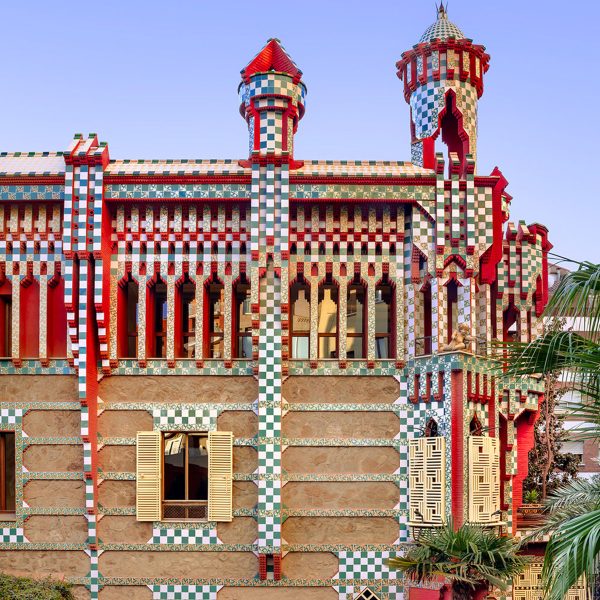
Gaudí’s first major work, Casa Vicens, was commissioned later that year. But around the same time, it was a far more unassuming project that would change the course of his career – and Barcelona’s history.
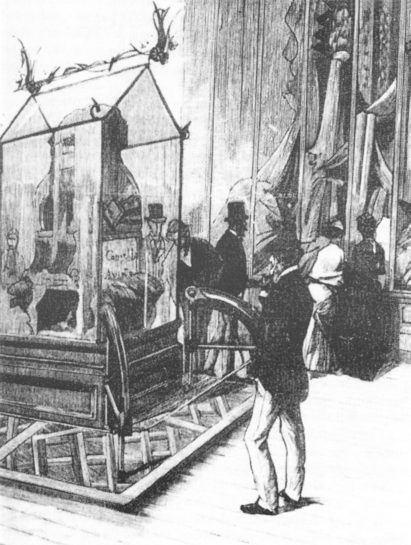
Glove retailer Esteban Comella tasked Gaudí with designing a cabinet to display its products within the Spanish Pavilion at the Paris Universal Exposition. The cabinet attracted the attention of Spanish industrialist Eusebi Güell, who would go on to be the principal driving force behind Gaudí’s eventual success.
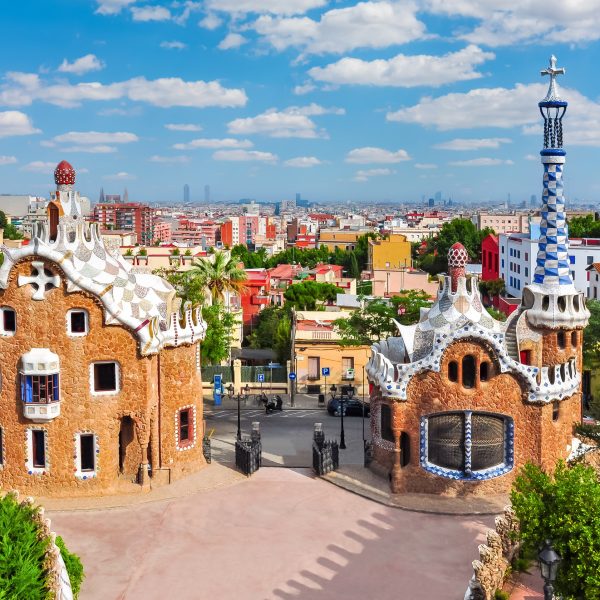
Five of Gaudí’s buildings bear the industrialist’s name – Palau Güell, Colònia Güell, Park Güell, Bodegas Güell and Pabellones Güell de Pedrables. Many others were commissions from Güell’s wider family and business circle.
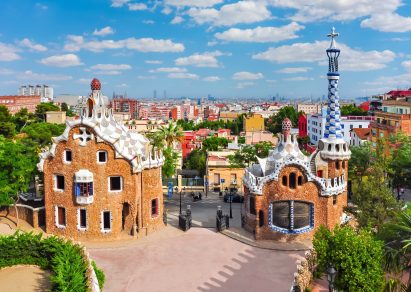
The early commissions gave Güell the cultural clout of a unique and new architecture, while having an extremely wealthy and supportive benefactor afforded Gaudí the rare freedom to experiment and push his ideals.
Not that his association with Güell has been entirely positive for the great Catalan architect’s legacy, in retrospect. Most of Güell’s wealth came from slavery, which people in Spain continued to profit from long after it had been officially abolished in 1820. The connection has prompted the Guardian’s Rowan Moore to ask: “Is Gaudí’s slave trade-funded park a blot on Barcelona’s landscape?”
Gaudí’s work can be relatively neatly divided into three distinct periods, with the Sagrada Familia, which Gaudí was first commissioned to work on in 1883, spanning almost his entire career – and many years thereafter.
His early work in the 1880s, known as his Orientalist period, saw him draw influences from both the Catalan Renaixença – the renaissance in the region’s arts and crafts – and Islamic, Persian and Indian forms that gave the period its name.
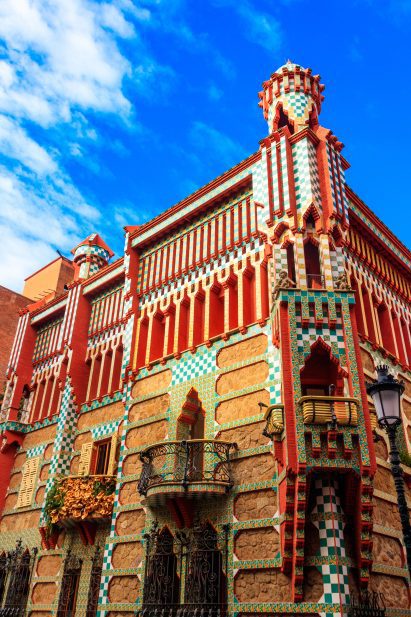
Moorish arches combined with ceramic tile decoration and exposed brick define this period. Casa Vicens, the Güell Pavilions and Palau Güell in Barcelona, along with El Capricho in Comillas, all show the combination of form and material that came to define the modernisme style, also known as Catalan art nouveau.
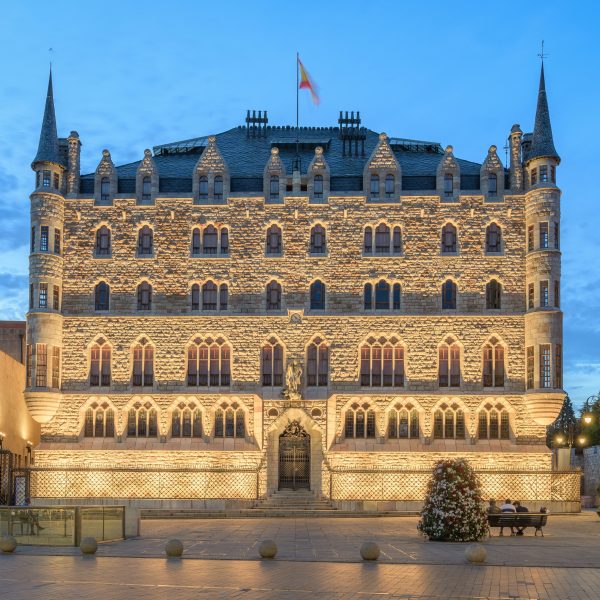
Fitting less comfortably into the archetypal vision of Gaudí-esque architecture are his neo-gothic works that followed. These buildings have a distinct style that derives from the architect’s desire to build and improve upon the ideals and forms of gothic architecture. The results are a collection of buildings that combine natural forms with stone, often with castle-like elements. One of these, the Episcopal Palace in Astorga, is even surrounded by a moat.
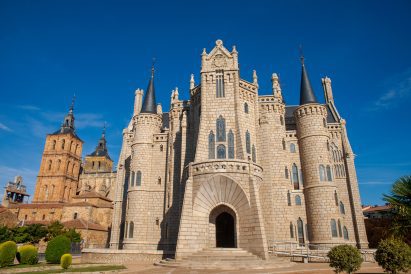
These buildings – the Teresian College and Torre Bellesguard on the outskirts of the city, Casa Botines in León, Bodegues Güell in Stiges and the Episcopal Palace in Astorga – are far less well known today.
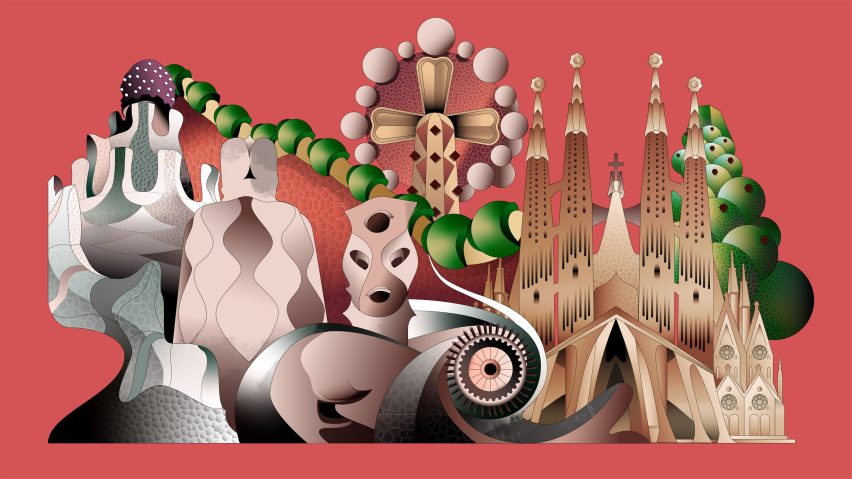
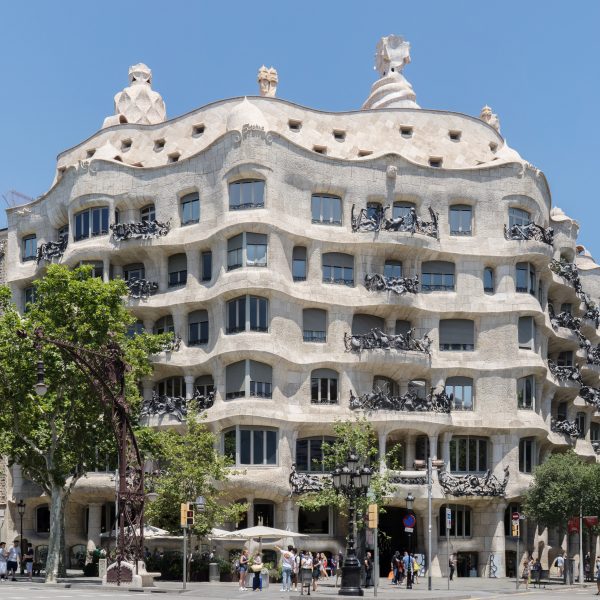
Some of the architecture that most epitomises Gaudí’s personal style is that created in his final, naturalist period. Informed by both the neo-gothic and the organic shapes of nature, these buildings demonstrate Gaudí’s fully formed individuality. Casa Calvet, Casa Batlló, Casa Milà and Park Güell are some of his most recognisable works.
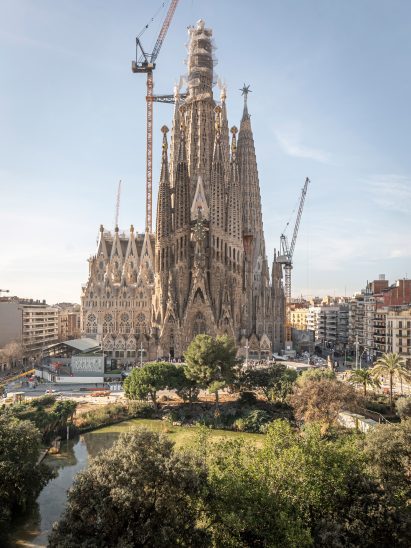
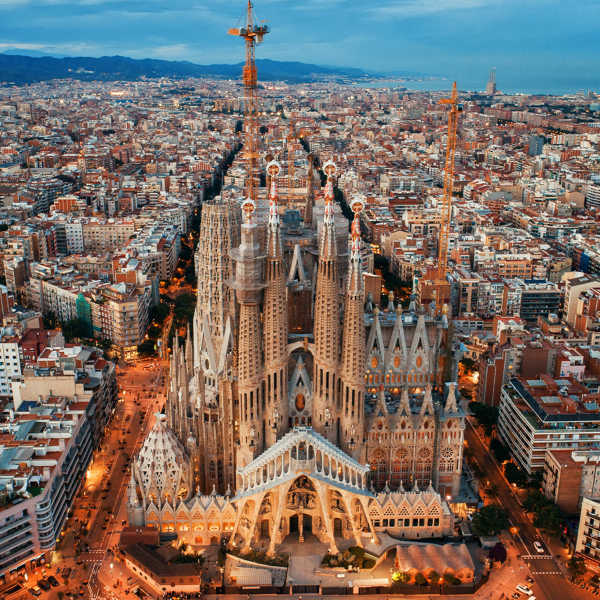
Of course, looming large over Gaudí’s career and above the city of Barcelona is the project that occupied Gaudí for the majority of his life, his masterpiece – Sagrada Familia. Given he was a devout Catholic, a trait he shared with his principal benefactor, Güell, it is fitting that Gaudí dedicated much of his life to this building.
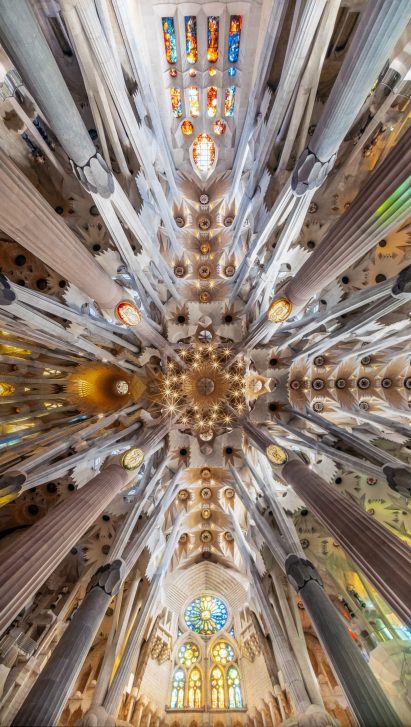
In his final decade, he was solely devoted to the project, and in 1925, he moved permanently into the building. A year later, he was leaving the site when he was fatally struck by a tram. His body still rests in the cathedral.
Truly gothic in its ambition and scale, but made from organic tree-like forms – the cathedral is a building like none other. This, of course, meant many did not enjoy it. Famously, writer George Orwell described it as “one of the most hideous buildings in the world”.
Only the crypt, apse and part of the facade were completed when Gaudí died. Construction has continued for the last century – and this month, its completion will finally mark the culmination of the architect’s legacy.
Almost incredibly, only 17 buildings designed by Gaudí were completed. Demonstrating his significance, almost half of these were protected as UNESCO World Heritage sites for their “outstanding universal value” in 1984.
However, despite his relatively limited output, of his global contemporaries practising around the turn of the 20th century – Lluís Domènech i Montaner, Otto Wagner, Charles Rennie Mackintosh and Louis Sullivan among them – Gaudí is by far the best known. His work on the Sagrada Familia looks likely to lead to him becoming the first architect to become a saint.
However, in many ways, his small group of completed buildings clustered in and around Barcelona stand as a unique moment in time. The combination of Catalan references with modern technologies was not widely replicated.
“There are no straight lines or sharp corners in nature – therefore, buildings must have no straight lines or sharp corners” is a quote often attributed Gaudí. But, as his career was coming to an end, a new type of architecture that was almost entirely straight lines was emerging.
Only three years after his death, Barcelona would witness this new architecture first-hand when Ludwig Mies van der Rohe showcased the German Pavilion at the 1929 International Exposition. Now known as the Barcelona Pavilion, this building was the culmination of the Bauhaus ideals that had been bubbling on the continent for the past decade and marked the beginning of an architectural era.
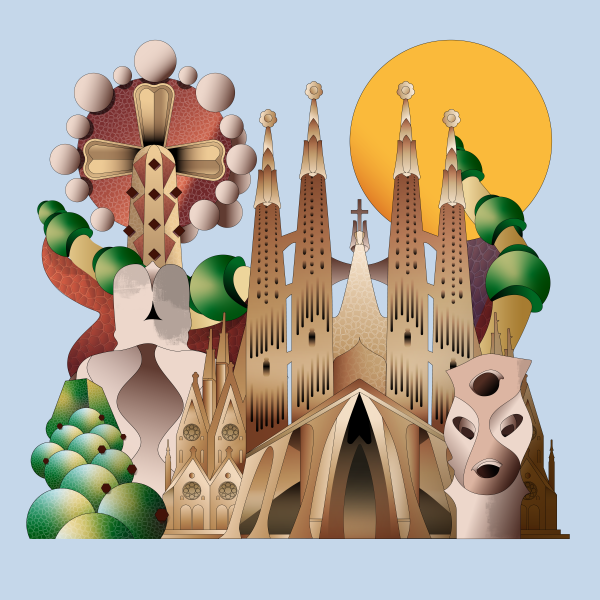
Gaudí Centenary
This article is part of Gaudí Centenary, our editorial series profiling the Catalan architect and designer Antoni Gaudí, marking 100 years since his death.
Read more
Recommended stories
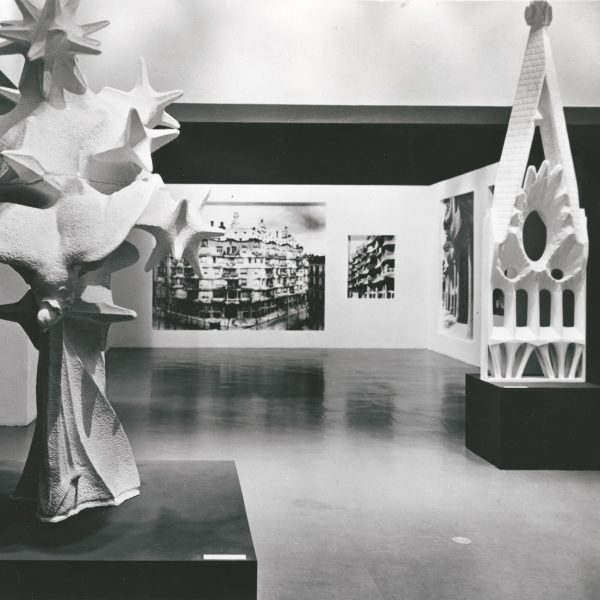
Why did Gaudí not have more of an impact on global architecture?
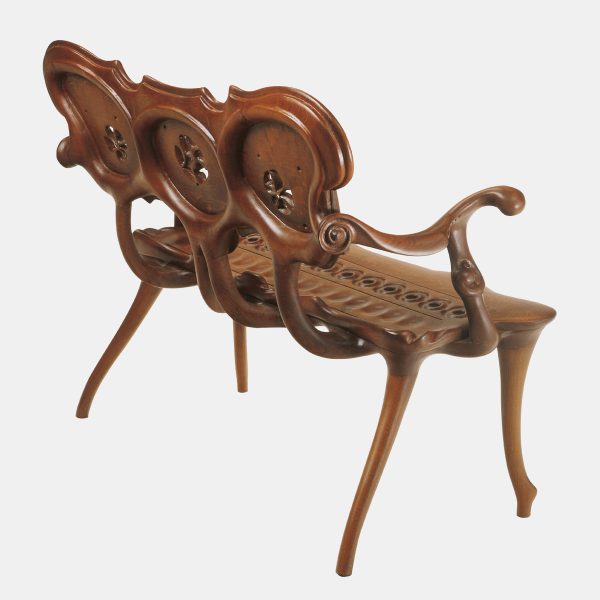
Five Antoni Gaudí furniture pieces that reveal the designer behind the architect
What makes Gaudí’s style so unique?
How Gaudí’s failed Park Güell housing estate became Barcelona’s most popular park
Seven UNESCO-listed buildings by Catalonia’s greatest architect
Gaudí’s lesser-known gothic buildings
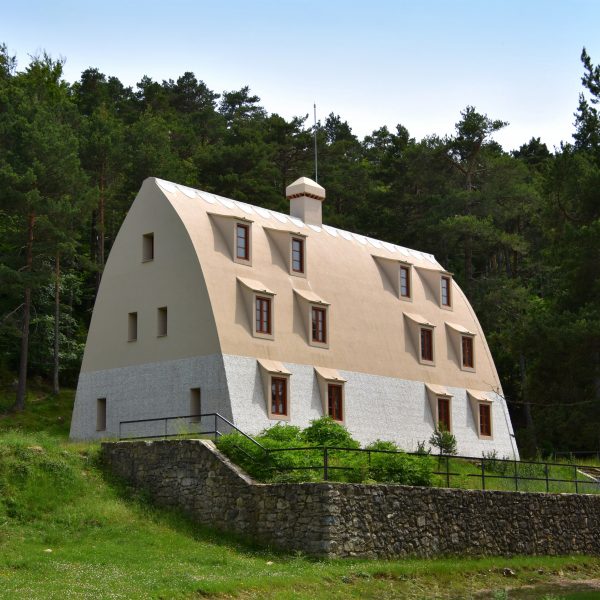
Report names Antoni Gaudí as architect of modernist Catalan chalet