


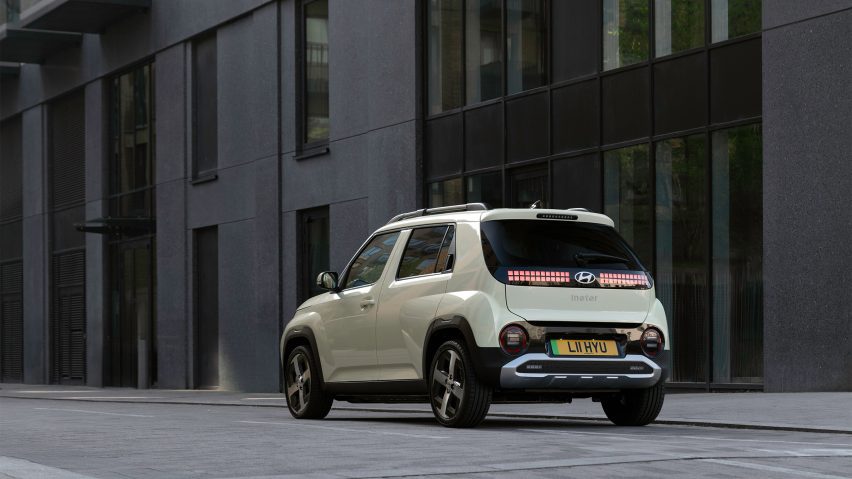
The electric vehicle market remains dominated by chunky SUVs, but some carmakers are also producing battery-powered hatchbacks that are modest in size but bold in design. Here, we round up six of the most eye-catching.
Car manufacturers continue to favour larger models for electric vehicles (EVs). They argue that the heavy batteries are more suitable for heftier cars, though some experts have also pointed out that profit margins tend to be bigger on SUVs and SUV crossovers.
But particularly in European cities, demand for more compact EVs is on the rise, with some municipalities seeking to restrict so-called "carspreading" via regulation.
As a result, we're seeing a growing group of EV hatchbacks enter the scene. Some brands have chosen simply to make electrified versions of popular combustion-engine cars – such as the Mini Cooper and the Fiat 500 – but others have taken the opportunity to experiment with a new design language.
Below, we've rounded up six production EVs that can still stand out on the street despite relatively diminutive proportions:

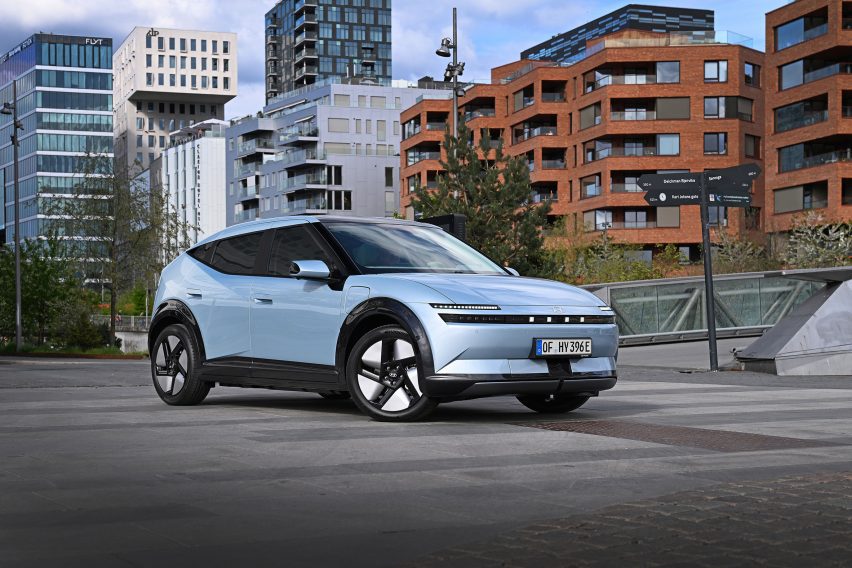
Hyundai Ioniq 3
Launched in April and due to go on sale in the UK and Europe later in 2026, the Ioniq 3 is described by Hyundai as an "aero hatch".
The brand says its swooping shape is determined by the natural bending behaviour of sheet steel.
It riffs directly off the Concept Three, unveiled in September 2025. Speaking to Dezeen at a media preview for the concept car, Hyundai Design Center head Simon Loasby said "we're due a renaissance" in small, cool cars.

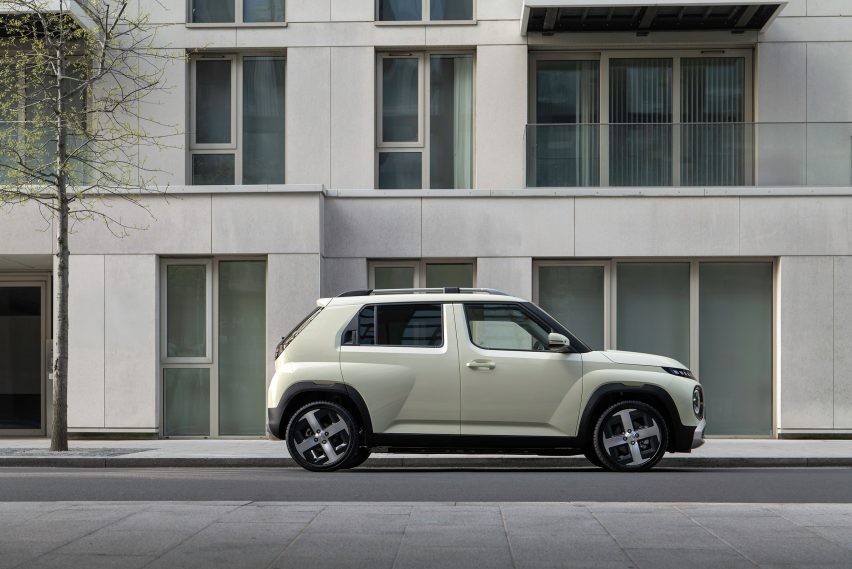
Hyundai Inster
Also from Hyundai, though not part of its Ioniq electric sub-brand, is the Hyundai Inster. Launched in 2024, the Inster is in fact an updated, electrified version of the combustion-engine Casper, which is only available in South Korea.
The four-seater is Hyundai's smallest EV. Described by Top Gear magazine as "a cheery looker without toppling into cartoonish cuteness", it makes extensive use of the Korean carmaker's favoured pixelated lighting.
Inside, the cabin is unusually colourful, with the option of patterned upholstery.
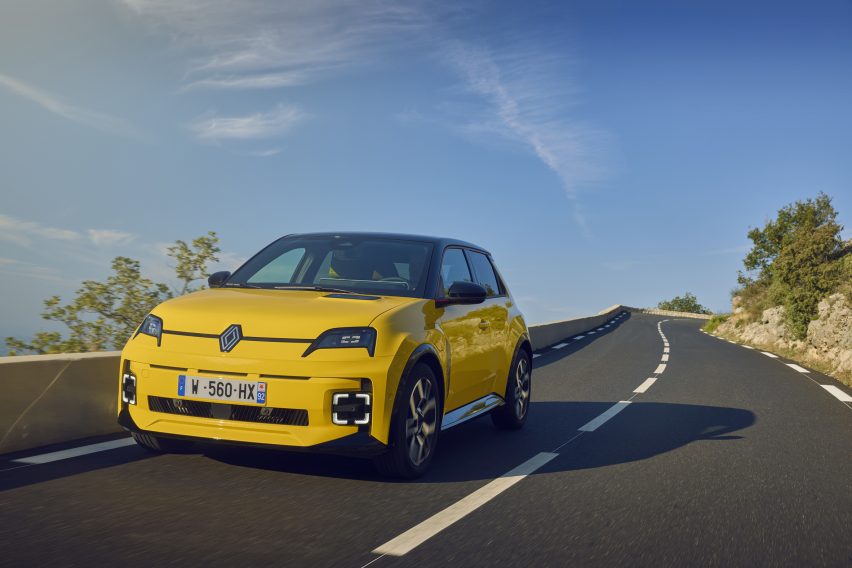
Renault 5
Hitting showrooms in early 2025, the electric Renault 5 is a modern, battery-powered interpretation of the French carmaker's classic supermini.
It retains the distinctively angled rear hatchback of the original, which Renault produced from 1972 to 1996.
Other references to various versions of its ancestor can be found in the rear lights, the wheel arches, the bonnet vent and the dashboard.
Contemporary design twists include the A-shaped headlights and their four-cornered motif, which is repeated on the foglights and the dashboard vents.
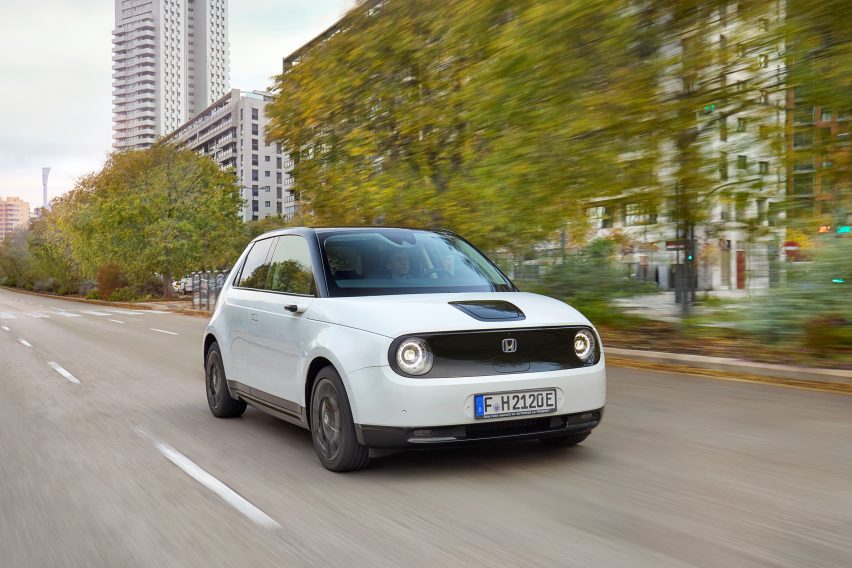
Honda E (discontinued)
The Honda E arguably kicked off the current wave of design-forward small EVs, having been released in March 2020.
Reminiscent of the work of former Apple chief design officer Jony Ive, its emergence generated significant buzz in the car world.
But despite winning a clutch of awards it sold poorly, with reviewers bemoaning a high price point and limited range, and was ultimately discontinued by Honda in January 2024.

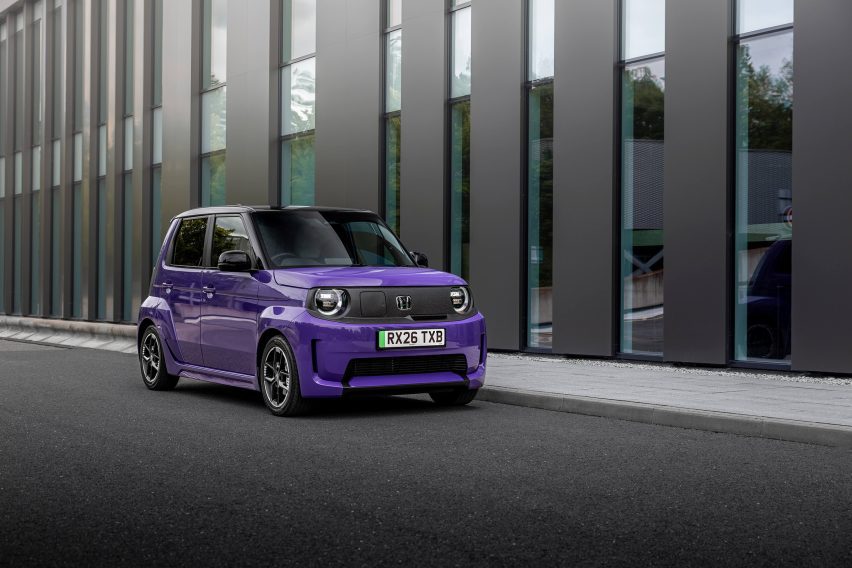
Honda Super N
The Honda E's effective replacement, and a reset of the Japanese manufacturer's entire approach to EVs, is the Super N.
Recently going on sale in the UK, it's a slightly sportier version of the N-One E, which launched in Japan in September 2025.
The Super N is pitched as a super-affordable option, and is in the distinctive boxy, compact style of Japan's kei cars.
Notable touches include colourful seats and simulated engine sounds and gears.

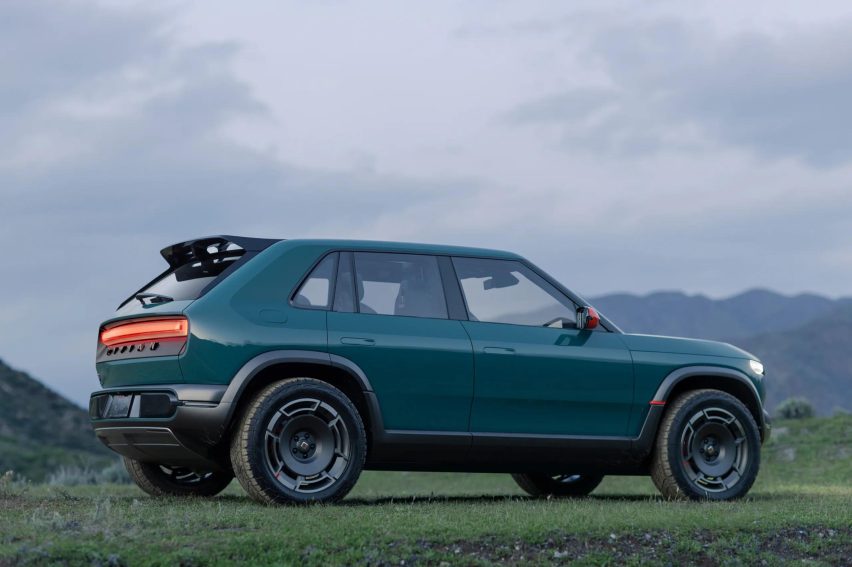
Rivian R3
The R3 is a much-hyped upcoming model from California-based EV company Rivian.
It's the only car on this list planned for availability in the US, though with no confirmation yet on when it will appear in showrooms.
Production is contingent on completion of the brand's new factory in Atlanta, Georgia, which is expected to open in 2028.
While definitely small for an American EV, the R3 will be bigger than it looks in photos. Rivian CEO RJ Scaringe has described it as "a crossover meets an SUV, meets a hatch, meets a wagon, meets a bunch of things".
The R3 will retain Rivian's distinctive face, while the brand's chief design officer, Jeff Hammoud, has claimed that its hatchback shape was inspired by 1980s rally cars such as the Audi Quattro and Lancia Delta Integrale.