


As a wealthy nation, Norway has a responsibility to tackle climate change by developing a nature-first approach to designing buildings, Oslo Architecture Triennale director Line Ramstad tells Dezeen in this interview.
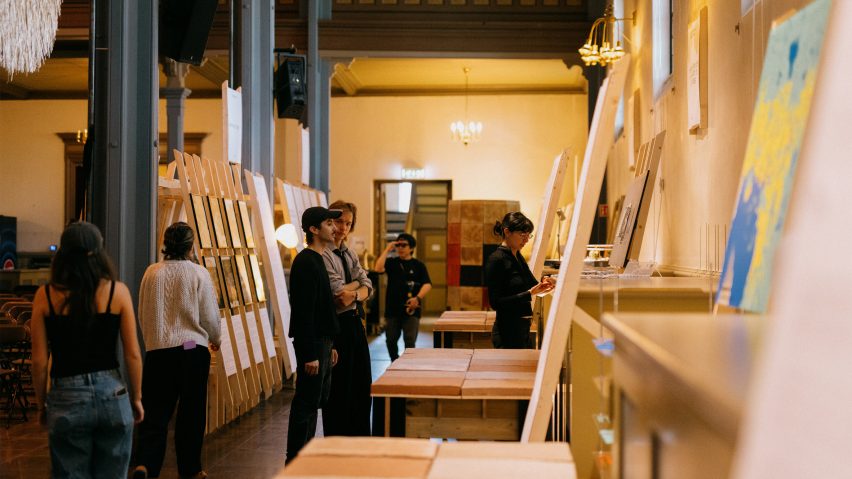
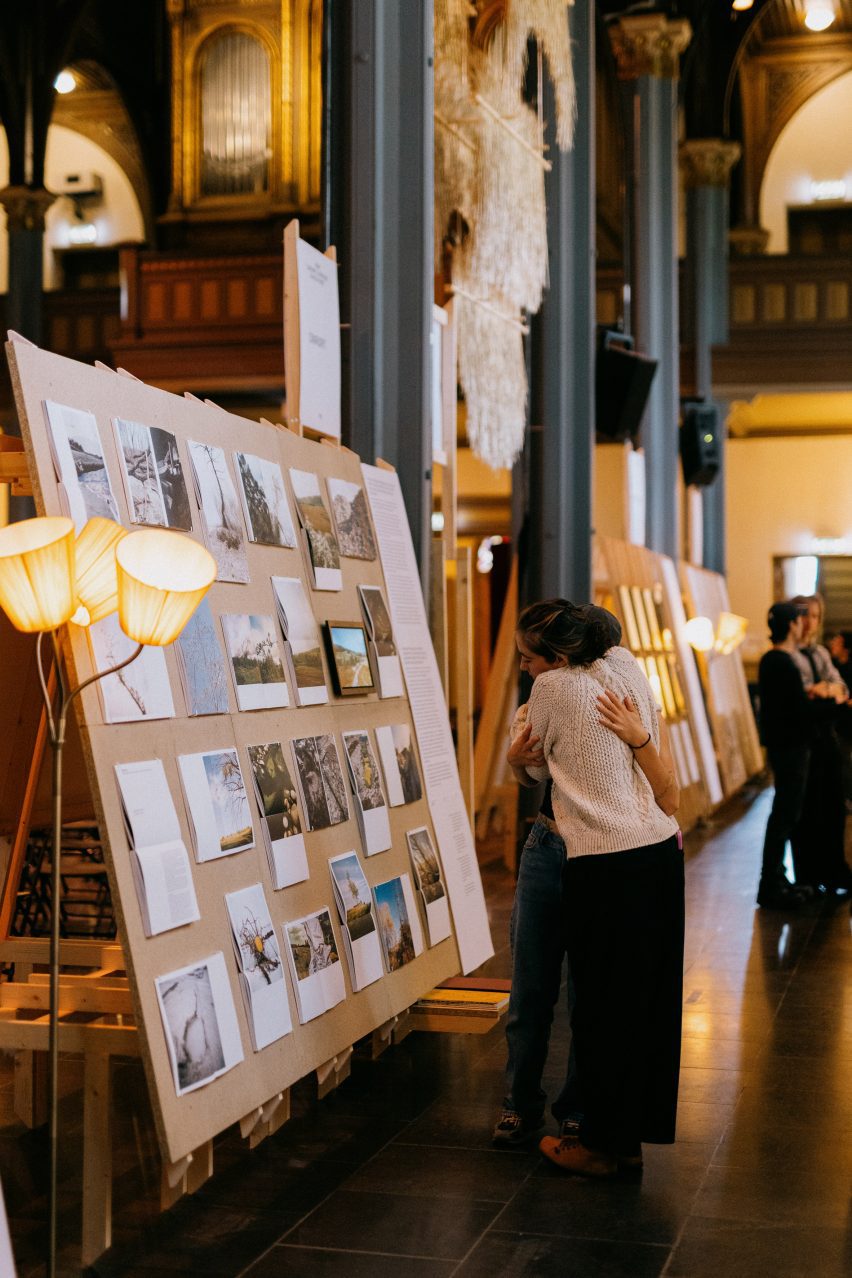
At this year's Oslo Architecture Triennale, built environment professionals and the general public gathered at Oslo's Sofienberg Church to discover architects' visions for prioritising nature through materials, design and planning.
Ramstad believes this discussion is long overdue.
"For a long time, we have needed to put nature first, but we are coming to a point where we can no longer close our eyes to it because otherwise there will be no future," she told Dezeen. "We need to take into consideration our position in the building industry and our ability to see solutions."
"Our green way of doing things is not really green"
Ramstad, a landscape architect from Norway, argued that the construction industry's current sustainability goals aren't doing enough to reduce carbon emissions and that a more circular, holistic approach to design is essential.
"We have started to talk about climate in our projects and our businesses, but we have tried to solve it within the system that created them, and more of the same doesn't solve anything," she said.
"Our green way of doing things is not really green. We lack the holistic thinking around this."

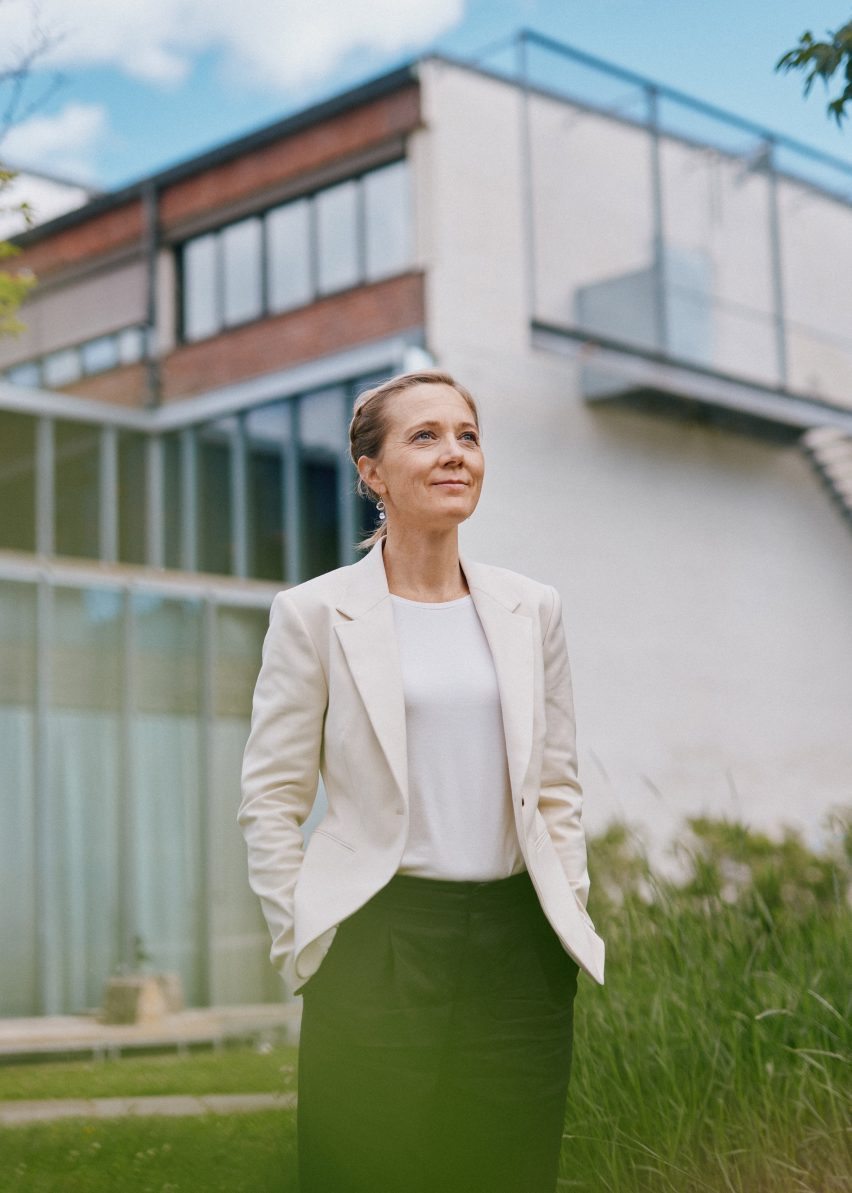
Norway in particular needs to confront its contribution to global warming, said Ramstad. She hopes that this year's Oslo Architecture Triennale will draw greater attention to the work required to mitigate the effects of climate change.
"Norway is a wonderful place to live – it's a rich country, but there's not that much willingness to change because things are going okay," said Ramstad.
"Having the triennale here is important for Norway to discuss internally what can be done – how can we shift our linear society to a circular one? Are there examples? Yes. Do we act within the system in a way that creates change? No."
"It's an important topic everywhere, but it's especially important here because we don't feel the consequences [of climate change] as directly as other places in the world," she continued. "It's time Norway realises that we also need to change."
One project presented at the triennale exhibition that tackles Oslo's natural and built landscapes is General Plan 2.0 by Sigrid Legernes Teigen and Greta Gleisner Birkeland. It criticises years of building over historic waterways, which has contributed to increased flooding, and proposes a city plan that grows alongside the water.
"It's impressive what Sigrid and Greta have done," said Ramstad. "When rivers and wetlands become something we can build on, that's crazy."
"That's not putting nature first, and nature's natural forces will work against us, so what if we work with nature and plan our cities accordingly?"

Ramstad credits her fierce advocacy for designing with, not against, nature to her upbringing on a farm and her grandmother, who was a feminist and environmentalist.
In 2009, Ramstad founded non-profit architecture group Gyaw Gyaw and spent 15 years living on the Myanmar-Thailand border constructing buildings with local communities. It was here that her understanding of the effects of altering natural landscapes for construction crystallised.
"The results of our actions are so clear there," said Ramstad. "We built with local colleagues who have this closeness to what they're doing that we have lost a little here."
"Moving back to Norway was challenging after years of living in my jungle bubble."
"I have always had a sustainable approach, but coming back and meeting the reality in Norway, I was a little bit like, oh my God, we've gone far away in just 15 years," she continued. "We removed ourselves a lot from what my grandparents used to do."
"This triennale has made me more hopeful"
Although Ramstad's ambition of a nature-first future in the built environment sounds like a utopian dream, the work collected in the triennale has left her optimistic that this could one day be a more commonplace reality.
But, she acknowledged that systemic change in the industry is needed for architects' ecological proposals to become built projects.
"Working with this exhibition and this triennale has made me more hopeful than I was before because there is a great movement into thinking more holistically and circularly," said Ramstad.
"Architects are very concerned about [putting nature first], but when the system around an architect is not, it requires a lot for that office to implement a change by themselves."
"I hope that conversations here can inspire people to at least try, to get someone on board, see good examples and think, 'They did it there, so we can do it here'. We will make it, step by step."
The photography is by Julie Hrncinova of Abrakadabra unless stated.
Oslo Architecture Triennale takes place from 17 September to 1 October at Sofienberg Church in Oslo, Norway. See Dezeen Events Guide for more architecture and design events around the world.
Dezeen In Depth
If you enjoy reading Dezeen's interviews, opinions and features, subscribe to Dezeen In Depth. Sent on the last Friday of each month, this newsletter provides a single place to read about the design and architecture stories behind the headlines.