What makes Gaudí's style so unique?
As part of our Gaudí Centenary series, this video produced by Dezeen Studio explores the key influences, ideas and techniques that shaped Antoni Gaudí's distinctive architectural style.
More than a century after his death, Gaudí remains one of architecture's most recognisable figures, known for a highly distinctive body of work that continues to shape Barcelona's identity
Although his buildings remain widely admired, his architectural style has rarely been directly imitated. Many of the experimental forms and techniques he explored would not become commonplace until decades later.
Across a career spanning almost 50 years, Gaudí experimented with a range of styles, yet several defining characteristics can be traced across his architecture.
Gaudí is often quoted as saying "the great book, always open and which one must make every effort to read, is the book of nature," and his reverence of the natural world is one of the defining features of his work.
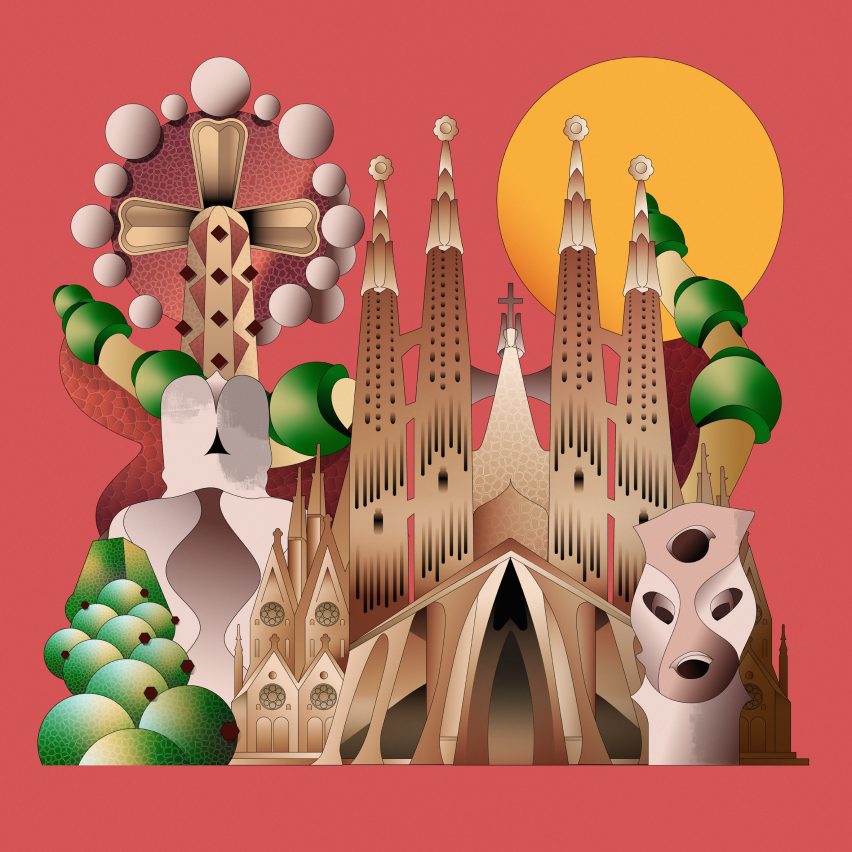
One example can be found in the Sagrada Família basilica, where towering columns were designed to resemble trees, featuring branching leaf canopies, sequoia trunks and the double twist of oleander flowers.
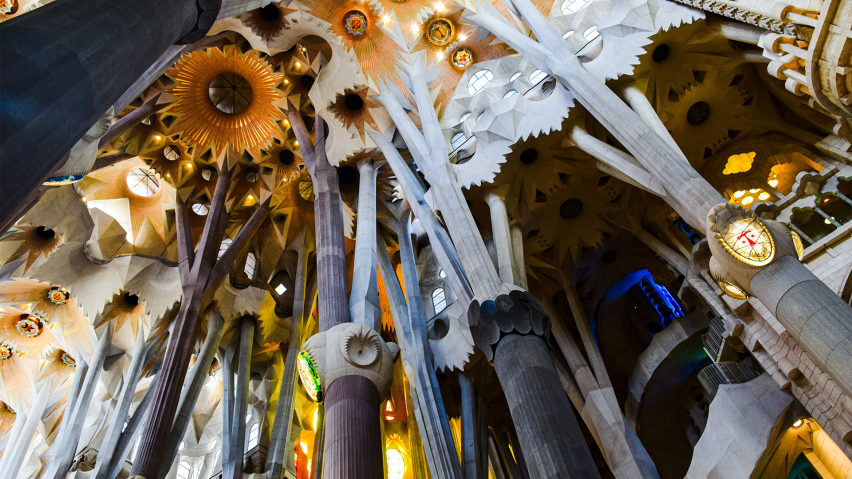
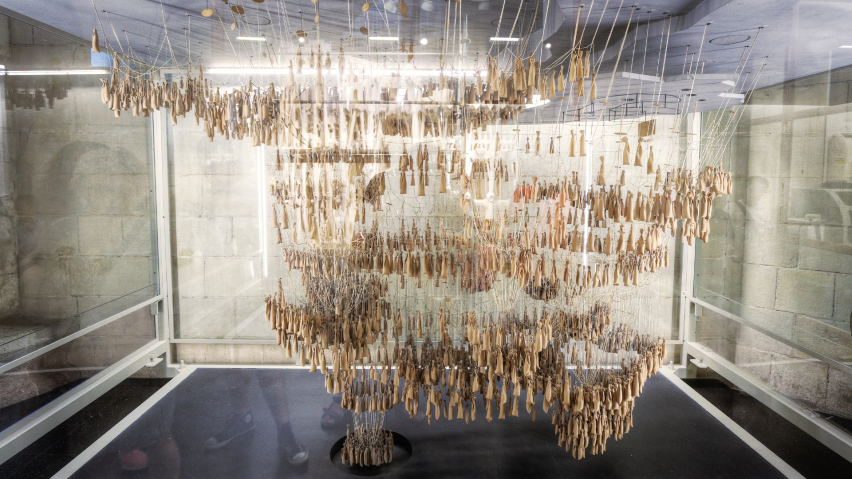
But his study of nature went beyond visual references and extended into the mathematical structure of his buildings.
Gaudí often used complex naturally occurring forms such as catenary arches, helicoids, hyperboloids and fractals, making him notably ahead of his time in doing so.
The use of this kind of organic forms would not become widespread until decades later, with the emergence of computer-aided design tools. The Parametricism movement, which later embraced similar geometries, was not named until 2008.
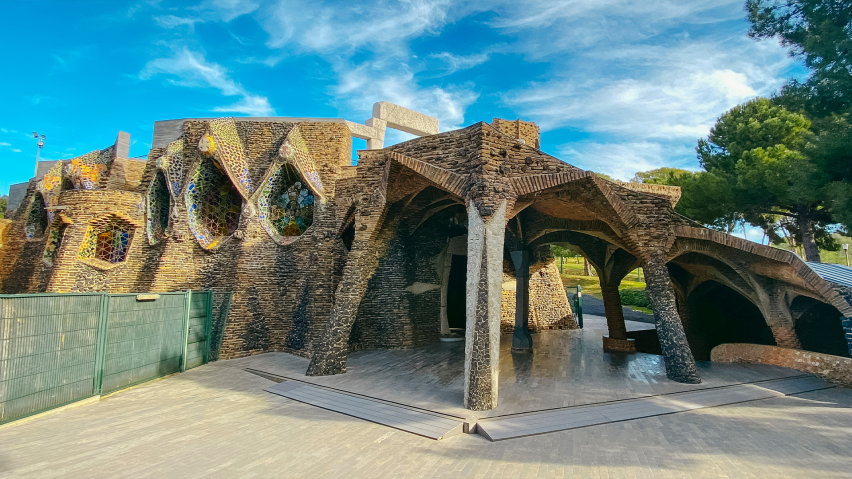
While Gaudí's work is often divided into distinct stylistic periods, gothic architecture remained a lasting influence throughout his career.
This can be seen particularly clearly in projects such as the Episcopal Palace in Astorga bishop's residence and the Torre Bellesguard residence, which offer an almost fairytale interpretation of Gothic architecture.
But Gaudí was not interested in simply reproducing the style. Instead, he sought to develop it further and, in his own view, perfect it.
Gaudí's work is also notable for its exuberant use of colour and ornamentation.
One of the most recognisable aspects of his style is his use of mosaic and ceramic tiles, often arranged in bright patterns and contrasting colours.
Once again, nature provided a source of inspiration for Gaudí. At Casa Batlló, for example, the roof's ceramic tiles create the appearance of shimmering reptile or fish scales.
Spain's Muslim architectural heritage was also an important influence on Gaudí's work.
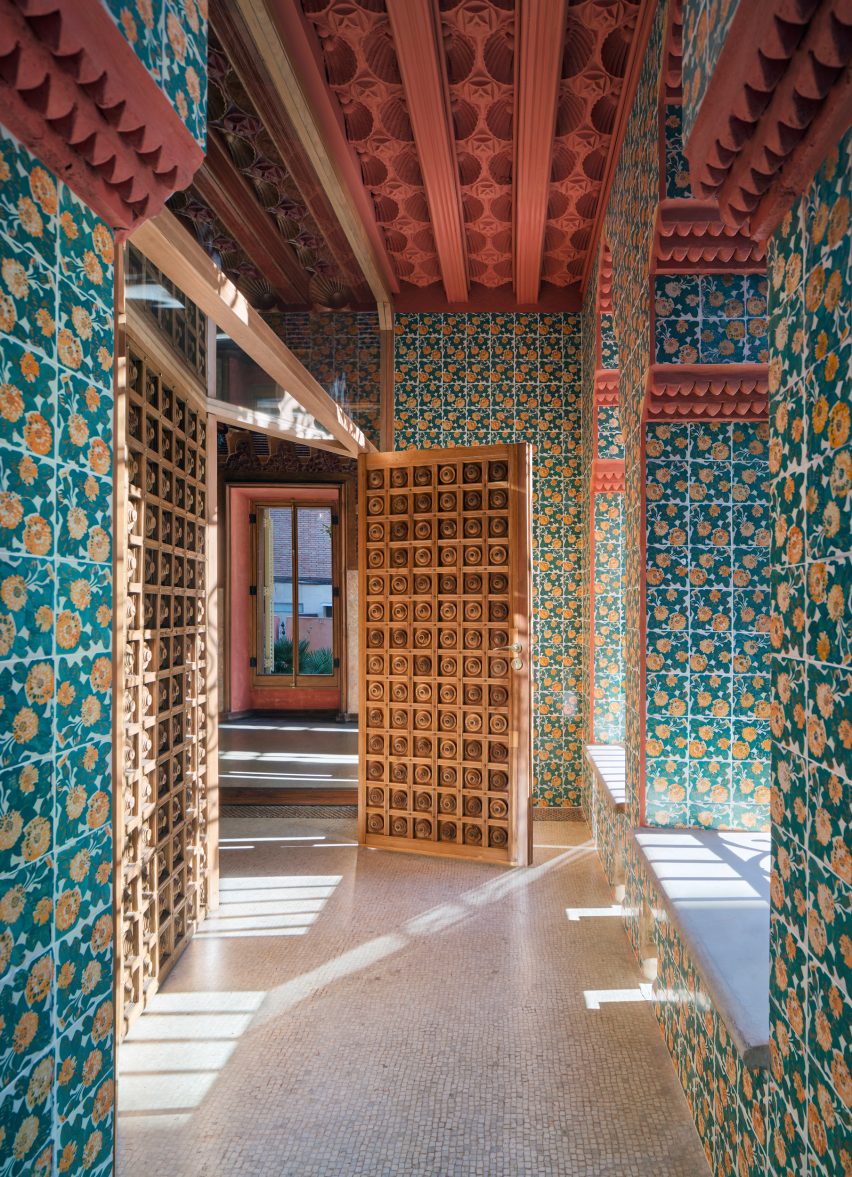
Gaudí drew on the Arabic-Andalusi use of intricate ornamentation, geometric patterns and ceramic tilework, intensifying these elements through vivid colour and expressive forms.
Decorative elements like arches, domes and towers also appear throughout his buildings.
He also drew on Persian and Indian architecture and design, reflecting an Orientalist fascination that was common in European arts and design at the time.
Gaudí's innovations in style and technique left a lasting impact on architecture that endured long after his death and helped define Barcelona's modern image.
This video is the latest in a series of Dezeen Studio-produced videos exploring design and architecture history. Previous instalments covered everything you need to know about art deco and the most iconic mid-century chair designs in history.
Video produced and edited by Francesca Tesler
Gaudí Centenary
This article is part of Gaudí Centenary, our editorial series profiling the Catalan architect and designer Antoni Gaudí, marking 100 years since his death.