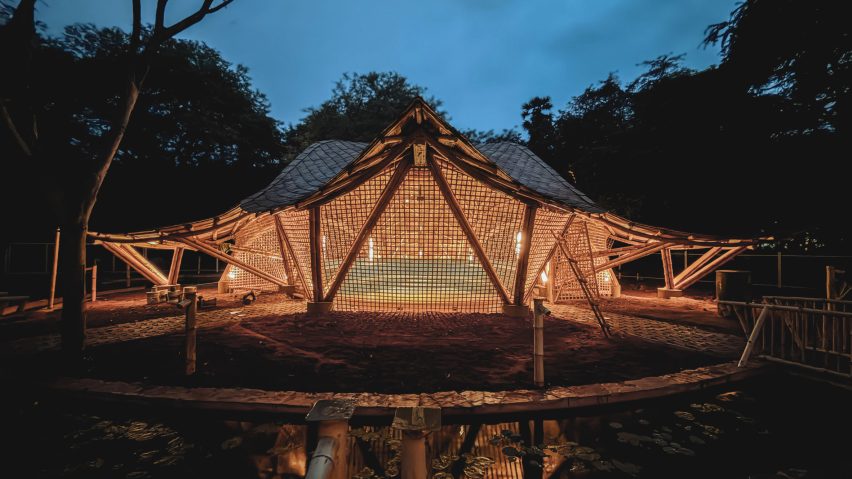
Sculptural music centre shows bamboo as "a serious construction material"
Dramatic bamboo vaults form a series of teaching and research spaces at Maestro Ilaiyaraaja Centre for Music Learning and Research, completed by Indian studio Ekarth Studio in the state of Tamil Nadu.
Located on the 250-hectare IIT Madras university campus in Chennai, the centre comprises a series of bamboo pavilions used by student musicians, engineers and mathematicians, primarily for music-related research.
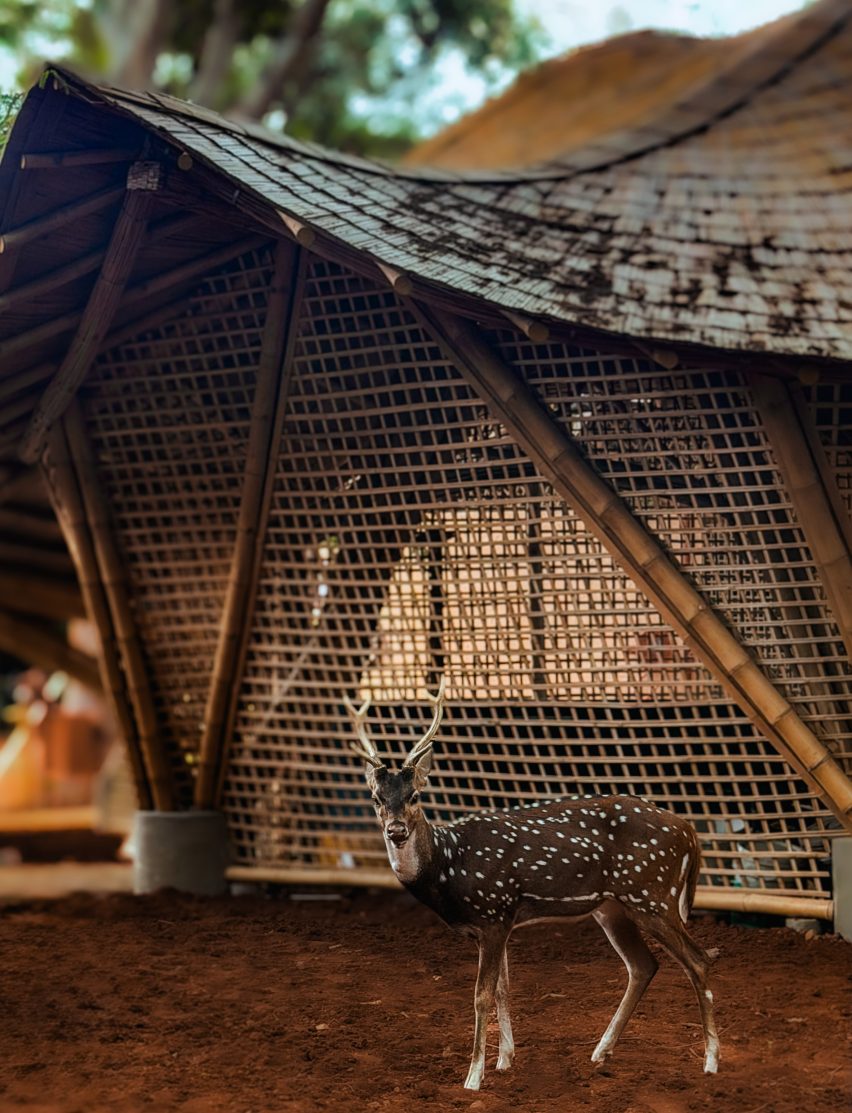
Ekarth Studio designed the centre to prioritise sustainable materials and minimise the use of concrete, with bamboo used as the primary material.
As bamboo is a fast-growing grass species that grows abundantly, quickly and cheaply around the world, the studio believes it is well-suited to architecture.
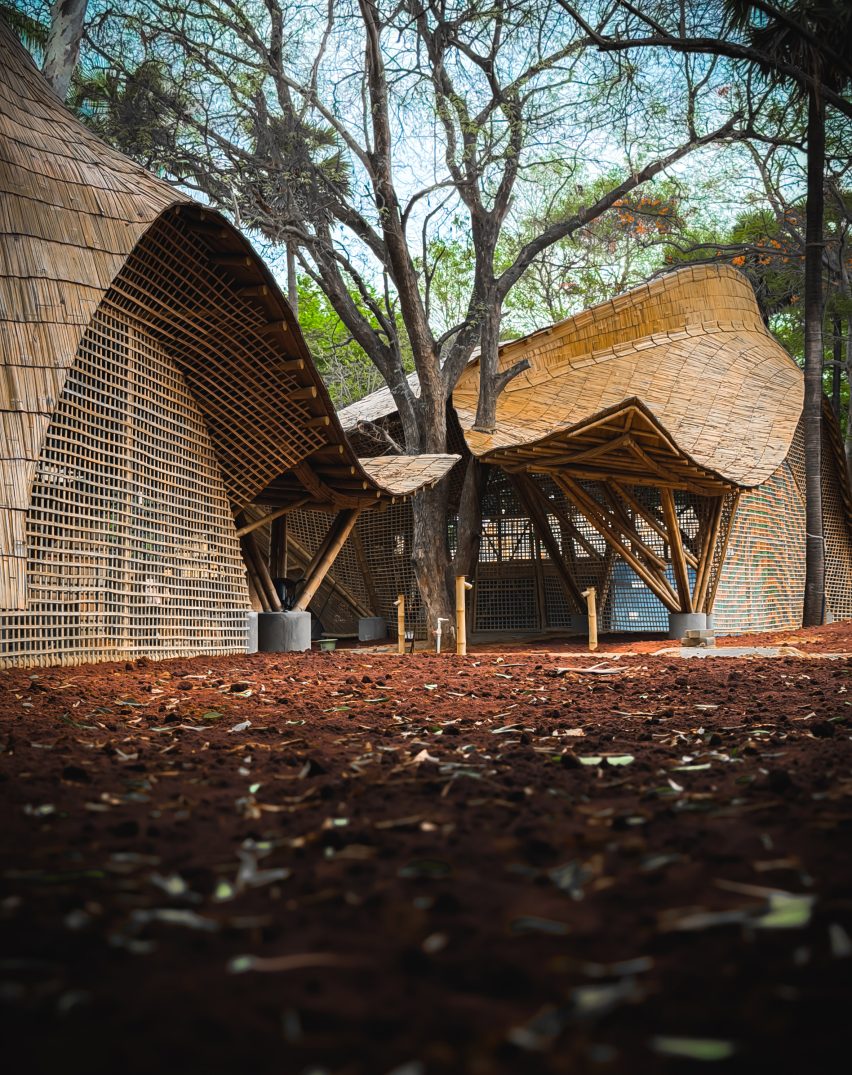
"The vision called for a contemporary institutional building constructed predominantly from natural materials, with bamboo forming the primary structural system," Ekarth Studio told Dezeen.
"This challenged conventional approaches to institutional architecture and presented an opportunity to create a building in which the architecture itself reflects the centre’s larger values, including innovation, environmental responsibility, material research and interdisciplinary thinking."
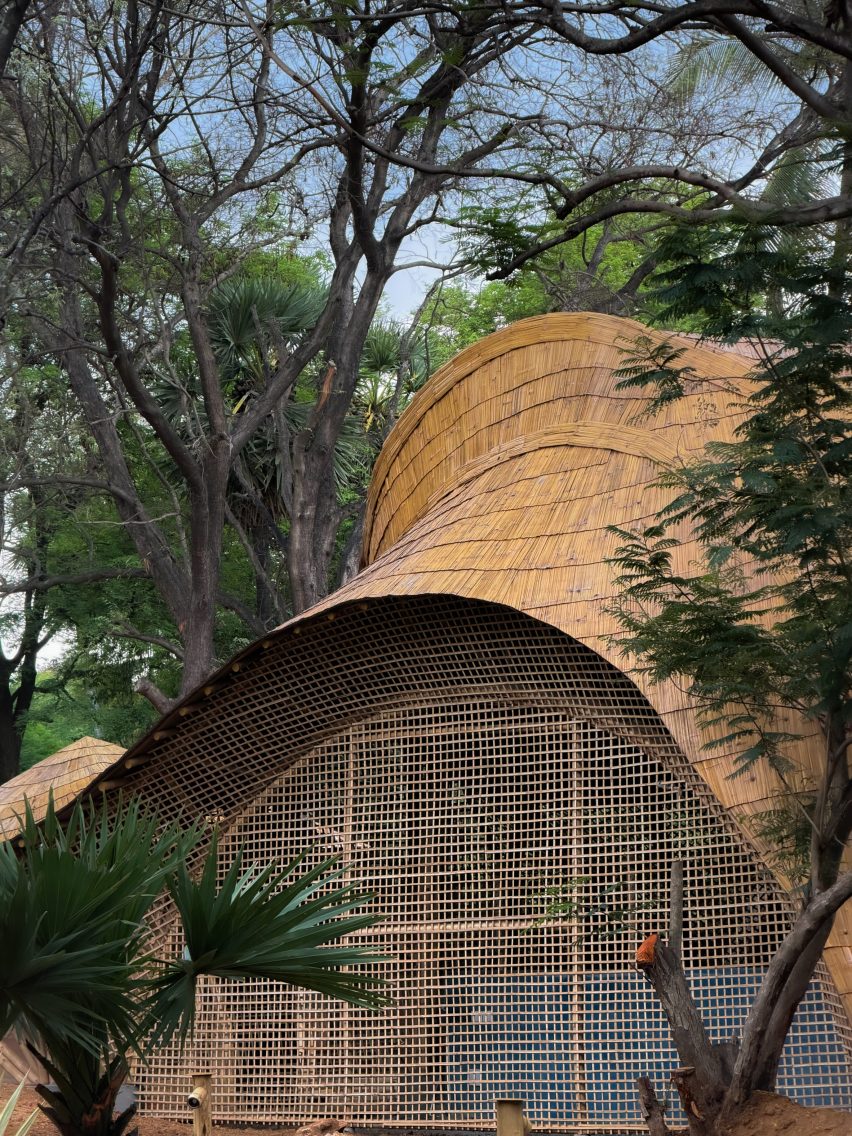
Dedicated to one of India's most famous composers, Shri Ilaiyaraaja, the centre is used for music research as well as teaching, rehearsing and gathering.
Ekarth Studio hopes that the Maestro Ilaiyaraaja Centre for Music Learning and Research could help draw attention to the potential of bamboo in architecture, moving it "from the fringes into the mainstream of the building industry".
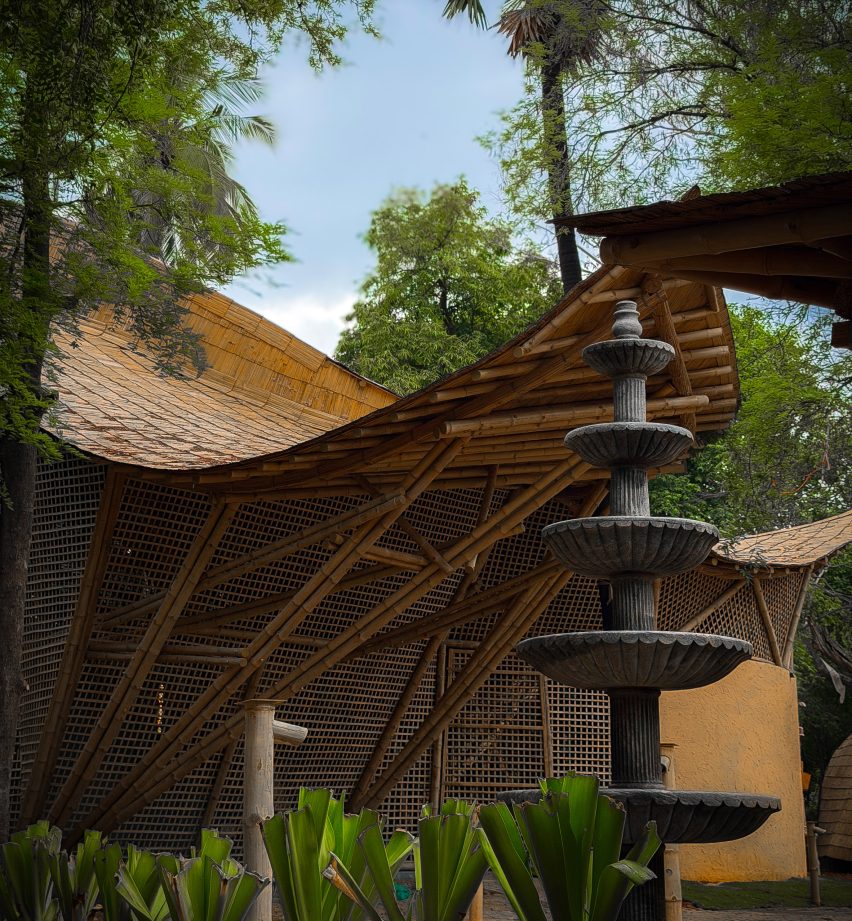
"For decades, bamboo has been perceived as a 'poor man's timber'," explained the studio.
"By demonstrating that bamboo can deliver structural strength, complex geometry, large spans and contemporary architectural expression at an institutional scale, we hope the centre can serve as a living example for the architecture community and encourage a wider adoption of bamboo as a serious construction material," it added.
"Bamboo enabled the complex geometry to be executed within a highly compressed timeline, allowing the entire project to be completed in just 11 months."
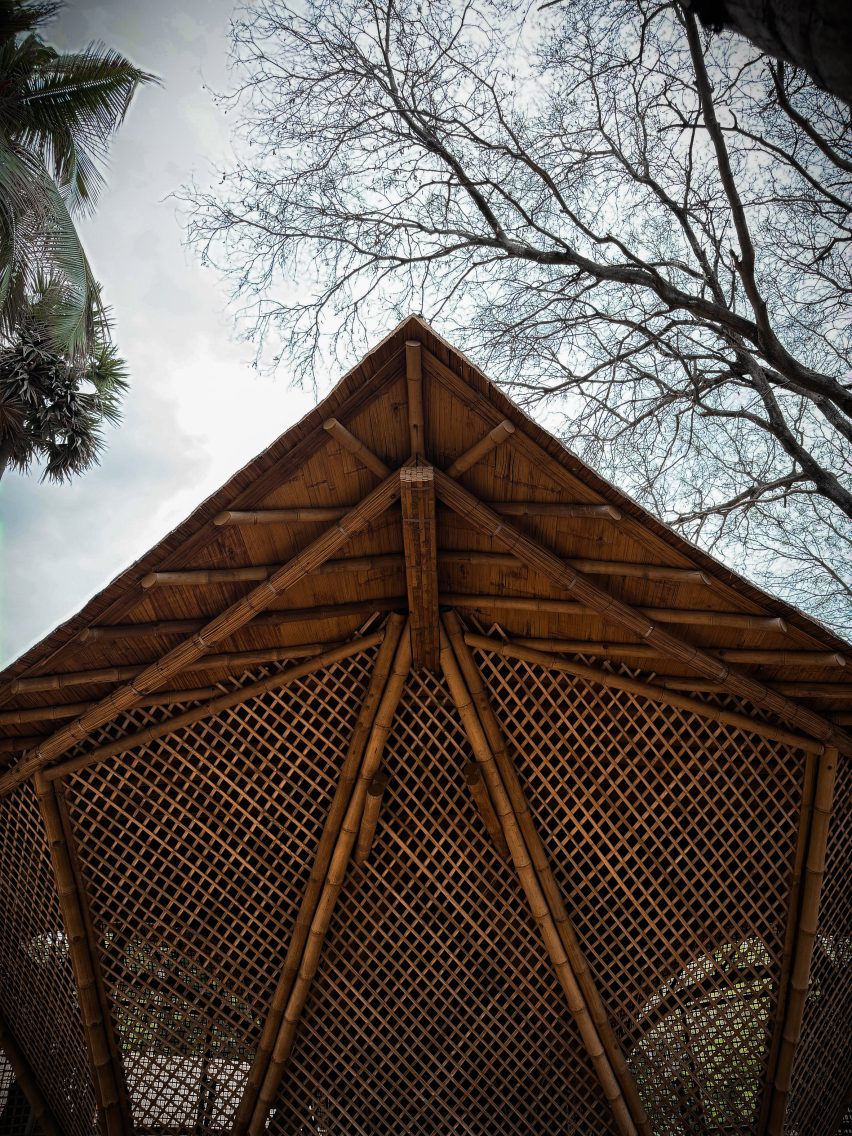
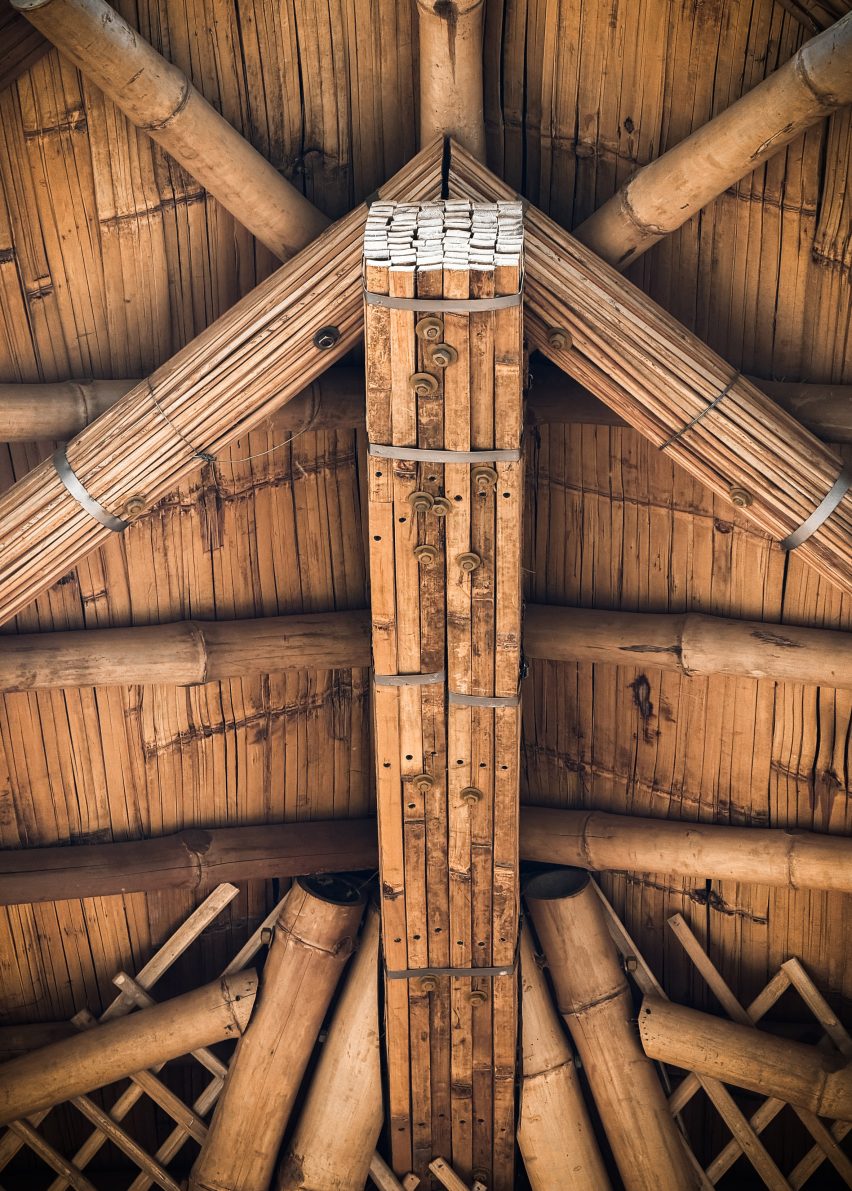
The Maestro Ilaiyaraaja Centre for Music Learning and Research is made from various forms of bamboo, ranging from engineered versions to cane bundles, crafted over 11 months and left exposed.
"Skilled artisans carried out the splitting, bending, bundling and joining primarily with basic carpentry tools, while structural engineering refined these processes to meet the requirements of a long-span institutional building," said the studio.
The individual pavilions each have sculptural forms modelled on the Bel Patra – a three-lobed leaf from the bael tree, which is sacred in Hinduism and traditionally associated with sound and movement.
This has given rise to a series of sweeping canopies that provide a mix of open and sheltered areas.
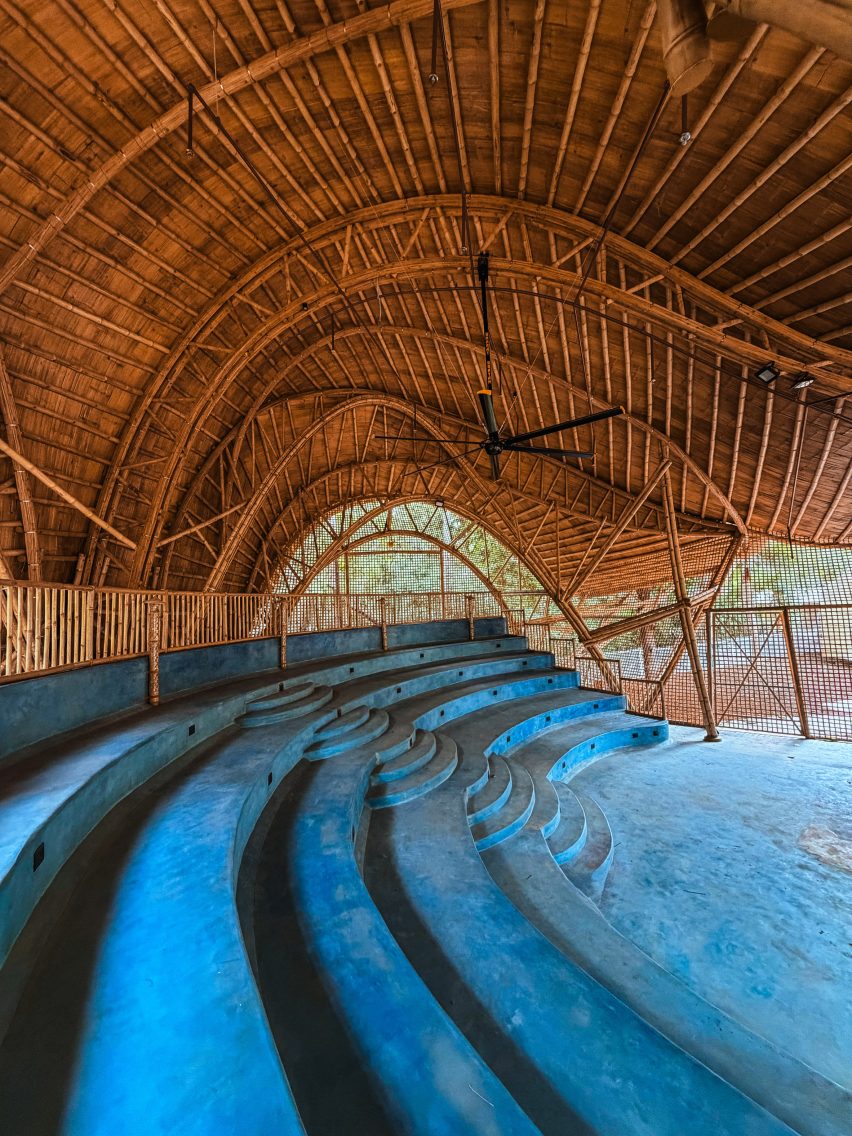
The centre's heart is an 80-seat auditorium with nine-metre-high arches and a column-free span of 15 metres.
Alongside the auditorium are two 20-seat classrooms, a 50-seat classroom, a music recording studio, office facilities and toilets. Throughout, the exposed bamboo is complemented by lime-based finishes, earthen surfaces and natural-fibre roof tiles.
Other projects recently featured on Dezeen that make use of bamboo include The Pangolin Shield, a pavilion showcased at London Design Festival that explored Britain and India's colonial history, and a seaside pavilion in Kerala that The Purple Ink Studio modelled on ship sails.
In an interview with Dezeen, Atelier One engineer and bamboo expert Chris Matthews said the material will "be a major player" in future of architecture.
The photography is by Ekarth Studio.