Edible water bottle replaces
plastic with algae
A group of London-based industrial designers have created an edible water bottle using algae and a technique popularised by El Bulli chef Ferran Adria.
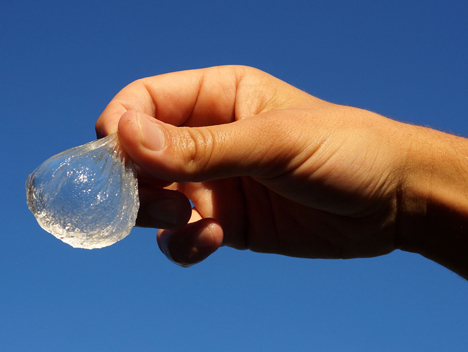
The Ooho, created by Rodrigo Garcia Gonzalez, Pierre Paslier and Guillaume Couche holds water inside a transparent membrane that can be made in a variety of different sizes.
The edible balloon is made using a technique called spherification, a method of shaping liquids into spheres first developed by scientists in 1946, which captured the public imagination when used in recipes at Adria’s restaurant in Spain.
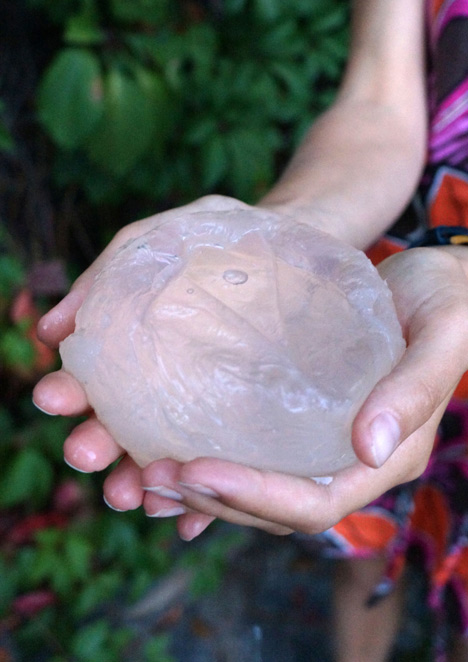
To create The Ooho, water is frozen and then placed into a solution containing calcium chloride and brown algae. When the frozen water is introduced, the calcium solution causes the outer layer of water to form a thin, flexible skin.
The result is a package that is, “simple, resistant, hygienic, biodegradable and even edible,” the designers said in a statement.
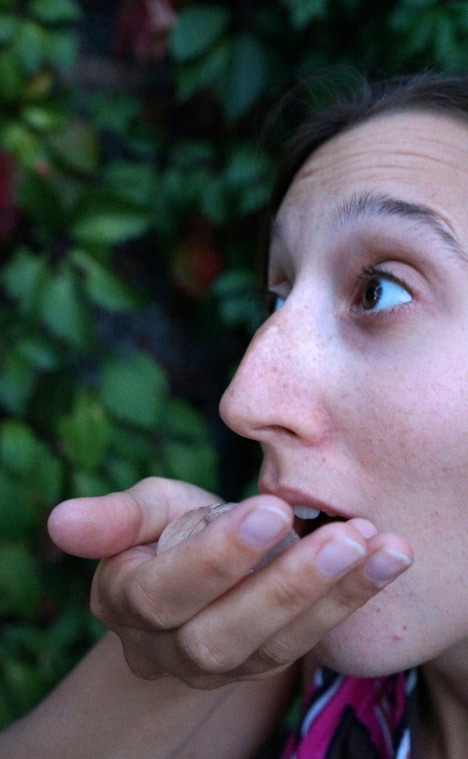
To drink from the Ooho, a user simply applies light pressure to the sphere causing the water inside to burst through.
The technique can also be used to incorporate edible labels, sandwiched in between two gel layers.
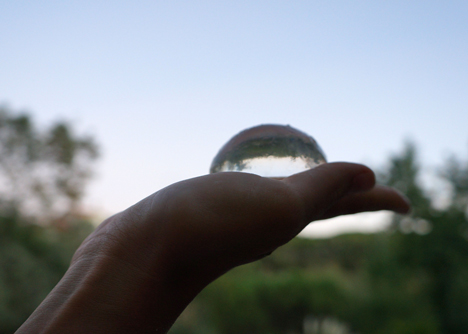
The designers believe that the technique could be used to replace traditional plastic water bottles entirely, with each Ooho costing around a penny to make.
The Ooho is one of 12 winners of the second annual Lexus Design Award and is due to go on sale in Boston later this year. It will also be on display in Milan next month.
Read more
Recommended stories
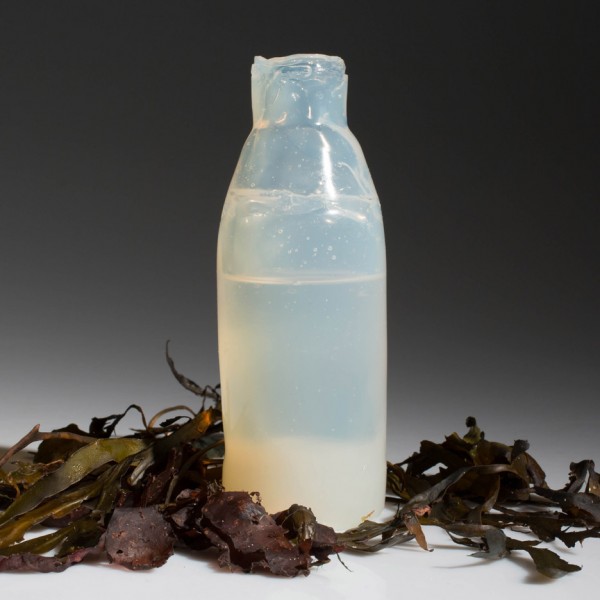
Ari Jónsson uses algae to create biodegradable water bottles
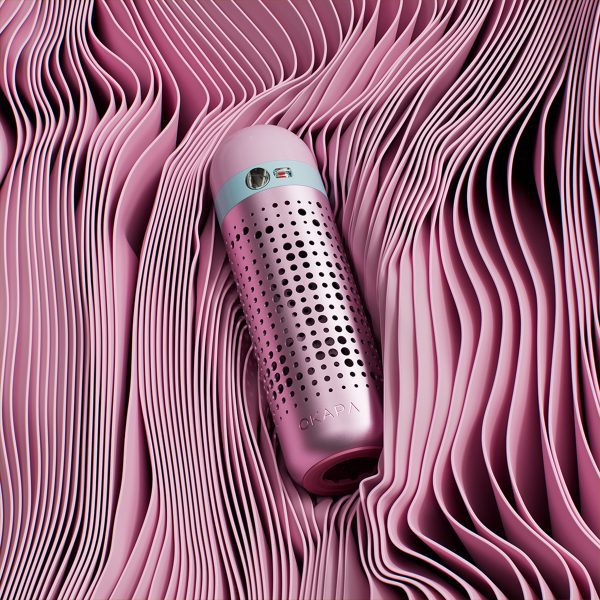
Okapa explains engineering behind “medical-grade” water bottle in exclusive video
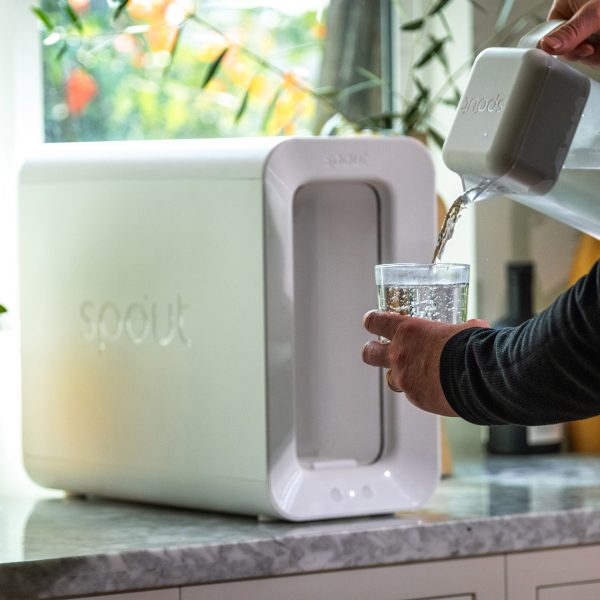
Spout home appliance transforms air into “pure drinking water”
London Marathon offers edible seaweed drinks capsules as alternative to plastic bottles
A/D/O launches Water Futures research programme to develop better designs for drinking
OlssønBarbieri designs Snåsa water bottle and visual identity
Virgil Abloh designs recycled plastic water bottle as emblem of Evian’s circular ambitions