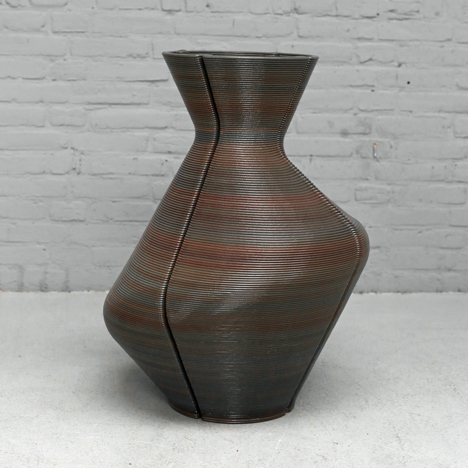
Graduate shows 2016: Central Saint Martins student Charlotte Nordmoen has designed a robotic potter that anticipates a time when human labour is no longer needed (+ movie).
The prototype device has a “human finger” made from silicone attached to a mechanical arm. The implement is used to shape clay in much the same way a real finger would.
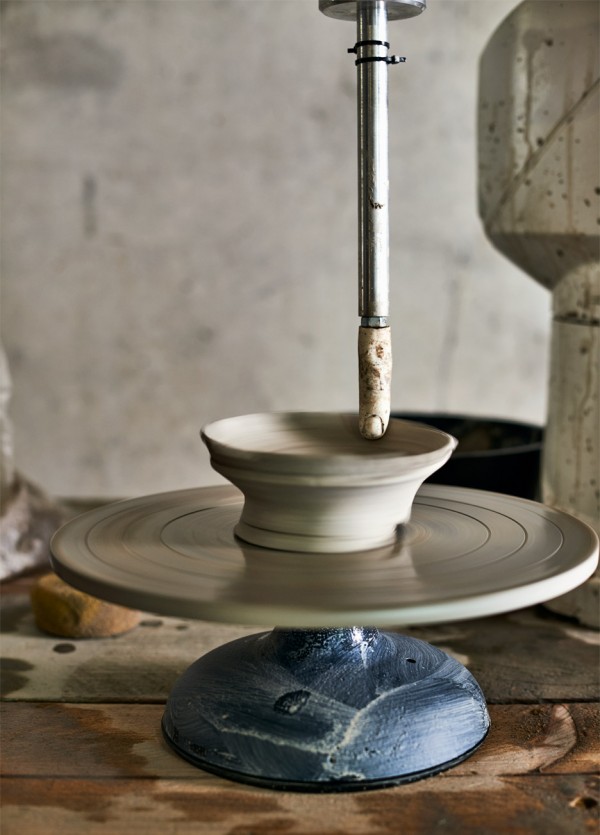
The system relies on a design programme that uses machine learning and an algorithm to generate its own creations.
The software gathers images of vases online and interprets their outlines as basic, common shapes to create a “DNA of vases”.
It then combines features together to create a new vase that mixes contrasting traits from different designs. Currently the robot has no feedback mechanism, however, so it’s unable to learn from mistakes or improve on its designs.
“The project isn’t meant as a serious proposal to put potters out of work, rather as a way of asking questions,” Nordmoen told Dezeen.
The designer has developed the robot so it only needs to rely on people for “menial tasks” like preparing clay and performing maintenance.
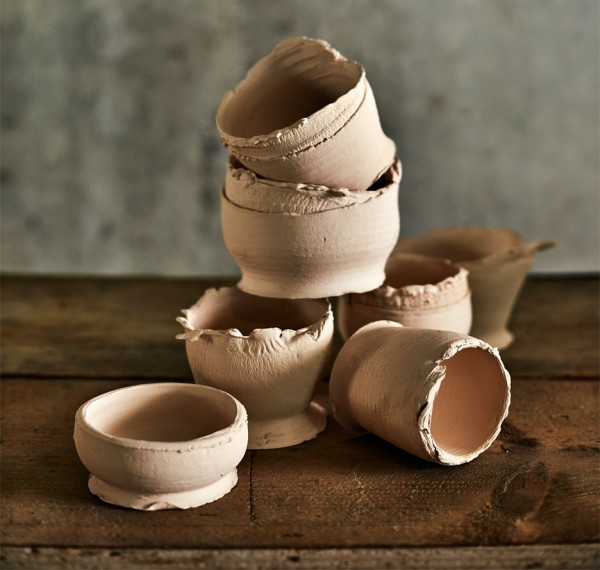
“It aims to go beyond the practical aspect of technological unemployment and to ask what happens if a robot takes on the role of an artisan,” added Nordmoen.
Currently the designer is seeking collaborators with experience in machine learning and robotics to further develop the potential of the Humanmade system.
Nordmoen created the robot as part of the Material Futures MA and showed it at Central Saint Martins‘ end-of-year show. Also included in the exhibition was Lesley Ann-Daly’s set of implants that let wearers monitor their health using sound and Giulia Tomasello’s home-grown sanitary pad kit.
Read more
Recommended stories
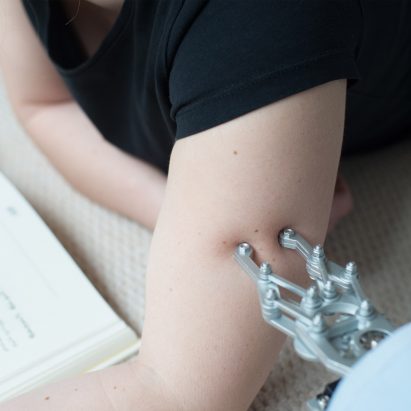
Central Saint Martins graduate creates misbehaving robots designed purely to annoy you
Robot-made tables and vases feature surface textures created using algorithms
Home designed by humanoid robot goes on display in Denmark
Paraphernalia exhibit explores “objects that shape us” in New York
Five robots putting the tech in Carlo Ratti’s architecture biennale

“Relying on a machine cuts you off from the ability to think intuitively” says Anna Liu
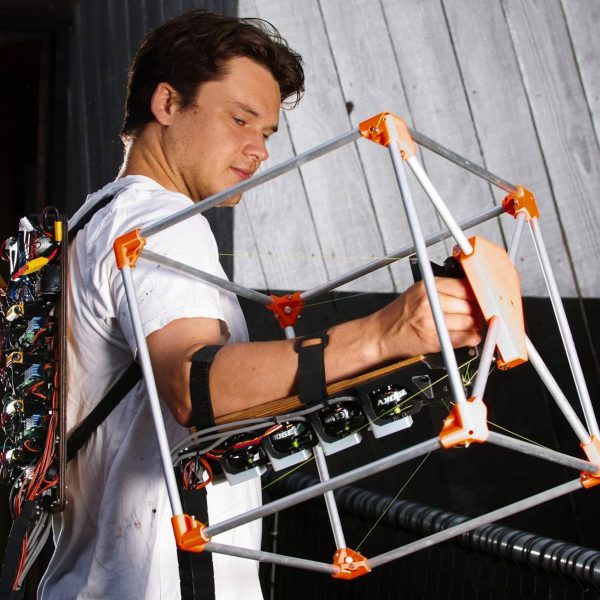
British student’s wearable CNC machine gives makers “superhuman” abilities