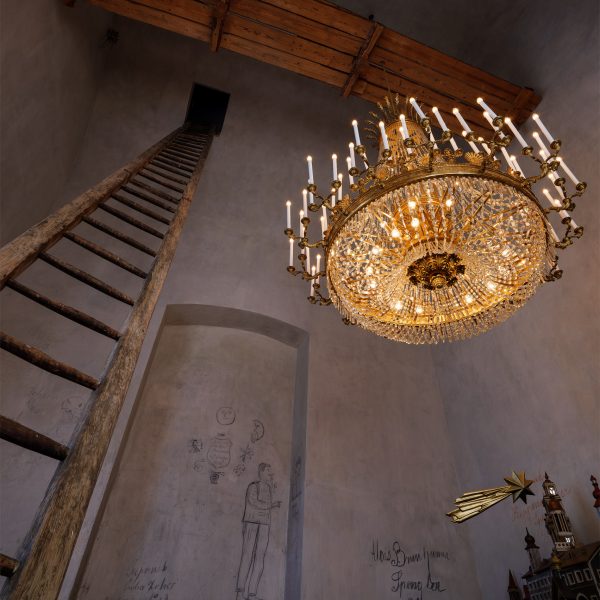
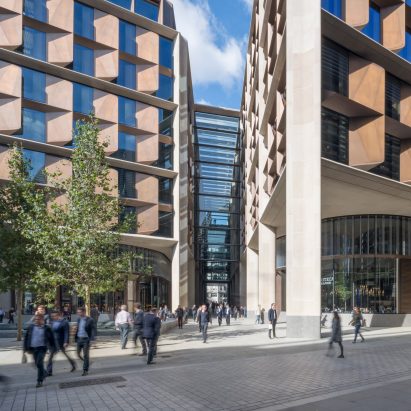
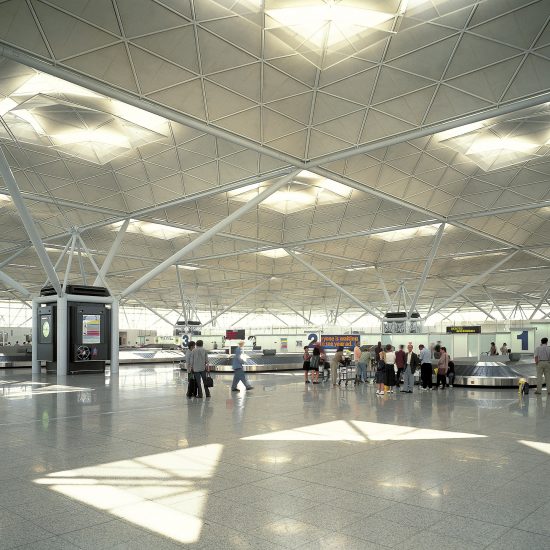
"Like fast food and fast fashion, fast architecture is inevitably less fulfilling"
People have long searched for ways to reduce the time it takes to construct buildings but instead we should be trying to slow architecture down, writes Phineas Harper. More about "Like fast food and fast fashion, fast architecture is inevitably less fulfilling"
"Glastonbury is not an escape from the real world but a snapshot of what is to come"
Creeping security infrastructure at Glastonbury takes the coercive tactics shaping Britain's streets to their next logical step, writes Phineas Harper. More about "Glastonbury is not an escape from the real world but a snapshot of what is to come"
"The role of smartphones in contemporary life feels increasingly stupid"
Smartphone design has been getting worse and worse while the industry itself has become an environmental and humanitarian nightmare, writes Phineas Harper. More about "The role of smartphones in contemporary life feels increasingly stupid"
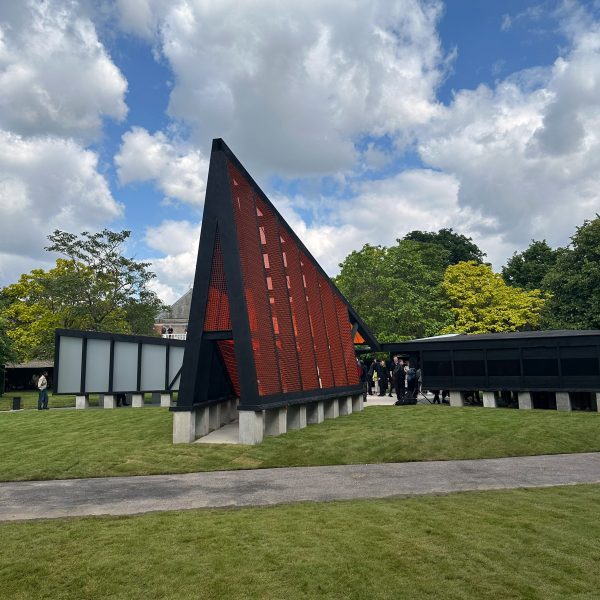
"When was the last time the Serpentine delivered a banger?"
London's annual Serpentine Pavilion should abandon its commitment to giving overseas architects their first English commission and instead prioritise experimental, purposeful architecture, writes Phineas Harper. More about "When was the last time the Serpentine delivered a banger?"
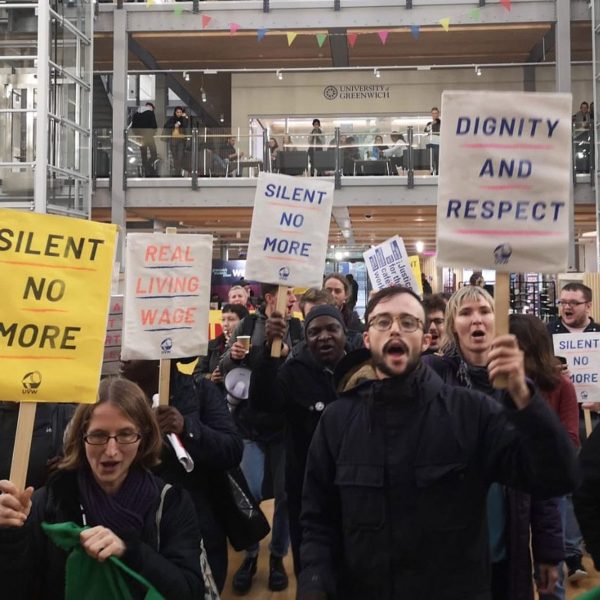
"Why do so many architects think they are more privileged than they really are?"
Architects should finally acknowledge that the profession is no longer a guaranteed route to prosperity and unionise, writes Phineas Harper. More about "Why do so many architects think they are more privileged than they really are?"
"Britain's architects should refuse to let moralising snobbery define their approach to laundry"
Architects need to rethink their part in Britain's dysfunctional relationship with laundry, writes Phineas Harper. More about "Britain's architects should refuse to let moralising snobbery define their approach to laundry"
"Cities should not just build green transport but actively dismantle car infrastructure"
Instead of desperately trying to reduce road congestion in the short term, politicians should be using traffic as a tool for making urban transport more sustainable, writes Phineas Harper. More about "Cities should not just build green transport but actively dismantle car infrastructure"
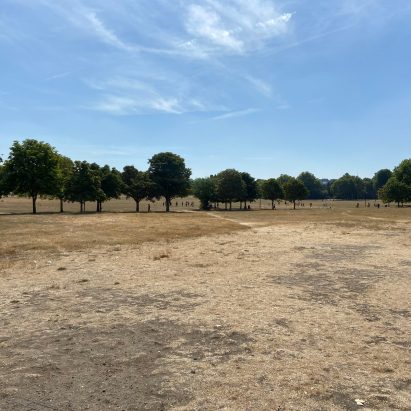
"Grassy parks are no longer viable in the face of global heating"
In the face of climate change, Britain's lawned parks should be replaced with urban forests to help control city temperatures and keep green spaces green during hot summers, writes Phineas Harper. More about "Grassy parks are no longer viable in the face of global heating"
"There are far more radical forms of digital art than the cultural dead end of NFTs"
With a focus entirely on commercialism, NFTs are the most boring form of digital art being developed, writes Phineas Harper. More about "There are far more radical forms of digital art than the cultural dead end of NFTs"
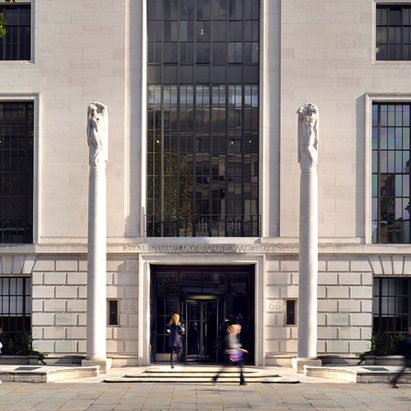
"RIBA upgrading Portland Place is an expensive solution to the wrong problem"
Rather than spending £20 million to refurbish its headquarters, RIBA should make its spaces freely available for others to host engaging architectural programmes, says Phineas Harper. More about "RIBA upgrading Portland Place is an expensive solution to the wrong problem"
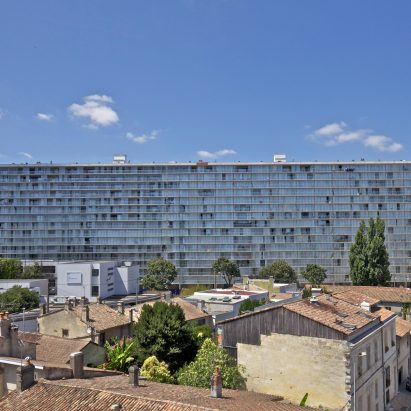
"Awarding the Pritzker to a team synonymous with refurbs marks an important shift in architectural values"
Lacaton & Vassal's Pritzker Architecture Prize win reinforces the need to focus much more on our city's existing buildings, says Phineas Harper. More about "Awarding the Pritzker to a team synonymous with refurbs marks an important shift in architectural values"
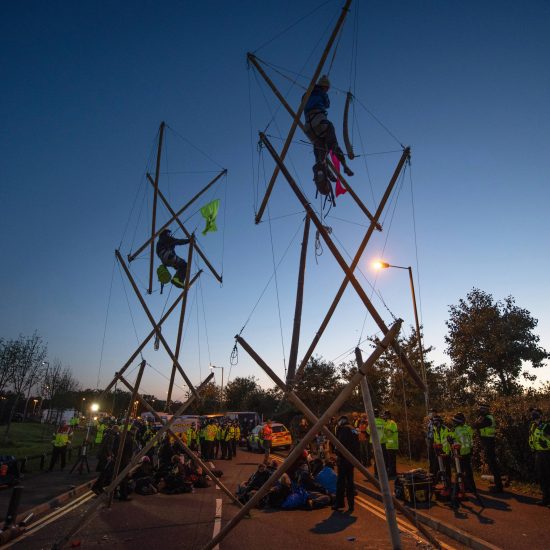
"Extinction Rebellion's tensegrity structures have rekindled the spirit of early high-tech"
Extinction Rebellion's bamboo protest towers that blocked national newspaper printing presses recall the sustainable motives of high-tech architecture and should win the Stirling Prize, argues Phineas Harper. More about "Extinction Rebellion's tensegrity structures have rekindled the spirit of early high-tech"
"Traditional architecture has frequently been leveraged to support violent political agendas"
A draft order by Donald Trump to make all new federal buildings classical is the latest example of how traditional architecture is used to disguise racist agendas, says Phineas Harper. More about "Traditional architecture has frequently been leveraged to support violent political agendas"
"Whoever wins the general election will bring radical change for better, or worse"
The leading parties' manifestos contain bold pledges that will change Britain's cities for generations, says Phineas Harper. He takes a look at the architecture and housing policies ahead of the UK's general election. More about "Whoever wins the general election will bring radical change for better, or worse"
"High-tech is ever edging away from its ecological and humanistic roots"
High-tech architecture has strayed far from its environmentally conscientious beginnings, but could rise again if it returns to them, writes Phineas Harper. More about "High-tech is ever edging away from its ecological and humanistic roots"
"Our dependency on growth, like on concrete, must be abolished"
The pursuit of infinite economic growth is driving climate breakdown and producing ecologically toxic architecture, argues Phineas Harper, one of the chief curators of the Oslo Architecture Triennale. More about "Our dependency on growth, like on concrete, must be abolished"
"We're seeing an unprecedented mobilisation of architects in the fight against climate change"
With architects changing their ways in response to global warming, Phineas Harper asks: what does radical architecture look like in the era of climate change? More about "We're seeing an unprecedented mobilisation of architects in the fight against climate change"
"The vision of the home as a tranquil respite from labour is a patriarchal fantasy"
Is the nuclear family home an architectural tool of repression and social control? asks Phineas Harper. More about "The vision of the home as a tranquil respite from labour is a patriarchal fantasy"
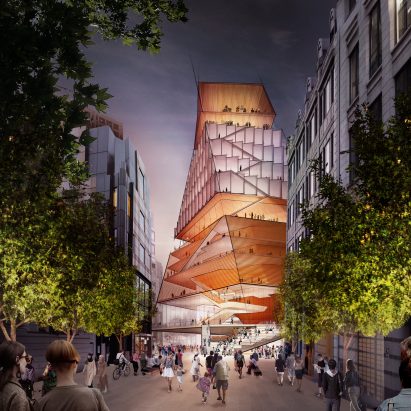
"The arms race for cultural dominion has reached new levels of absurdity"
The decision to build the London Centre for Music less than 300 metres away from an existing concert hall is the latest unnecessary example of global high-culture one-upmanship, says Phineas Harper. More about "The arms race for cultural dominion has reached new levels of absurdity"
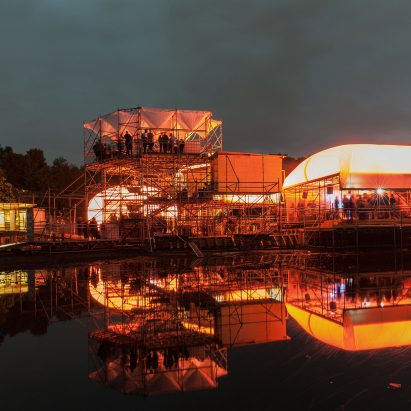
Ten architecture breakthroughs you might have missed in 2018
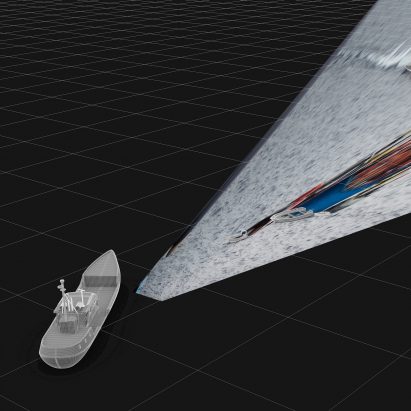
From a floating university to a network of black female architects, Phineas Harper offers an alternative guide to the year's most important happenings in architecture. More about Ten architecture breakthroughs you might have missed in 2018