Instagram redesigns its wordmark for first time in a decade
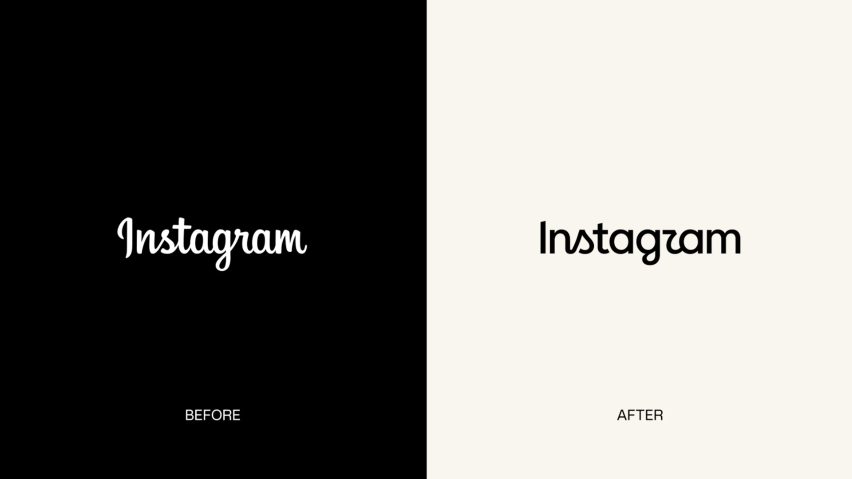
Social media platform Instagram has updated its brand identity with elements such as a refreshed, "bolder and simpler" wordmark and updated typographic elements across the platform.
The update was announced this week and is rolling out globally through 2026 and beyond. Designed in-house, the refresh introduces "something to carry us into the future," said technology company Meta, which owns the platform.
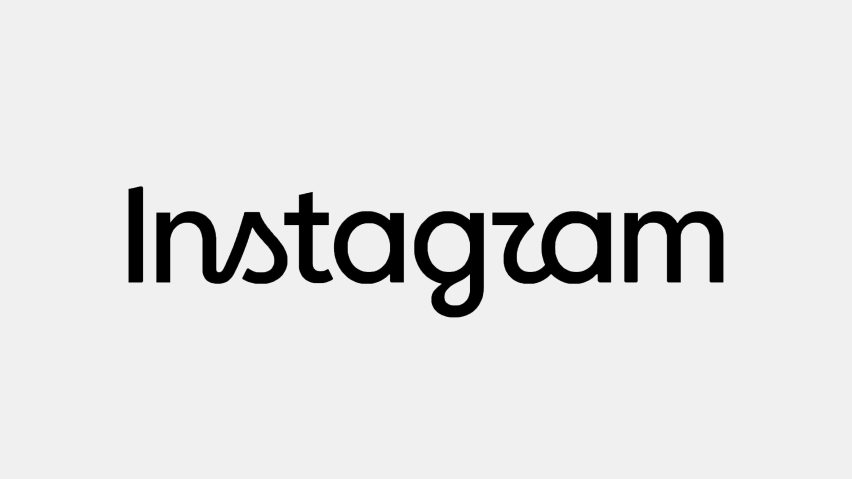
The most notable change is the Instagram wordmark, which has remained the same since 2016. It maintains its cursive, with the serifs have been flattened and detached from the neighbouring letter.
The team said the wordmark pays homage to crafted script to reflect the creativity of Instagram.
"Script reflects individuality, so referencing that felt right," said Instagram director of product design Jasmine Probst.
"The new wordmark is bolder and simpler, with touches of unexpectedness. It cues individual expression, a personal voice, both of which have always been core to Instagram".
Other updates include new typography rolled out across the app, with the platform's gradient colours integrated in "subtle" ways. Motion, layout and UI will also be updated as part of the brand refresh.
In a post from the Instagram Design account, the team said it explored "hundreds of directions" before arriving at something "fresh and simple".
Instagram head Adam Mosseri said it was "time for a refresh" in another recent post on the platform.
"The refreshed brand system puts our community's creativity and self-expression front and center," said Meta director of brand design May Hartono.
"It's designed to spark courageous action and give people the confidence to create and show up as themselves, freely and fully."
Other major technology companies have rebranded in recent years, including Amazon and Google.
It follows a more subtle approach to rebranding seen across these mega corporations, where design changes are almost imperceptible. Dezeen recently rounded up five such projects.
Other companies have taken a bolder approach, such as the American eatery Cracker Barrel, which was met with an explosion of internet backlash.
The images are courtesy of Meta