
"It's time to abolish the architecture critic"
Newspapers' largely white, male architecture critics are a reflection of the structural inequalities of the built environment and are not equipped to deal with our current time of crisis, says Mimi Zeiger. More about "It's time to abolish the architecture critic"

"The cruelness of demolishing LACMA when Angelenos are unable to bear witness should not be ignored"
With the demolition of Los Angeles County Museum of Art underway for Peter Zumthor's redesign, Mimi Zeiger is concerned about what will be left for the city and its residents following coronavirus lockdown. More about "The cruelness of demolishing LACMA when Angelenos are unable to bear witness should not be ignored"

"As dense metropolises become overwhelmed, the countryside is seen as an escape hatch"
Coronavirus has changed the relationship between cities and their rural hinterlands, writes Mimi Zeiger, casting new light on the essays accompanying Rem Koolhaas' now-shuttered Countryside exhibition. More about "As dense metropolises become overwhelmed, the countryside is seen as an escape hatch"
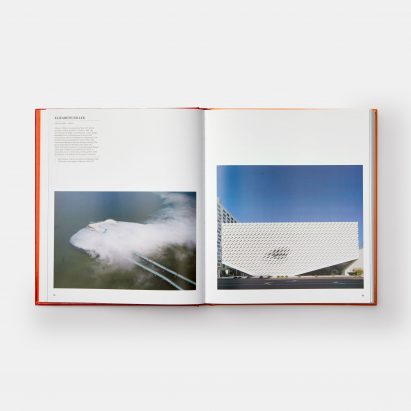
Breaking Ground book on buildings by women "is both needed and problematic"
Jane Hall's Breaking Ground aims to rectify gender inequality by singling out female architects from their male counterparts. But, ahead of International Women's Day this year, Mimi Zeiger argues this corrective project could do more harm than good. More about Breaking Ground book on buildings by women "is both needed and problematic"

"We must recognise the workers who make museum-going a smooth architectural experience"
Following protests about working conditions at well-known museums – like the Marciano Art Foundation and MoMA – Mimi Zeiger says it's time to address architecture's relationship to unfair labour practices. More about "We must recognise the workers who make museum-going a smooth architectural experience"
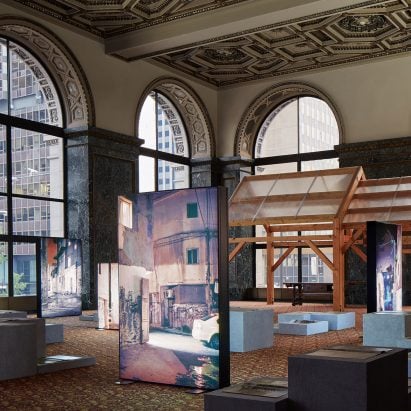
"What are we left with when architecture is stripped of its spatiality, materiality and aesthetics?"
The third Chicago Architecture Biennial draws attention to the biggest issues facing today's society, but is short on architects wrangling with them, says Mimi Zeiger. More about "What are we left with when architecture is stripped of its spatiality, materiality and aesthetics?"
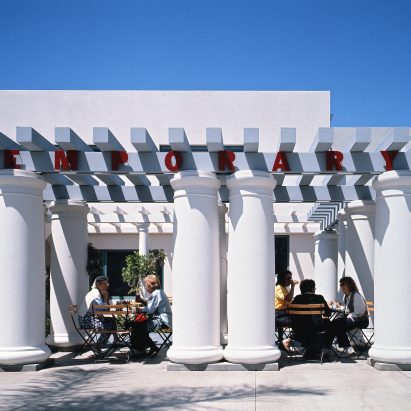
"Venturi Scott Brown's MCASD addition should be saved because it is by Venturi Scott Brown"
Despite changing needs and tastes, Venturi Scott Brown's threatened extension to the Museum of Contemporary Art San Diego warrants preservation simply because their names are attached to it, says Mimi Zeiger. More about "Venturi Scott Brown's MCASD addition should be saved because it is by Venturi Scott Brown"

"Architecture as intellectual inquiry needs to take more risks"
The second Chicago Architecture Biennial tackles the broad and tempestuous topic of history, but plays it too safe, says Mimi Zeiger in this Opinion column. More about "Architecture as intellectual inquiry needs to take more risks"

"Design strategies robust enough to resist this new political climate have yet to emerge"
US architects disillusioned by the AIA's post-election sentiment should use critical speculation to help reimagine the country's built environment and remain hopeful, suggests Mimi Zeiger in this Opinion column. More about "Design strategies robust enough to resist this new political climate have yet to emerge"
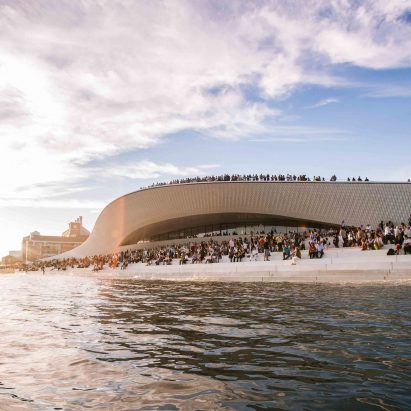
"Building cannot be separated from the economics that drive construction"
Both Amanda Levete's MAAT museum and the Lisbon Architecture Triennale opened in the Portuguese capital earlier this month. Together they prove that architecture is physically shaped by its fiscal situation, says Mimi Zeiger in this week's Opinion. More about "Building cannot be separated from the economics that drive construction"
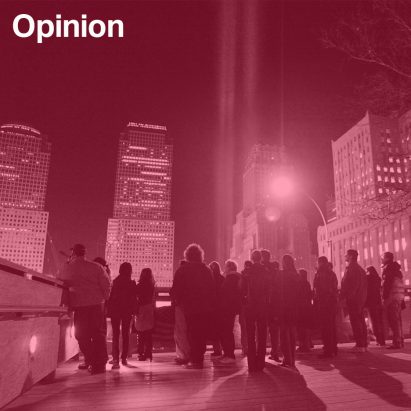
"Architecture can feel like a paltry gesture in times like ours"
Opinion: meaningful architectural reactions to crises may take time, but quick temporary structures can be just as effective, and both are far preferable to not responding at all says Mimi Zeiger. More about "Architecture can feel like a paltry gesture in times like ours"
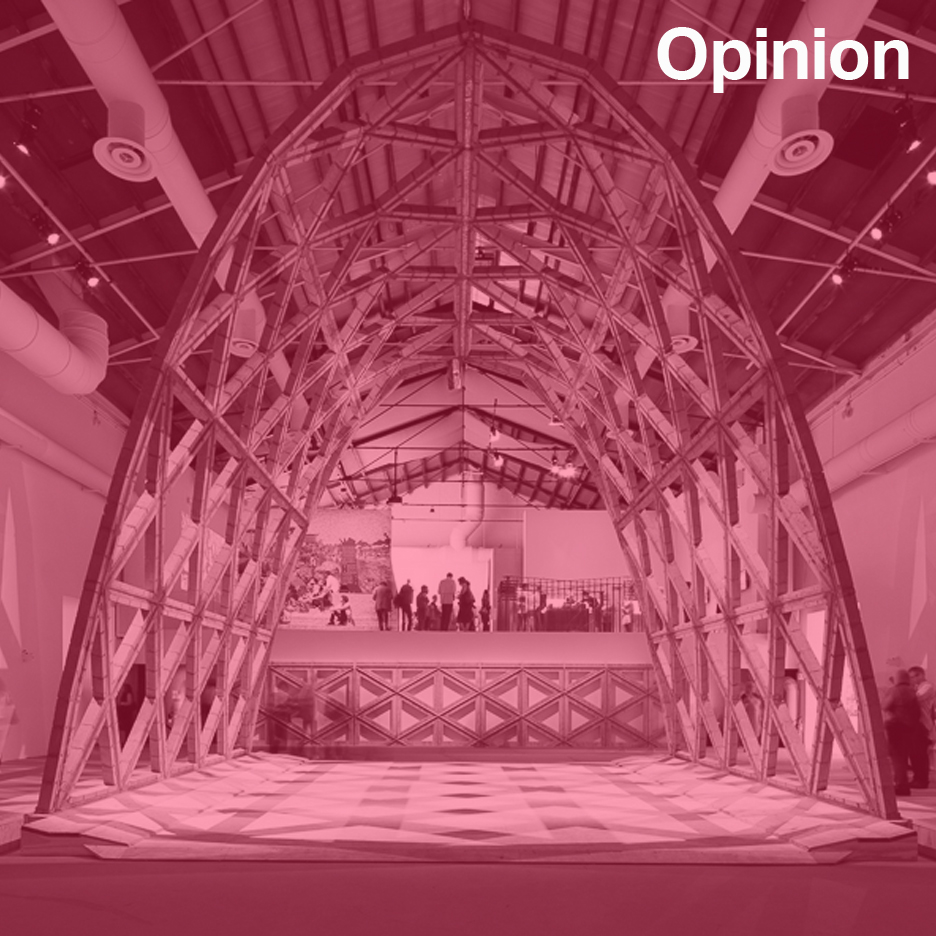
"Is architecture really as guileless as Aravena's Biennale suggests?"
Venice Architecture Biennale 2016: Alejandro Aravena's Reporting from the Front-themed Venice Biennale is filled with good intentions, but can architects ever really be honest about architecture, asks Mimi Zeiger. More about "Is architecture really as guileless as Aravena's Biennale suggests?"

"Creative office space is the dominant aesthetic of our time"
Opinion: the conversion of old industrial buildings into "creative office space" has proven so successful in LA, even galleries like Hauser Wirth & Schimmel are getting in on the act, says Mimi Zeiger. More about "Creative office space is the dominant aesthetic of our time"
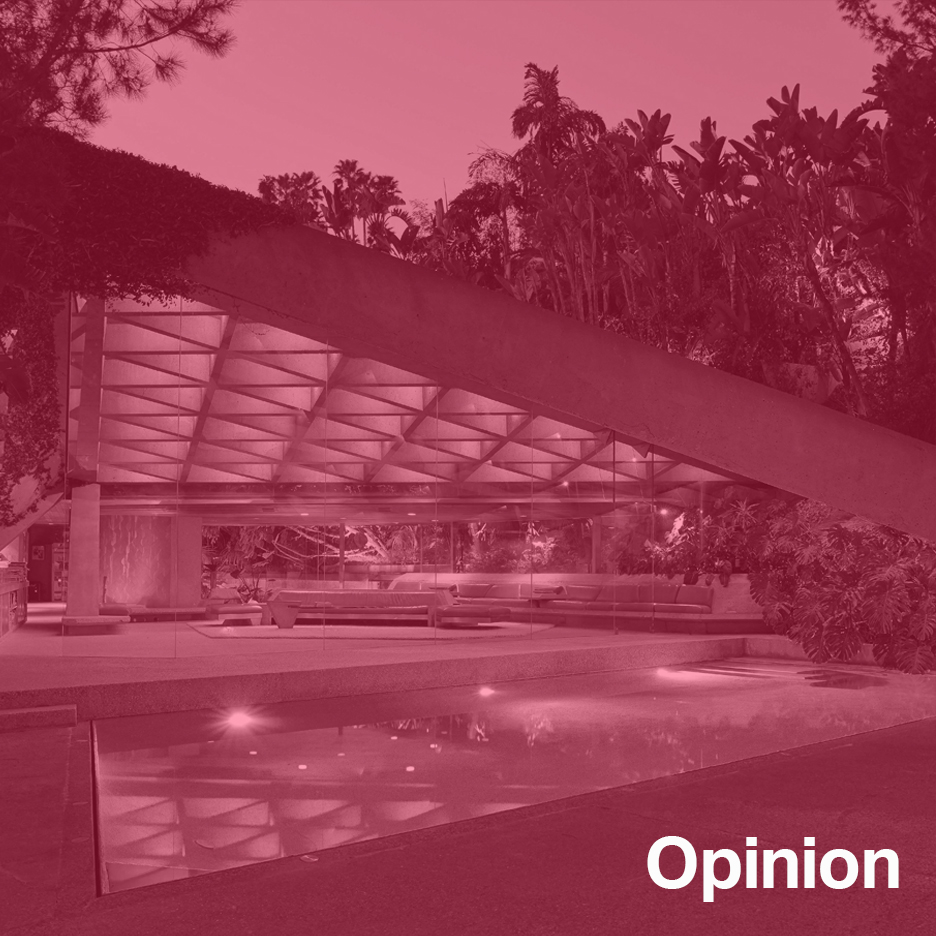
"What to do with old houses?"
Opinion: LACMA's newly inherited Sheats-Goldstein House could place classic mid-century houses at the heart of Los Angeles' cultural revival, says Mimi Zeiger. More about "What to do with old houses?"

"The Petersen isn't a good building, it's a western-town front posing as architecture"
Opinion: KPF's attempt to recreate the allure of a red Porsche on the facade of Los Angeles automotive museum has left us with an eyesore, says Mimi Zeiger. But can it teach us anything about our architectural now? More about "The Petersen isn't a good building, it's a western-town front posing as architecture"
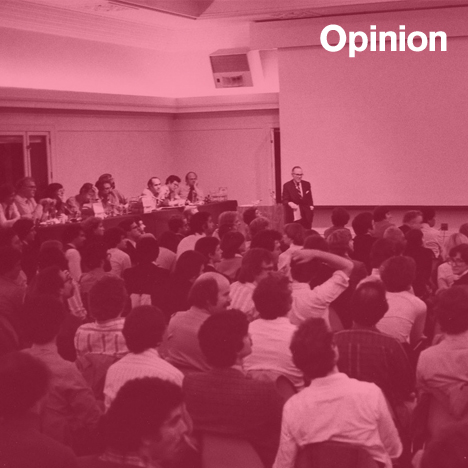
"Architecture is finally moving beyond a homogeneous status quo"
Opinion: the Chicago Architecture Biennial's diverse range of participants and mediums offers hope for the future of the discipline, despite protestations from self-appointed "gatekeepers" of the profession like Patrik Schumacher, says Mimi Zeiger. More about "Architecture is finally moving beyond a homogeneous status quo"
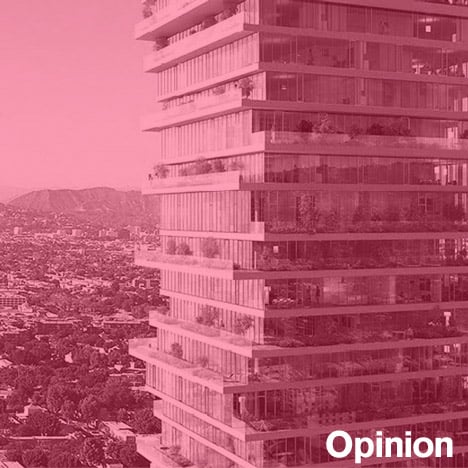
"These initiatives represent an opportunistic desire to play with extreme conditions"
Opinion: architects' proposals for pre-empting and adapting to the natural crises brought about by climate change aren't necessarily as superficial and politically correct as they may seem, says Mimi Zeiger. More about "These initiatives represent an opportunistic desire to play with extreme conditions"
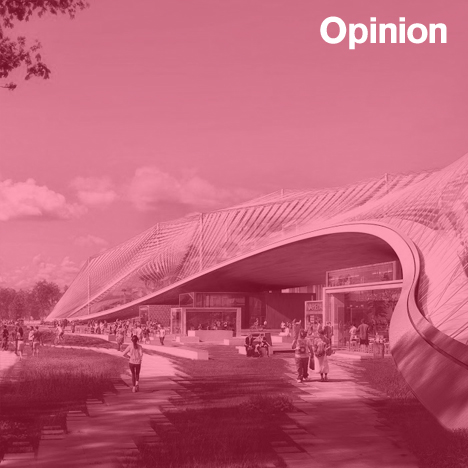
"The insidious return of hippie architecture"
Opinion: Google's techno-utopian campus design by BIG and Heatherwick is part of a new wave of interest in surprisingly self-centred "hippie architecture", says Mimi Zeiger. More about "The insidious return of hippie architecture"

"Biennials and design fairs function much like film festivals"
Opinion: the architecture and film industries have quite a few things in common – including expensive projects and the lionising of a certain kind of success. But architects can still learn a lot from the approach of independent film makers, says Mimi Zeiger. More about "Biennials and design fairs function much like film festivals"
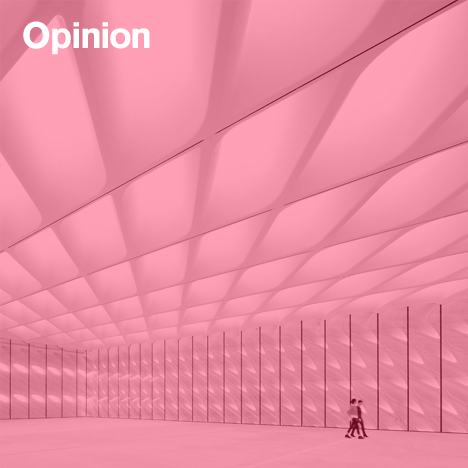
"An object lesson for designers caught on the hamster wheel of producing interestingness"
Opinion: Diller, Scofidio + Renfro's The Broad museum in Los Angeles is an elegant exercise in mundanity, says Mimi Zeiger. More about "An object lesson for designers caught on the hamster wheel of producing interestingness"