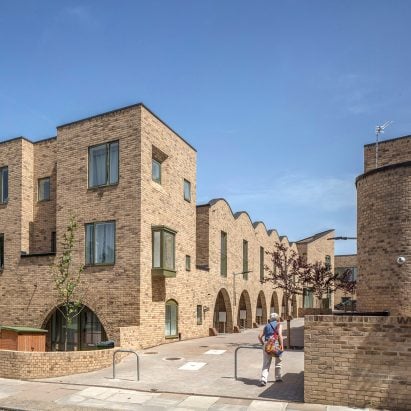
"Social housing has become a matter of enclaves and micro-sites"
Peter Barber's architecture proves that providing social housing at scale without making the design mistakes of the past is eminently possible, writes Owen Hatherley as part of our Social Housing Revival series. More about "Social housing has become a matter of enclaves and micro-sites"
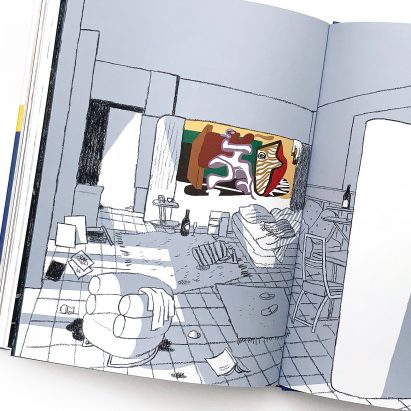
"Some comics have been more nuanced about modern architecture than a lot of the published histories"
Two new graphic novels, which a Le Corbusier figure makes an appearance in, depict the uncomfortable side of modern architecture, writes Owen Hatherley. More about "Some comics have been more nuanced about modern architecture than a lot of the published histories"
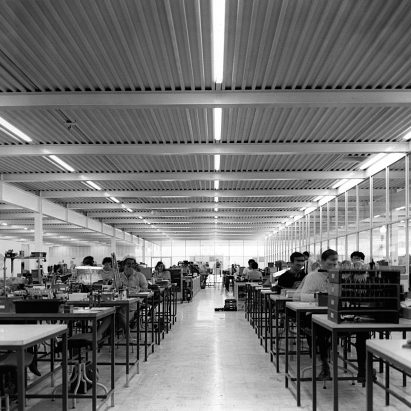
"High-tech now looks very much like another post-imperial delusion"
High-tech architecture aligned with the revival of Victorian values in the 1980s, but did not end up producing the factories of a new period of British creativity, says Owen Hatherley. More about "High-tech now looks very much like another post-imperial delusion"
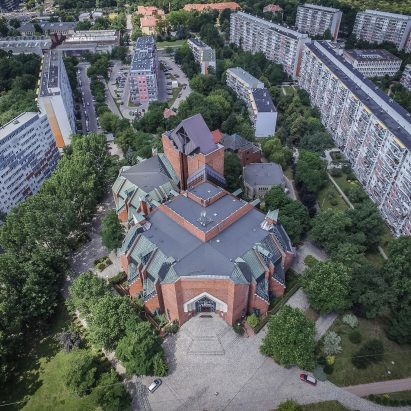
"The Law and Justice party faces re-election in Poland and the churches have been their foremost propagandists"
As Poland goes to the polls on Sunday, the churches that were built in the 1970s and 1980s as a sanctuary against an oppressive state are now instruments in a political debate, writes Owen Hatherley. More about "The Law and Justice party faces re-election in Poland and the churches have been their foremost propagandists"
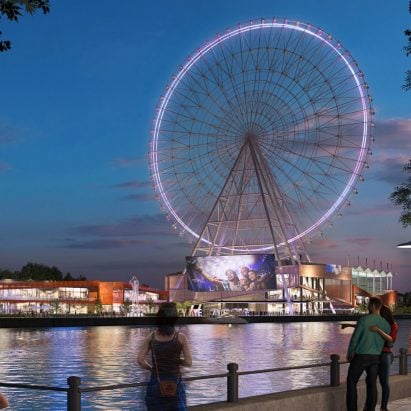
"The basic foolishness is compounded by a screamingly patronising name – Whey Aye"
As Europe's largest Ferris wheel is set to be built in Newcastle, Owen Hatherley questions why the giant wheels are still being built in cities across the world.
More about "The basic foolishness is compounded by a screamingly patronising name – Whey Aye"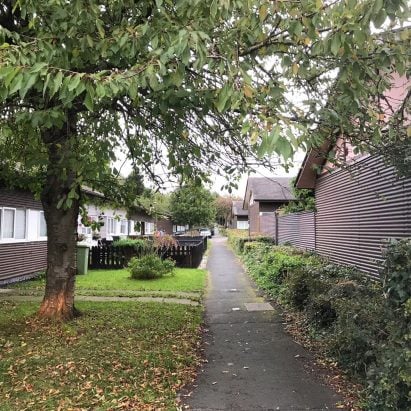
"What could Foster bring to social housing today?"
The fact that Norman Foster wants to start building social housing again after 40 years is a sign that a lot of it may be about to be built, says Owen Hatherley. More about "What could Foster bring to social housing today?"
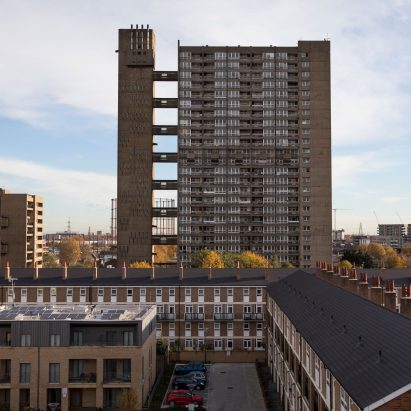
"We couldn't stop Balfron Tower from being privatised. In fact we probably helped it along"
We're all to blame for the gentrification of Ernö Goldfinger's brutalist Balfron Tower, says Owen Hatherley, so stop getting angry at the architects. More about "We couldn't stop Balfron Tower from being privatised. In fact we probably helped it along"
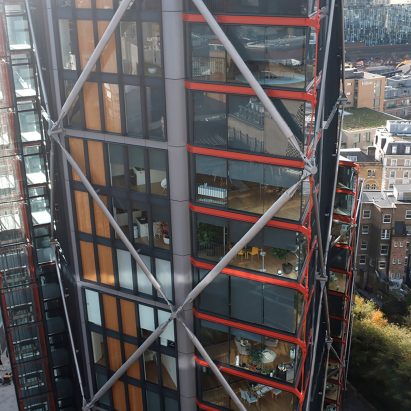
"We should applaud Tate Modern's victory over the residents of Neo Bankside"
If the residents of Neo Bankside had won their legal battle against Tate Modern's rooftop viewing platform, it would have set a dangerous precedent for London, says Owen Hatherley. More about "We should applaud Tate Modern's victory over the residents of Neo Bankside"
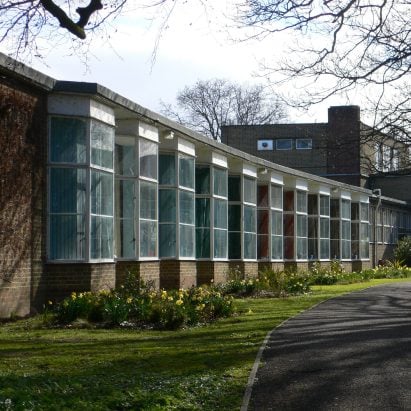
"Bauhaus just wasn't British"
There's a reason why Bauhaus architects and designers struggled to forge careers in the UK, says Owen Hatherley in the latest instalment of our Bauhaus 100 series. More about "Bauhaus just wasn't British"
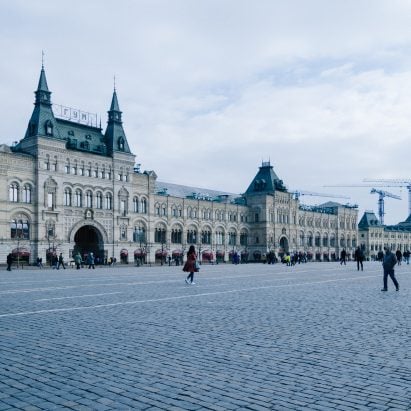
"Dictatorship in the 21st century looks like London or New York"
Moscow shows us that cities created by dictatorships can also have beautiful buildings and welcoming public spaces, says Owen Hatherley. More about "Dictatorship in the 21st century looks like London or New York"

"To change Sheffield for the better, the answer might lie in anger and civic action"
Sheffield is one of the UK's most important cities for modern architecture, says Owen Hatherley, and we need to take action to stop it being destroyed. More about "To change Sheffield for the better, the answer might lie in anger and civic action"
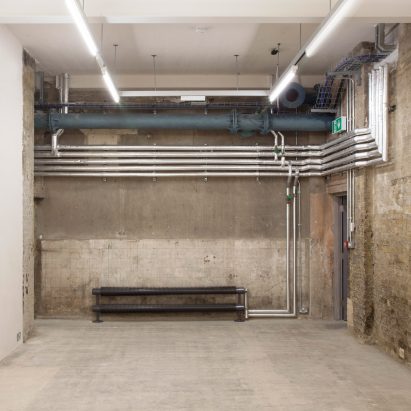
"Goldsmiths CCA is an art gallery not a squat, and it is unseemly for it to pretend to be one"
Assemble's approach to transforming a public bathhouse into an art centre is refreshing, says Owen Hatherley, but the results feels a little too much like a celebration of poverty. More about "Goldsmiths CCA is an art gallery not a squat, and it is unseemly for it to pretend to be one"
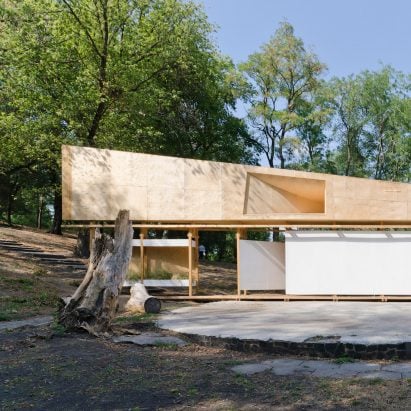
"The future of Ukrainian architecture could be collective, lightweight and public"
Stage, the crowdfunded wooden pavilion that won a special mention in the European Prize for Urban Public Space, is paving the way for a new approach to architecture in Ukraine, says Owen Hatherley. More about "The future of Ukrainian architecture could be collective, lightweight and public"
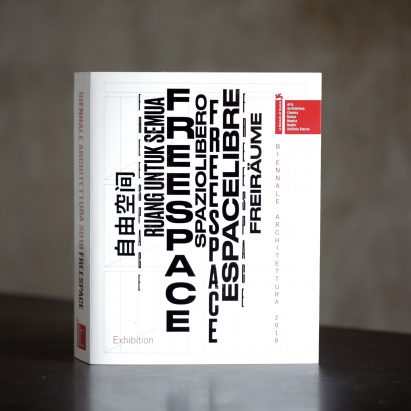
"Designing and writing about a building are very different processes of thought"
The Venice Biennale manifesto of Grafton Architects is proof that vapid commentary can diminish great architecture, says Owen Hatherley. More about "Designing and writing about a building are very different processes of thought"

"Edward Burtynsky is one of the most interesting photographers of buildings"
The abstract landscapes depicted in the work of photographer Edward Burtynsky offer a frightening look at the extent of human impact on Earth, says Owen Hatherley. More about "Edward Burtynsky is one of the most interesting photographers of buildings"
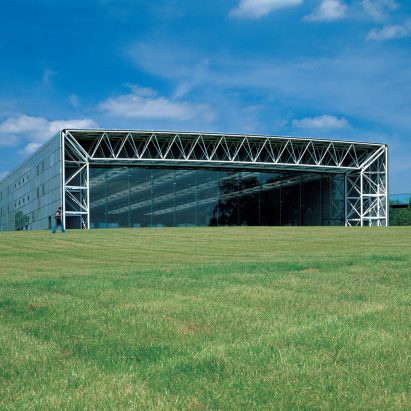
"High-tech never went away, though many wish it had"
High-tech architecture is not on the verge of a comeback. It actually never went away, says Owen Hatherley. More about "High-tech never went away, though many wish it had"
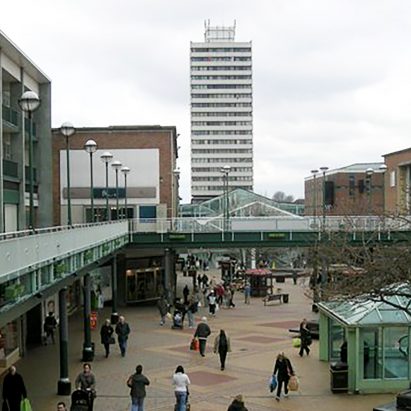
"These are not the moves of a city that is proud of its architecture"
With Coventry set to be UK City of Culture in 2021, the destruction of the city's post-war architecture needs to stop, says Owen Hatherley. More about "These are not the moves of a city that is proud of its architecture"
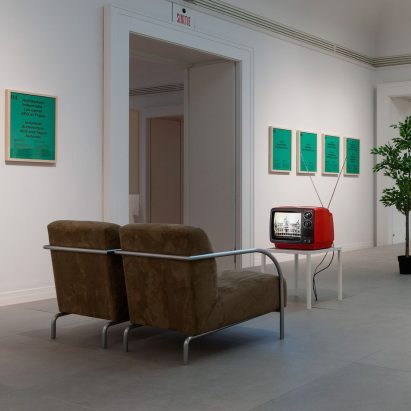
"Can modernism be explained without an architectural education?"
In the 1970s, the Open University offered a course on the history of architecture and design. Architects can learn a lot from it, says Owen Hatherley. More about "Can modernism be explained without an architectural education?"
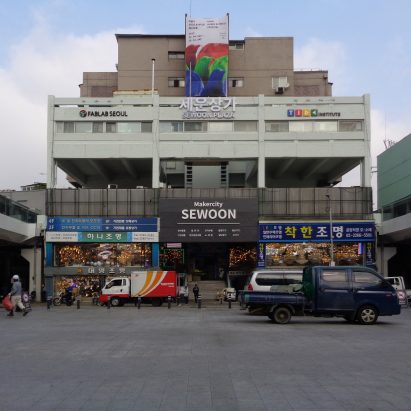
"What is happening at Sewoon Sangga is, quietly, quite extraordinary"
A brutalist megastructure in Seoul is undergoing a major revamp. The result may not be photogenic, says Owen Hatherley, but it offers a promising model for regeneration without gentrification. More about "What is happening at Sewoon Sangga is, quietly, quite extraordinary"
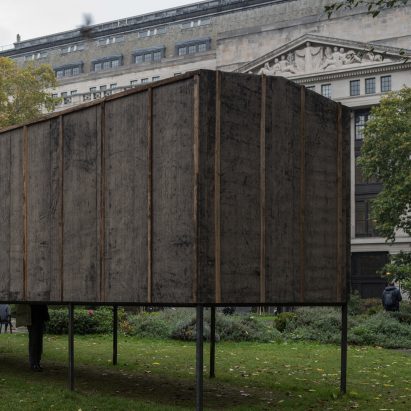
"The only living Russian architect well-known abroad is a former fantasist"
In the centenary of the Russian Revolution, Alexander Brodsky was the only national architect to offer a response. That says something about Russian architectural culture, suggests Owen Hatherley. More about "The only living Russian architect well-known abroad is a former fantasist"